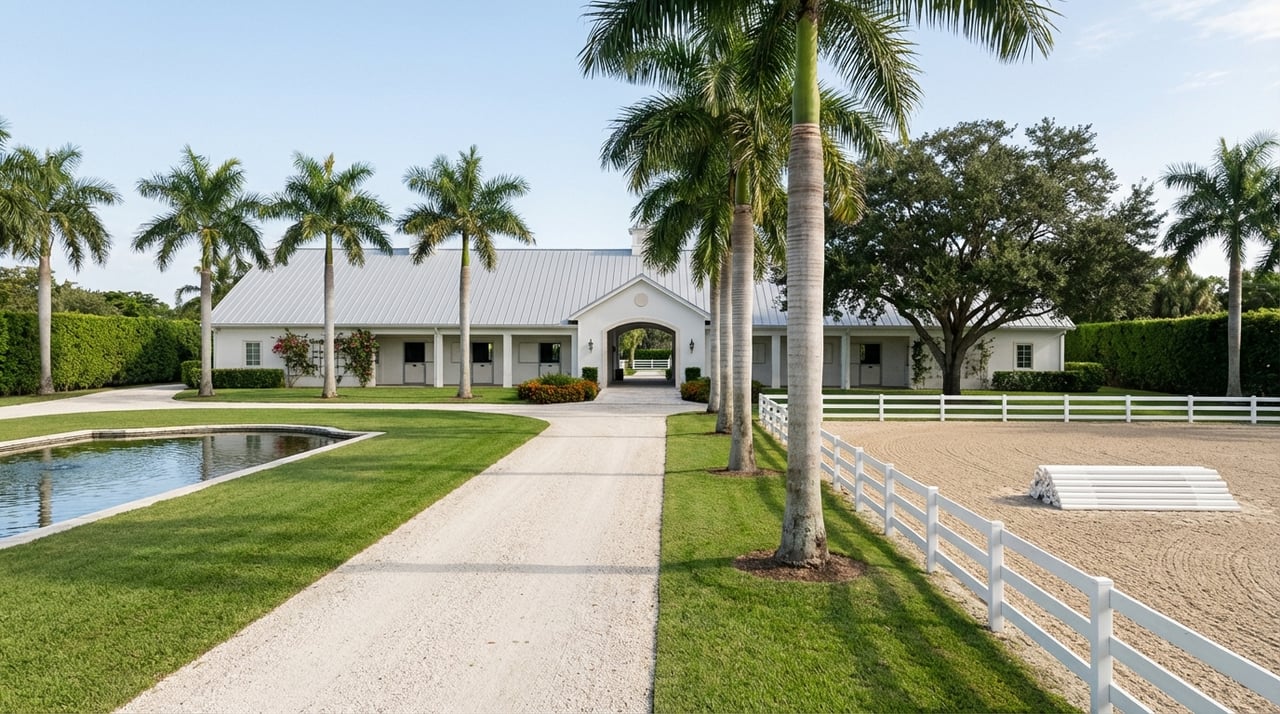
Thinking about trading snow for saddle time this winter? In Wellington, the season runs on hoofbeats, early barn mornings, and electric Saturday nights under the lights. Whether you ride, own, or you’re simply curious, understanding the rhythm of the winter circuit helps you make the most of every week. Here’s your inside view of the calendar, daily logistics, social highlights, and practical tips to plug in with ease. Let’s dive in.
The winter circuit at a glance
Wellington’s winter season centers on the Winter Equestrian Festival (WEF), a 13‑week hunter and jumper circuit hosted at Wellington International. The 2026 schedule spans late December or early January through late March, with each week operating as its own show. You can scan weekly themes and featured classes on the published calendar to map your ideal time in town. For timing and week count, review the current year’s schedule, like the 2026 overview on the Wellington Edit’s event page for WEF.
Running in parallel, the Adequan Global Dressage Festival (AGDF) brings international and national dressage to Equestrian Village throughout the same winter window. The popular Friday Night Stars freestyles offer dressage under the lights in a lively evening format that is both spectator‑friendly and inspiring for riders. If you are new to dressage, it is an easy and fun way to experience top combinations in a musical showcase.
A third pillar completes the picture: high‑goal polo at the USPA National Polo Center (NPC). The winter calendar features the Gauntlet of Polo series, including the C.V. Whitney Cup, the USPA Gold Cup, and the U.S. Open. Polo Sundays are a distinct social track that blends sport, tailgates, and fieldside hospitality.
- Learn more about the 2026 WEF dates and week count on the Wellington Edit: 2026 Winter Equestrian Festival calendar.
- Explore AGDF’s evening format in the official program archive: AGDF Friday Night Stars overview.
- See NPC’s seasonal highlights: USPA press release on the 2026 polo season.
Week‑to‑week rhythm
Most show weeks run Wednesday through Sunday, with classes spread across multiple arenas and training rings. Big spectator nights concentrate on Friday for dressage and Saturday for the jumper Grand Prix. Saturday evenings, often called Saturday Night Lights, bring top sport, live music, family activities, and a festival atmosphere in the International Arena.
Plan to arrive early on Saturdays for parking, food options, and seats with good sightlines. Gate times and evening schedules can shift as the season progresses, so it pays to check the official spectator guidance close to your visit.
Barn life and logistics
The barn day starts before sunrise. Horses are fed and checked, then riders and grooms roll into a steady cadence of flatwork, lessons, turnout, and competition prep. Many teams split time between private farms and the showgrounds, using quick hops by truck or golf cart to stay on schedule. Mornings feel calm and focused; late afternoons bring ring traffic and the buzz of show energy.
Stabling and entries
Operational details live in the official WEF prize list, which sets current‑year entry deadlines, stall reservation policies, bedding rules, and any non‑stabling or grounds fees per horse. Historical prize lists also show how stall pricing can vary by week and whether permanent stalls are available. For example, a past published WEF prize list illustrated weekly canvas stall rates that differed across early and later weeks, and separate pricing for permanent stalls on a Tuesday to Sunday basis. Treat those figures as examples only and confirm the current year’s rates and policies before you book. You can find those specifics in the official WEF prize list.
On‑site support and services
Wellington International spans more than 100 acres with multiple competition arenas, hundreds of stalls, vendor villages, hospitality suites, and golf‑cart pathways. During season, the grounds fill with tack shops, feed providers, mobile retailers, and farrier services. For veterinary care, Palm Beach Equine Clinic maintains a strong seasonal presence on and near the showgrounds, which is a key reason many professionals base their winter operations here. For spectator logistics and hospitality details, consult the Wellington International spectator FAQ, and coordinate vet or farrier needs directly with providers like Palm Beach Equine Clinic.
Daily barn checklist
- Start early: feed, water, quick health checks, and turnout where appropriate.
- Block your ride times and schooling windows to avoid ring congestion.
- Plan short, efficient hops between farm and showgrounds; golf carts help.
- Keep stabling paperwork, wristbands, and feed/bedding orders current.
- Build in time for warm‑up and course walks before featured classes.
- Sweep your day with a horse‑by‑horse PM check and next‑day plan.
Social life and signature nights
Wellington’s nights are part sport and part spectacle. Saturday Night Lights delivers international‑level show jumping in a family‑friendly setting, complete with food vendors, retail, and music. It is festive yet focused, and arriving early sets you up for good seats and a relaxed dinner before the main class.
Across town, AGDF Friday Night Stars turns dressage into an evening out with musical freestyles and a polished hospitality feel. If you want to introduce non‑horse friends to the sport, this is a welcoming place to start.
Another highlight is the Great Charity Challenge, an annual WEF‑season team jumping event that has raised millions for Palm Beach County nonprofits. It is a clear example of how the winter circuit gives back and how seasonal residents plug into local causes.
Add Polo Sundays at NPC for a different take on Wellington’s winter lifestyle. Fieldside brunches, tailgates, and the Gauntlet of Polo schedule build a distinctive social calendar that many riders and owners enjoy alongside WEF and AGDF.
Seasonal residents and housing
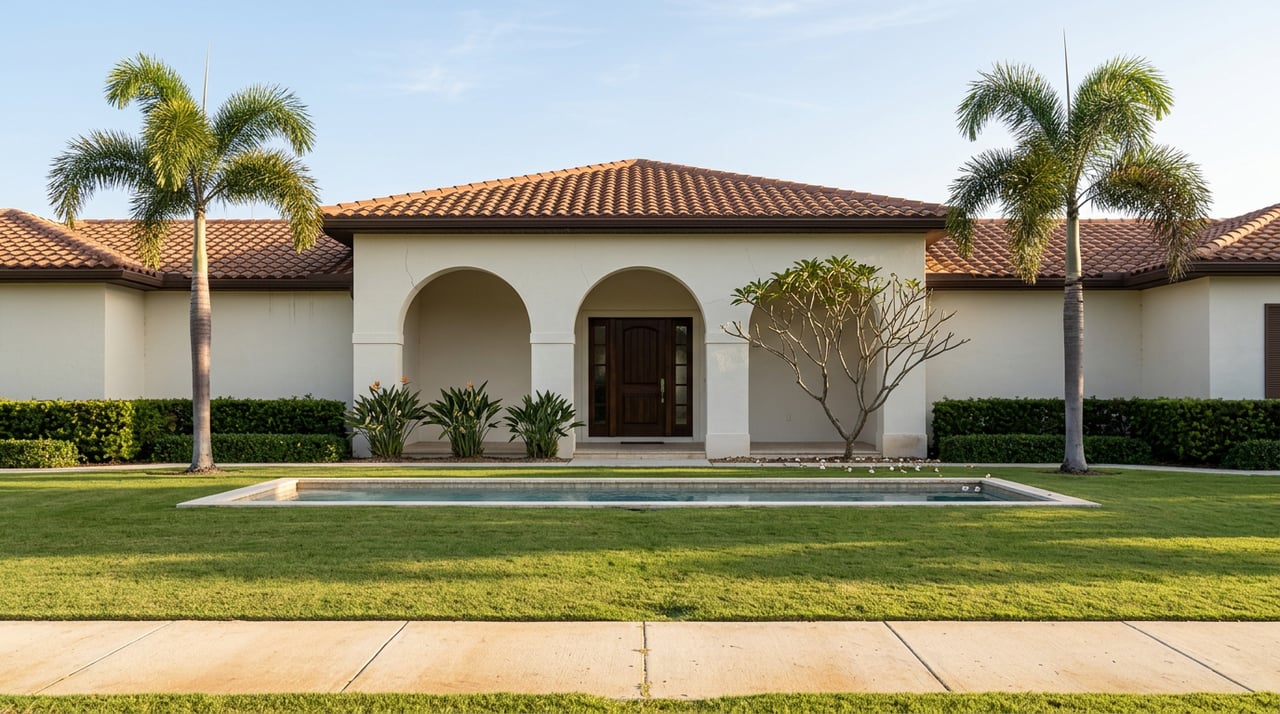
Many riders, owners, and support teams relocate to Wellington for multi‑week blocks. A Palm Beach County Sports Commission analysis reported an average competitor or team stay of about 67 days, which explains the demand for seasonal rentals, longer leases, and properties that function smoothly for an extended season. You will see a wide range of housing setups, from short‑term condos near the grounds to trainer compounds and larger equestrian estates.
That long stay also drives meaningful local impact. In a study of the 2023 season, the Palm Beach County Sports Commission reported $352 million in economic impact for the county, supporting thousands of jobs. Put simply, the winter equestrian season is a powerful engine for Palm Beach County.
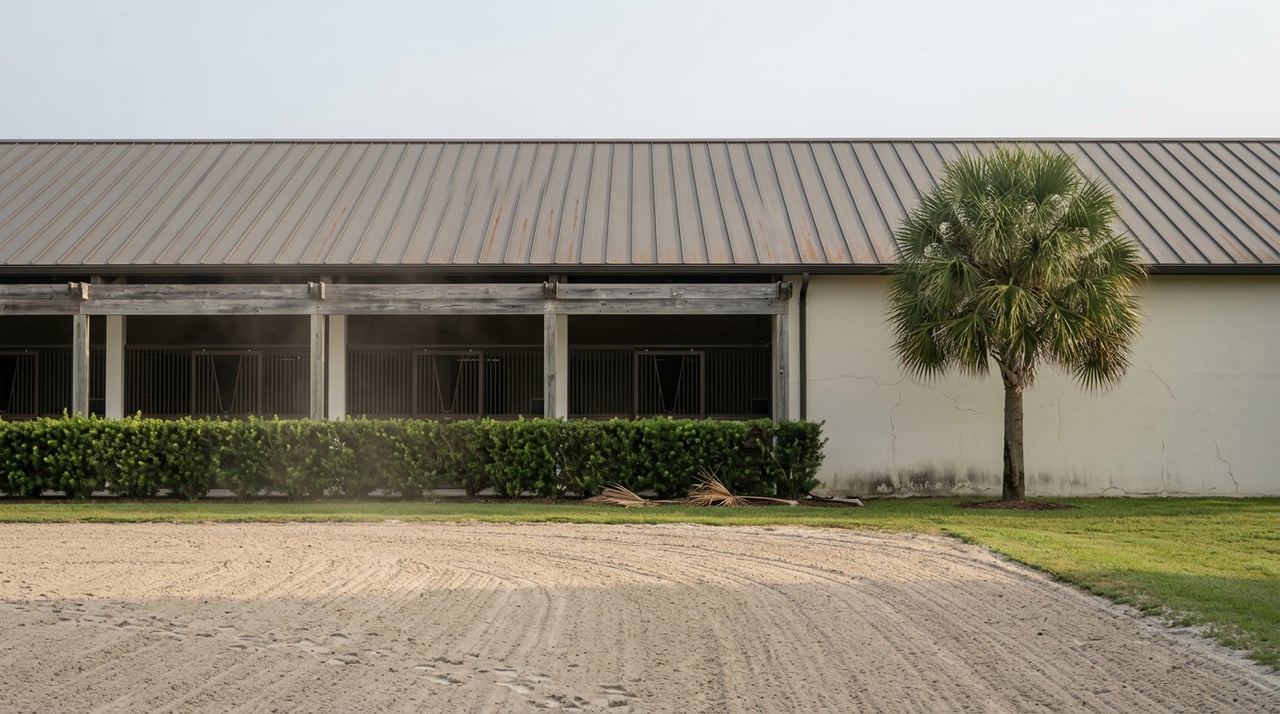
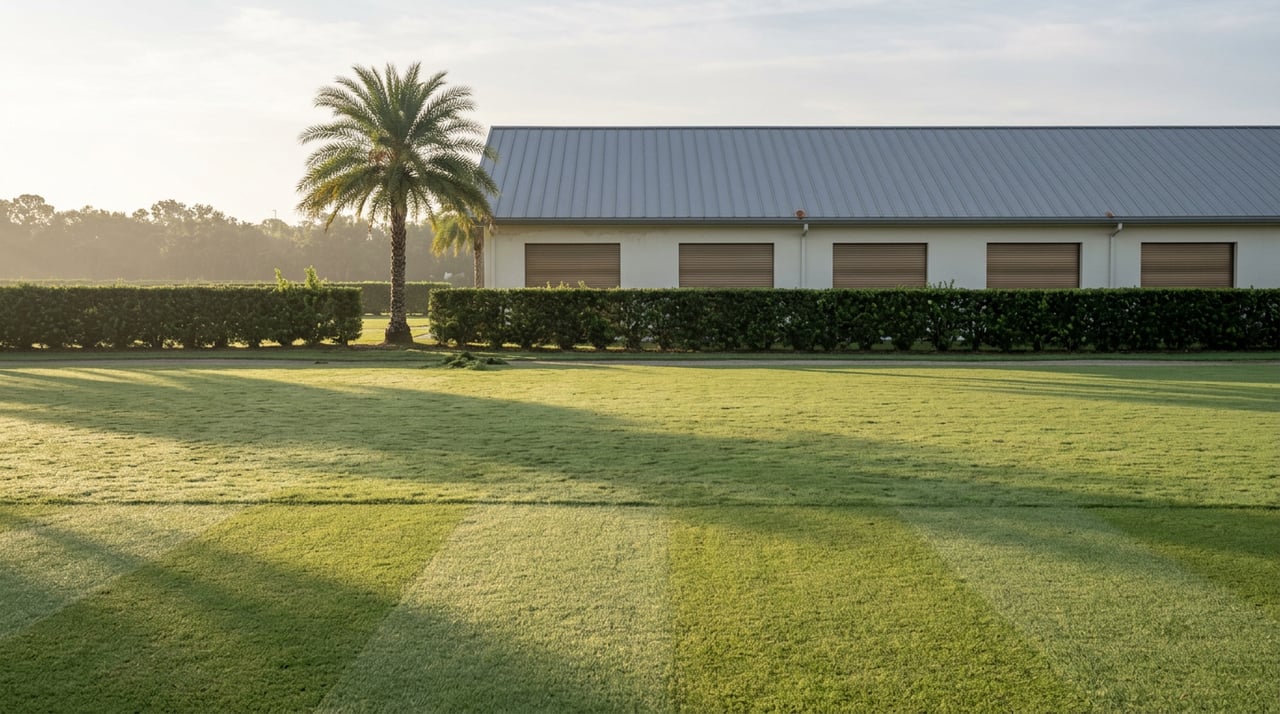
From a property standpoint, teams look for WEF‑ready features that streamline daily operations. Horses and people benefit from practical details like trailer‑friendly access, stalls and turnout that fit your program, well‑designed arena footing, staff accommodations, and quick routes to Southern Boulevard and the showgrounds. Those elements translate directly into time saved and stress reduced.
- Read the average stay analysis: Palm Beach County Sports Commission report.
- See the 2023 economic impact study: Palm Beach County Sports Commission findings.
Plan your first visit
Use this quick list to keep your season smooth and enjoyable:
- Pick your weeks. Review the current WEF and AGDF calendars to match your divisions and goals, and confirm whether weeks include CSI 5*, hunter classics, derbies, or equitation finals.
- Book stabling early. Check the published prize list for deadlines, fees, and bedding policies, and keep confirmations handy for your team.
- Dress for mild winter weather. Expect cool mornings and comfortable afternoons. Layers and sun protection are smart in Wellington’s dry, 70s‑degree winter pattern. You can preview typical temperatures via Wellington climate normals.
- Arrive early on spectator nights. Saturday Night Lights and Friday Night Stars are popular; plan extra time for parking, food, and seats.
- Confirm logistics close to your dates. Reference the Wellington International spectator FAQ for current guidance on parking, shuttles, hospitality, and any last‑minute changes.
- Check live‑stream options if you cannot attend. Many sessions are viewable online, which helps you follow teammates and make scouting notes.
Work with a riding advisor
Choosing the right Wellington property is both a lifestyle decision and a technical one. You want an advisor who understands barns, arenas, footing, drainage, access, and daily show logistics, and who can also bring discreet global reach for a sale or acquisition. As a “Riding Realtor,” Grand Prix and dressage competitor, and Private Office Advisor with Engel & Völkers, I pair hands‑on equestrian knowledge with high‑end marketing and alternative disposition strategies. If you are considering a purchase, sale, or a quiet off‑market conversation this season, connect with Matt Johnson. Request a Private Consultation.
FAQs
When does Wellington’s WEF run and how is it structured?
- WEF operates as a multi‑week series across the winter, with each week functioning as its own show; recent schedules span late December or early January through late March with varied feature classes.
What are the best spectator events for newcomers in winter?
- Saturday Night Lights for show jumping and AGDF’s Friday Night Stars for dressage offer engaging evening formats with sport, music, vendors, and hospitality.
How do stabling reservations and fees work at WEF?
- Policies, deadlines, and fees are set annually in the official prize list; verify current stall rates, bedding rules, and any grounds fees before booking.
What is the winter weather like in Wellington?
- Expect mild, mostly dry conditions with cool mornings and comfortable afternoons in the low to mid‑70s Fahrenheit; pack layers and sun protection.
How long do seasonal teams stay and where do they live?
- A county analysis reported an average stay of about 67 days; teams use a mix of short‑term rentals, hotels, and equestrian properties that suit multi‑week operations.