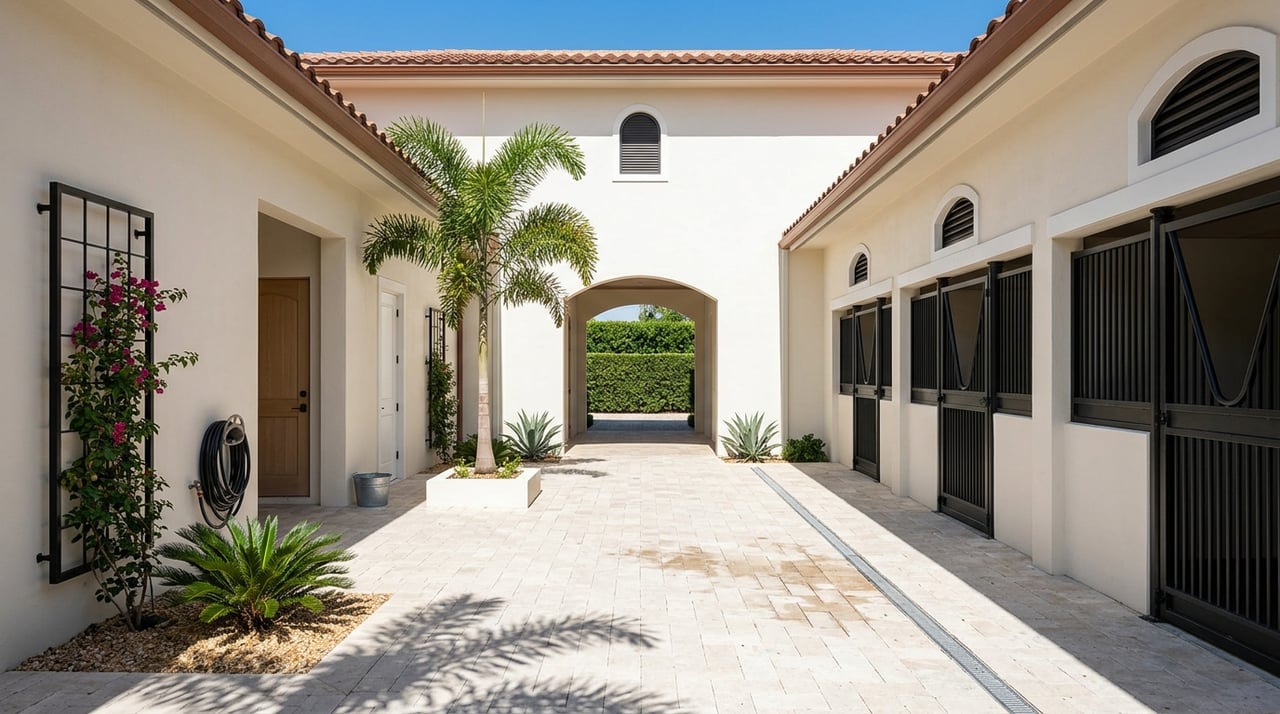
If you are buying an equestrian property from abroad, Wellington can feel both exciting and highly specialized. You are not just shopping for a Florida home. You are evaluating barns, land use, trail access, timing around the winter show season, and the logistics of moving funds through a U.S. closing process. This guide will help you understand how Wellington’s equestrian market works, what to review before you make an offer, and how to prepare for a smoother purchase from overseas. Let’s dive in.
Why Wellington Draws International Buyers
Wellington stands apart because its equestrian identity is built into the community itself. The Village describes Wellington as an equestrian preserve with an Equestrian Element, an Equestrian Overlay Zoning District, and a large public bridle-trail system. It also notes that the area includes more than 580 farms that support polo, dressage, hunter/jumper, and recreational riding, which makes equestrian use a central part of many property decisions. You can review that context on the Village of Wellington’s equestrian community page.
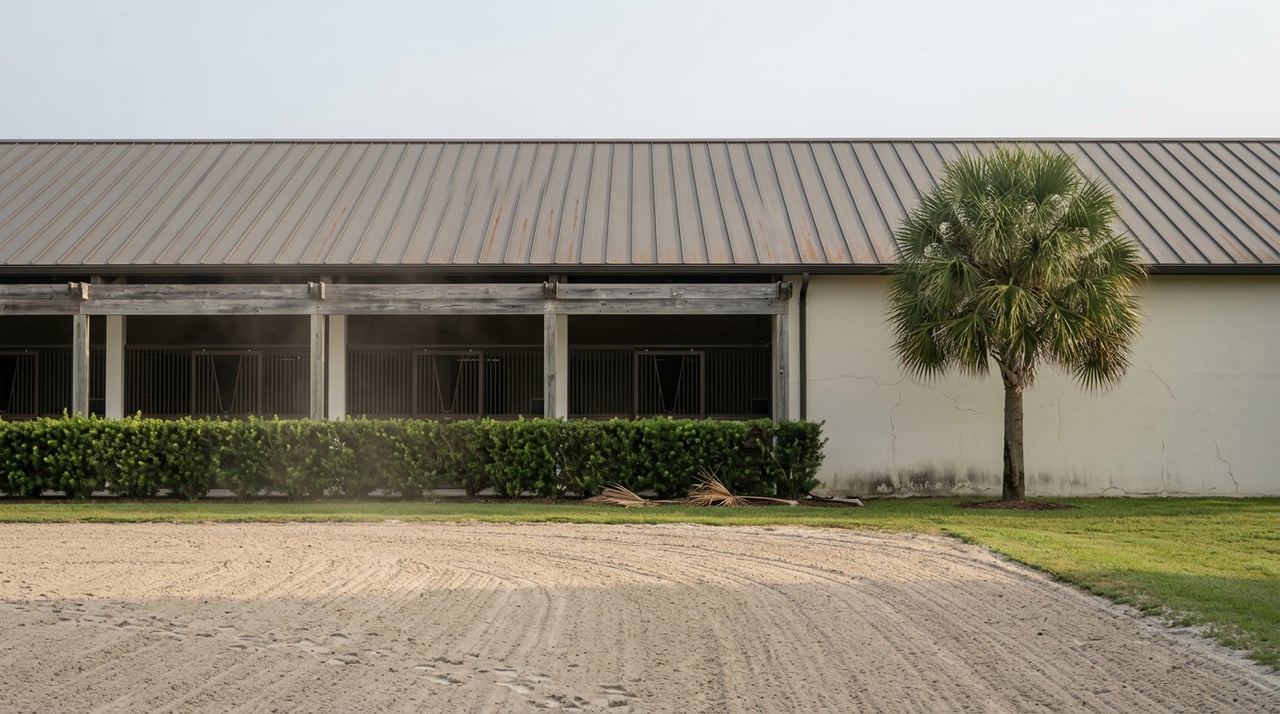
For international buyers, that matters because a property here is often judged on more than finishes and square footage. You may also be looking at stall counts, arena space, paddocks, access routes, drainage, and whether the layout supports your discipline or operational needs. In Wellington, those details are often part of the value equation.
The timing of your search can matter too. Wellington International notes that the Winter Equestrian Festival runs from January through March, with top-level competition active from November through April. For many overseas buyers, that makes winter a practical time to visit, tour farms, and see the area when the equestrian scene is in full motion.
What Makes Wellington Different
Equestrian use shapes value
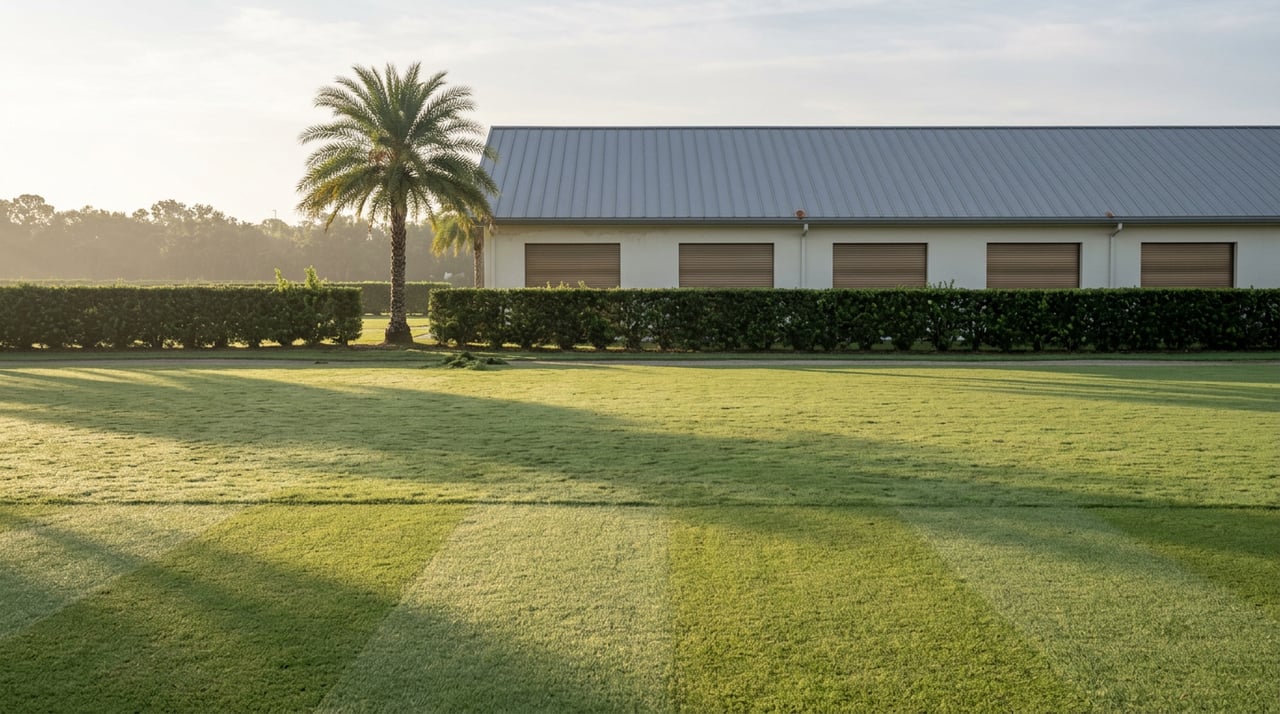
In many markets, land is mostly about privacy or future appreciation. In Wellington, land can also be about function. The way acreage is laid out, how horses move through the property, and how the farm connects to Wellington’s equestrian environment can affect how useful the property is to you.
That is why local review matters. The Village’s Planning and Zoning department oversees land development regulations, and Wellington also highlights drainage improvements within the equestrian preserve. For a buyer coming from abroad, this is a reminder that due diligence on use and infrastructure is not a side issue. It is part of the core purchase decision.
Barns and infrastructure matter
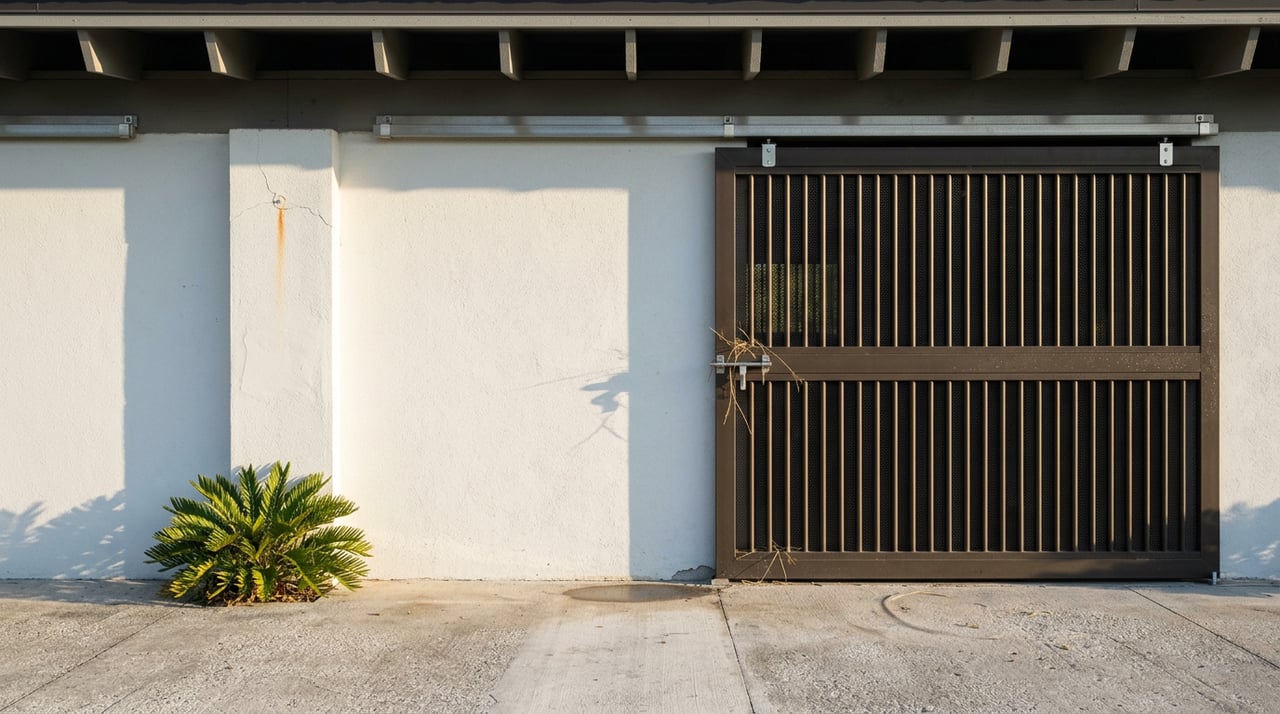
A beautiful residence may still be the wrong fit if the equestrian improvements do not match your goals. Depending on your needs, you may be comparing stall configuration, ring setup, turnout areas, circulation, service access, and general property efficiency. In a market as specialized as Wellington, technical property knowledge can save you time and reduce expensive surprises.
Trail access is part of the appeal
Wellington’s official pages describe a very large public bridle-trail network. The exact mileage varies across official sources, so the safest conclusion is that trail connectivity is a meaningful feature of the area. If trail access matters to you, it is worth confirming how a specific property relates to that broader system during your search.
Plan Your Purchase Early
Buying from overseas usually requires more coordination than a domestic purchase. You may be managing time zones, translation needs, document collection, lender questions, and international banking timelines all at once. The earlier you organize your team and paperwork, the more control you will have later in the process.
A strong early plan often includes:
- Clarifying whether you will pay cash or finance the purchase
- Gathering identity, income, and source-of-funds documentation
- Reviewing how and when funds will move into the United States
- Identifying a real estate attorney, title or closing professional, and tax adviser familiar with cross-border transactions
- Building in extra time for property-specific due diligence
This kind of preparation is especially helpful in Wellington, where the property itself may require more technical review than a typical suburban purchase.
Financing From Abroad
International financing can be more document-heavy than many buyers expect. Chase’s international relocation overview shows the kinds of issues that may come up, including the need to move funds into a U.S. asset account, use or translate foreign credit reports, or provide a valid U.S. address for some programs.
That does not mean financing is off the table. It means you should expect more paperwork and start earlier than you would for a simple domestic loan. If you plan to finance, it helps to speak with your lender before you begin touring seriously so you understand documentation needs and timing.
According to the Consumer Financial Protection Bureau’s closing guidance, the closing phase can involve the lender, title company, escrow company, and sometimes an attorney. Freddie Mac also notes that many loan closings take about 30 to 60 days. For an international buyer purchasing an equestrian property, extra review time may be wise.
Currency and Wire Transfers
Exchange rates can change your final cost
If you are converting funds into U.S. dollars, exchange rates can affect how much you ultimately need to complete the purchase. The CFPB’s money transfer guidance says transfer providers generally must disclose the exchange rate, fees, taxes, and the amount the recipient will receive. It also notes that recipient-side bank fees and foreign taxes can reduce what arrives.
That is why many international buyers plan their currency strategy well before closing week. Even small shifts in timing can matter when the purchase price is significant.
International wires may take longer
Timing matters as much as cost. Chase’s wire transfer overview explains that international bank transfers may require additional information, may take a few days longer than domestic wires, and may cost more. If your purchase funds are coming from abroad, you do not want to wait until the last minute.
A practical approach is to confirm transfer instructions early, understand how long your bank usually needs, and leave room for delays. That can help reduce stress near closing when deadlines become more rigid.
Due Diligence for Equestrian Homes
Review zoning and permitted use
Before you commit, make sure the property supports your intended use. In Wellington, that may mean confirming zoning, overlay rules, land development requirements, and other property-specific details through the Village’s planning framework. The Planning and Zoning department is an important reference point during that review.
This step can be especially important if you are buying a farm, a training property, or acreage with future plans in mind. Even sophisticated buyers benefit from verifying assumptions early.
Look closely at drainage and land condition
Drainage is not a minor detail on an equestrian property. Wellington specifically references drainage improvements within the equestrian preserve, which signals how important land performance can be in this market. If you are purchasing acreage, you may want extra review of how the property handles water, how usable the grounds are, and whether existing improvements appear to support your plans.
Match the property to your discipline
A horse property should work for the way you actually ride, train, or manage horses. A show-focused buyer may need one kind of setup, while a recreational rider or investor may value something different. In Wellington, where the equestrian market is highly specialized, fit matters as much as appearance.
Understanding the U.S. Closing Process
Even when you are buying a distinctive Wellington equestrian property, the transaction still follows a formal U.S. closing structure. The closing phase usually includes title work, underwriting if financing is involved, inspections, and document review. The CFPB explains that signatures may be collected over time and that several parties may be involved in the process.
One key milestone comes near the end. The CFPB’s closing checklist says the Closing Disclosure must be provided at least three business days before signing. Fannie Mae also notes that funds are commonly sent by wire ahead of closing or brought as a cashier’s check, which means your final review period still matters even when everything seems nearly done.
For international buyers, this is a good reason to stay available in the final week. Last-minute questions, identity checks, and wire confirmations are easier to manage when you have already cleared time for them.
Build the Right Professional Team
Cross-border purchases are easier when the right people are in place before you make an offer. Based on the process described by the CFPB and Fannie Mae, your team may include a real estate attorney, title or closing professional, lender if needed, and a tax adviser familiar with international ownership and future sale planning.
This team matters because different professionals handle different risks. One may help you review title and closing documents, another may guide funding logistics, and another may explain tax reporting issues that could matter later. Good preparation is often less about speed and more about clarity.
Tax and Exit Planning
One issue many overseas buyers hear about is FIRPTA. The IRS explains that buyers and other transferees generally must withhold and report tax when acquiring U.S. real property interests from foreign persons. In practical terms, this is often more relevant when you eventually sell than when you first buy.
That is why it helps to understand FIRPTA as part of your long-term ownership plan instead of treating it as a surprise later. The IRS also provides guidance on taxpayer identification needs, including ITIN-related issues for foreign buyers and sellers. A qualified tax adviser can help you understand what may apply to your situation.
Protect Yourself From Wire Fraud
Cross-border closings create more opportunities for confusion, especially when instructions are shared by email across different time zones. The CFPB warns about mortgage closing scams, including emails that pretend to come from an agent or settlement professional in order to redirect your funds.
A simple habit can help protect you. Always verify payment instructions with a trusted contact using known contact information before sending money. Never rely on a last-minute email alone, especially if banking details have changed.
A Smarter Way to Buy in Wellington
The best Wellington purchases usually start with realistic planning. You want to understand the local equestrian framework, review the property at a technical level, prepare your funding path early, and leave room for the formal steps of a U.S. closing. That approach gives you more confidence and helps you make decisions based on both lifestyle and function.
If you are considering a Wellington equestrian home or farm, working with an advisor who understands both the riding world and the transaction process can make the search far more efficient. For a discreet, technically informed conversation about your goals, connect with Matt Johnson.
FAQs
What should international buyers know about Wellington equestrian properties?
- Wellington is a highly specialized equestrian market where zoning, permitted use, barn infrastructure, drainage, and access to the area’s large bridle-trail system can all influence a property decision.
When is the best time for international buyers to visit Wellington homes?
- Winter is often the most practical time to visit because Wellington International says major competition is active from November through April, including the Winter Equestrian Festival from January through March.
How long does a Wellington equestrian home closing usually take?
- Many financed closings take about 30 to 60 days, but an equestrian property may require extra time for zoning, land-use, drainage, and condition review.
What financing challenges do overseas buyers face in Florida home purchases?
- International buyers may face more documentation requirements, such as foreign credit review, translated documents, U.S. asset account requirements, or added lender verification steps.
Why do currency transfers matter in international Wellington purchases?
- Exchange rates, transfer fees, bank charges, and longer international wire timelines can affect both your total cost and whether funds arrive in time for closing.
What is FIRPTA and why should foreign buyers understand it?
- FIRPTA is generally more important when you later sell U.S. real property, but it is worth understanding early as part of long-term tax and exit planning.
How can international buyers avoid wire fraud during a U.S. closing?
- Always confirm wire instructions directly with a trusted contact using verified contact information before sending funds, and be cautious of any last-minute email changes.