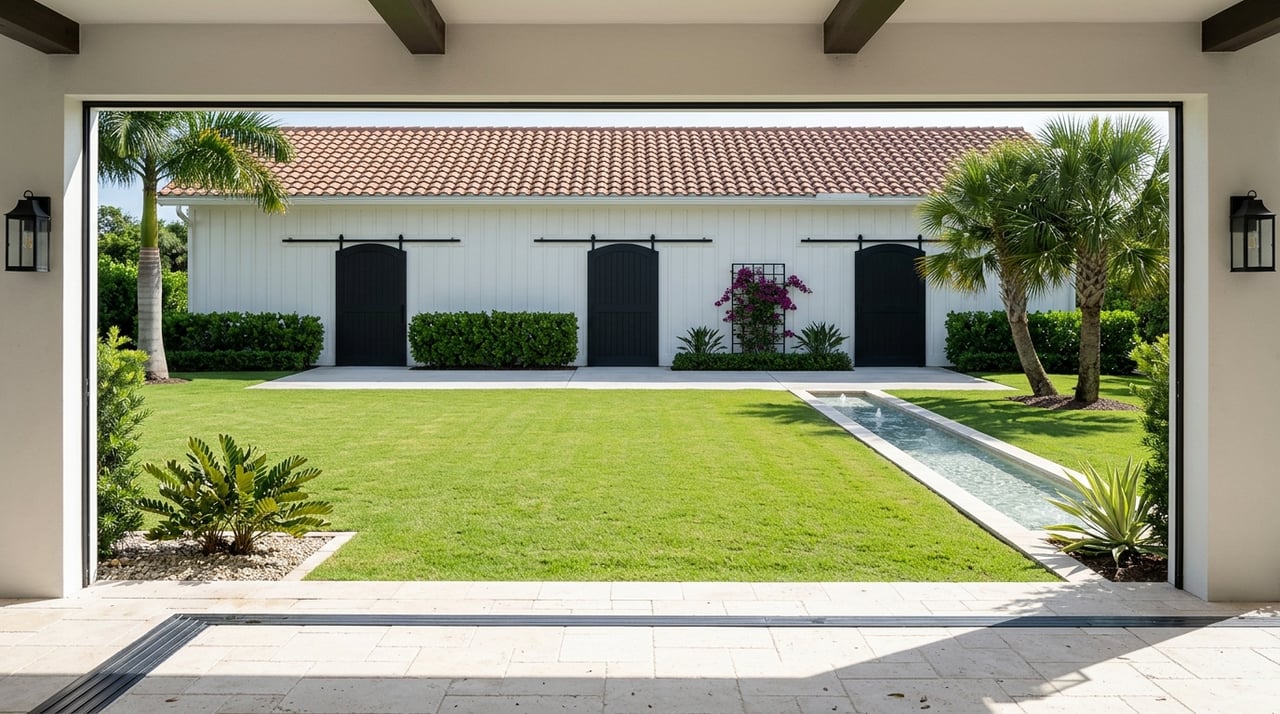
Trying to choose between a gated luxury home and a farm in Wellington? You are not alone. This is one of the most important decisions buyers make here because Wellington offers two very different luxury lifestyles, both appealing for different reasons. If you want clarity on how land, horses, maintenance, seasonality, and daily living all shape that choice, this guide will help you sort through it. Let’s dive in.
Why Wellington Makes This Choice Unique
Wellington is not a one-note luxury market. The village describes itself as the winter equestrian capital of the world, and its equestrian community plays a major role in both the local economy and the physical structure of the village. According to the Village of Wellington, that equestrian presence contributes more than $160 million annually to Palm Beach County.
At the same time, Wellington also offers a broad residential mix that goes well beyond horse properties. The village points to a housing spectrum that ranges from apartments to estate homes, along with a strong civic and recreation network that includes the Town Center, amphitheater, playground, boathouse, village hall, and 32 park sites. That combination is what makes the local decision so specific: you are not just choosing a home, you are choosing between two different ways of living in Wellington.
Gated Community Vs Farm
In simple terms, a gated community usually fits buyers who want a luxury home first and equestrian access second. A farm or equestrian estate usually fits buyers who want horses at home and need the property to support that use every day.
That may sound straightforward, but in Wellington the gap between those options is meaningful. The village’s planning framework treats conventional residential living and the equestrian preserve as different systems with different uses, expectations, and ownership demands. Your best choice often comes down to how you want your time, money, and property to work for you.
What Gated Community Living Offers
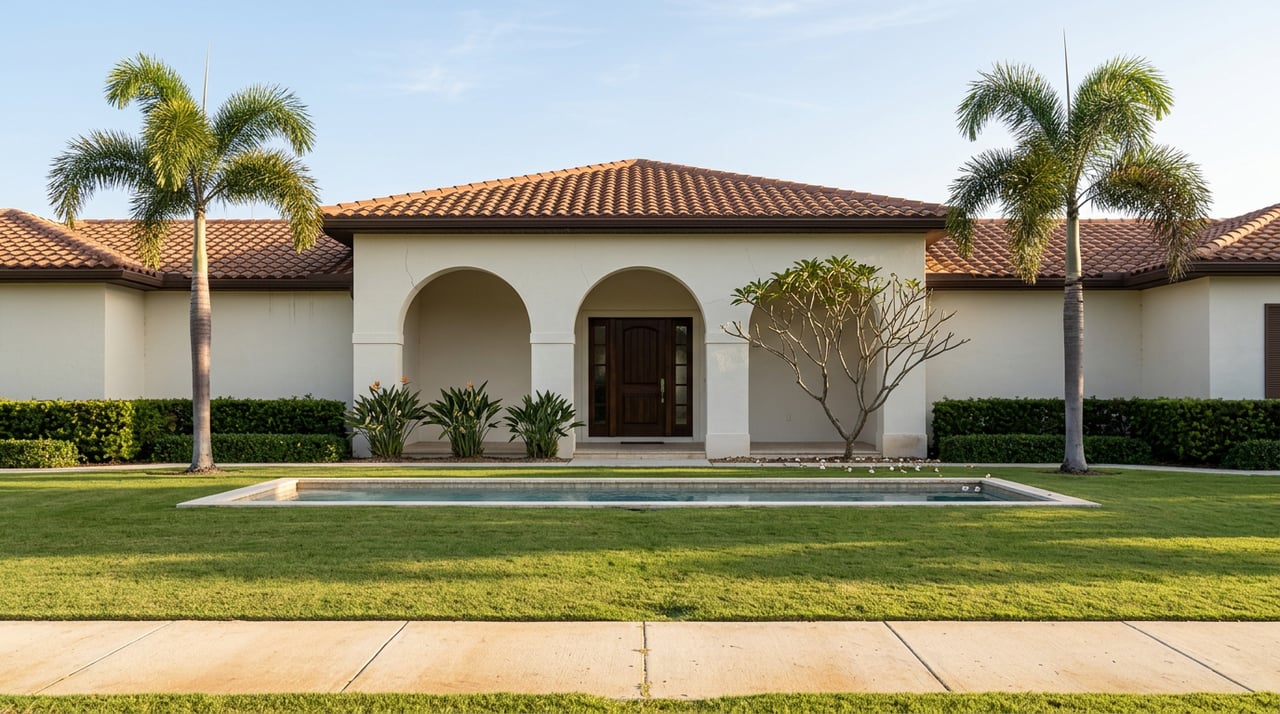
A gated community in Wellington often appeals to buyers who want convenience and a more traditional luxury routine. You may have less private land to maintain, easier access to parks and community amenities, and a home that feels more turnkey for seasonal or full-time living.
This side of the market can make sense if you enjoy Wellington’s broader lifestyle but do not need a private barn, arena, trailer storage, or pasture at home. It can also suit riders who board elsewhere and simply want to stay connected to Wellington’s larger equestrian environment, including the village’s extensive trail network.
Benefits of a Gated Community
- Less land and exterior infrastructure to manage
- Greater focus on home amenities and everyday convenience
- Access to Wellington’s parks, civic spaces, and residential lifestyle
- A practical option for buyers whose horses are not the center of daily property use
Tradeoffs to Consider
Lower maintenance does not mean no extra costs. The Consumer Financial Protection Bureau notes that HOA dues are typically separate from your mortgage and can range from a few hundred dollars per month to more than $1,000.
You should also expect rules. In many organized communities, exterior changes and certain use patterns may be limited. In practical terms, that usually means far less flexibility if you ever want to add horse-specific improvements or make the property function more like an equestrian estate.
What Farm Ownership Offers
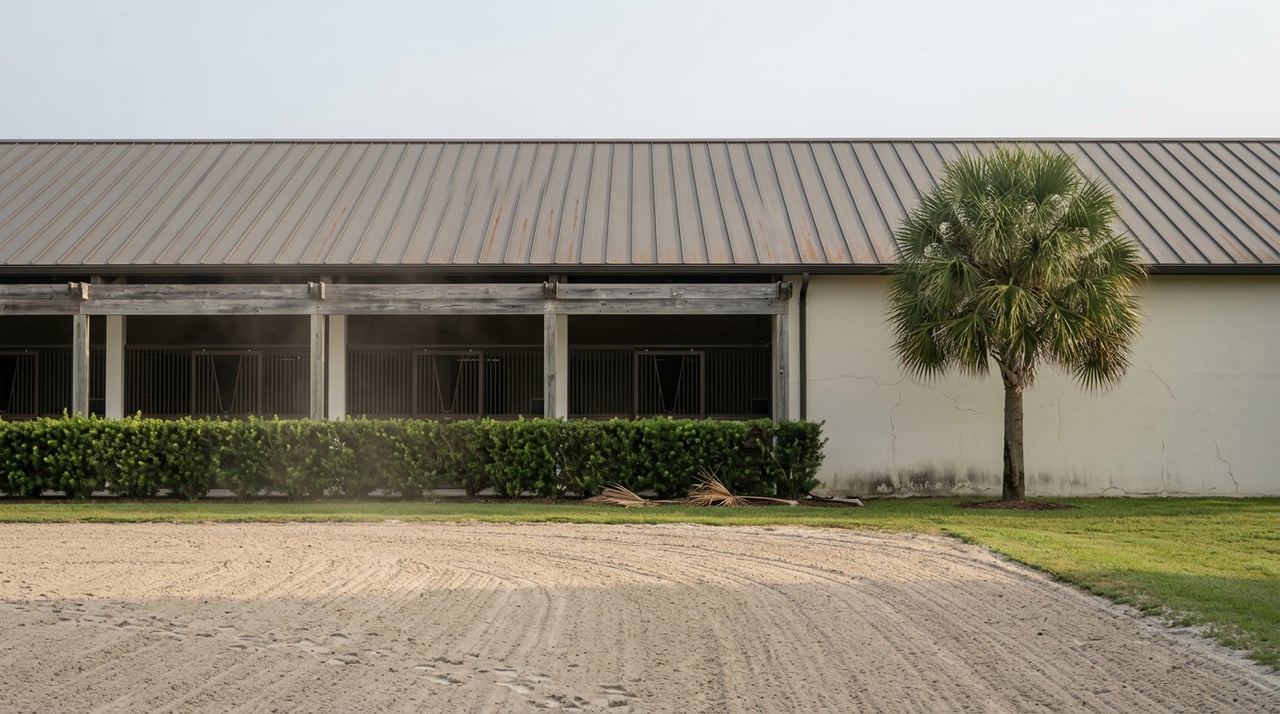
A farm in Wellington is a different proposition entirely. Here, the property is not just where you live. It is often part of how you train, manage horses, store equipment, and move through your day.
The village describes the equestrian district as a purpose-built environment created to keep horses close to the competitive venues. It is supported by comprehensive-plan policies, an equestrian overlay zoning district, and a large public trail network, as outlined on Wellington’s equestrian community pages.
Why Farms Appeal to Serious Equestrian Buyers
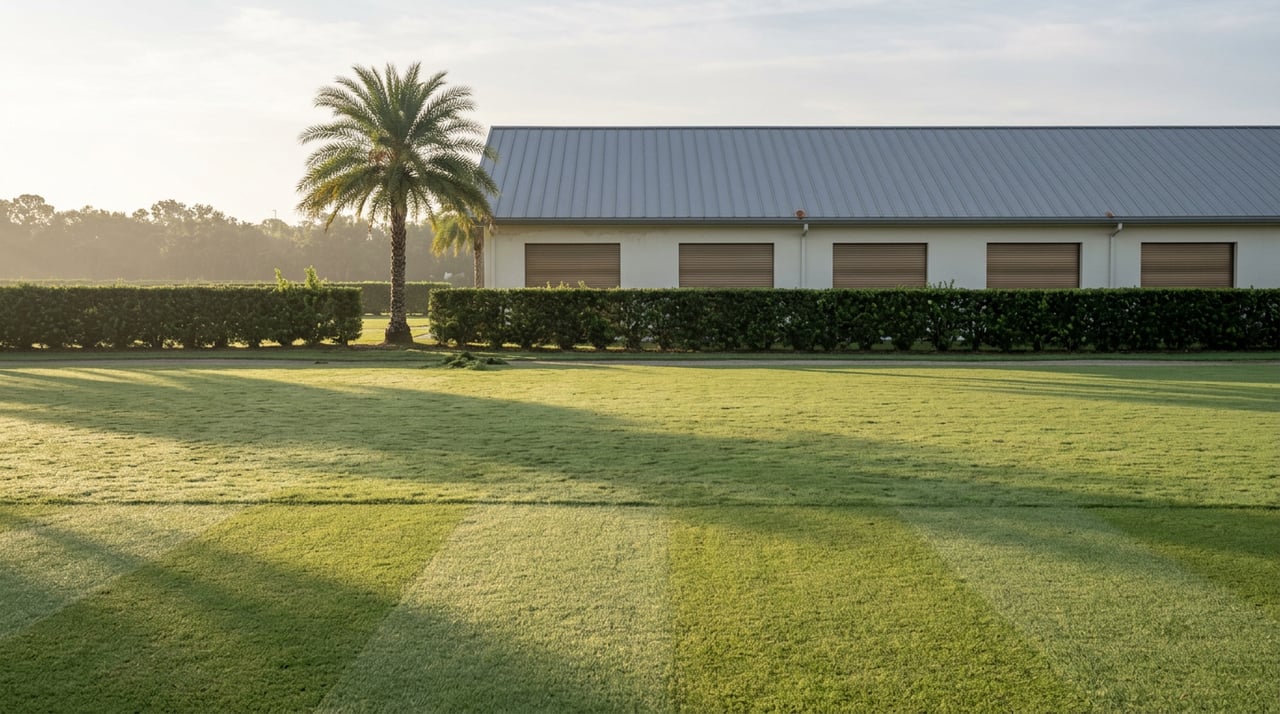
Wellington says it has more than 580 farms serving polo, dressage, hunter/jumper, and recreational riders. Farm sizes range from 1 acre to 200 acres, with 2-acre and 5-acre parcels among the most common sizes in the preserve area.
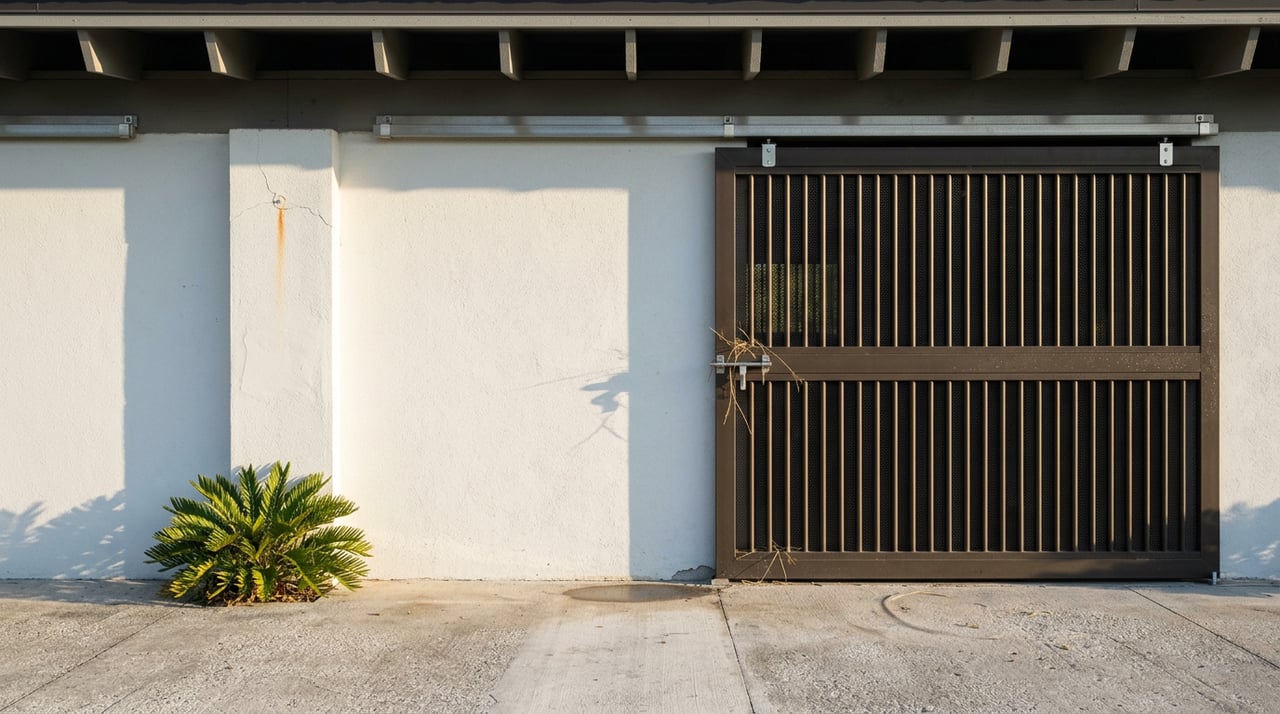
For serious riders, trainers, breeders, or multi-horse households, that setup can be hard to replace. A farm can give you direct trail access, barns, turnout, trailer storage, and a daily routine built around horses instead of around commuting to them.
Tradeoffs of a Farm
The extra freedom comes with more responsibility. Farm ownership usually means more hands-on management, more capital tied up in land and infrastructure, and more ongoing attention to the property itself.
Wellington also notes the importance of preserve maintenance, drainage, and stormwater routing in this part of the market. That matters because a farm is not just a home site. It is an infrastructure-heavy asset that may require closer evaluation of layout, function, and upkeep.
How Wellington’s Land Use Shapes Your Choice
One reason this decision matters so much is that Wellington’s equestrian areas are intentionally specialized. The village charter states that hotels, condo-hotels, and apartments are prohibited in the Equestrian Preserve Area, and the village handles rural equestrian lots differently from standard subdivision lots.
That creates a clear distinction. A gated home usually sits in a more flexible, amenity-driven residential environment. A farm sits in a horse-centered environment where the land is expected to function differently.
For buyers, this means you should think beyond finishes and square footage. You also need to ask whether you want a residence in Wellington or an equestrian operation based in Wellington.
Three Questions to Ask Yourself
If you are deciding between the two, these are often the most useful questions.
How many horses do you have now?
If you own multiple horses and want them at home, a farm may be the more logical fit. If your horse use is occasional, outsourced, or still evolving, a gated home may give you more flexibility with less day-to-day responsibility.
How often do you ride?
If riding is central to your routine, living on a farm can simplify daily life. If horses are part of your lifestyle but not the main driver of where you live, a gated home can offer the balance many buyers want.
Do you want to manage land and facilities?
This is often the real dividing line. If you want to handle barns, grounds, storage, and equestrian improvements directly, farm ownership may feel natural. If you would rather reduce private upkeep and keep your property simpler, a gated community may be the better match.
How Seasonality Can Affect Your Experience
Wellington’s equestrian calendar also matters. Wellington International hosts the Winter Equestrian Festival, the Adequan Global Dressage Festival, and annual horse show series, with competitions running from November through April and drawing participants from all 50 states and more than 34 countries.
That level of activity is part of what makes Wellington special, but it can also shape how a property feels during the season. Homes and farms closer to the major venues are more likely to experience the energy and movement that come with a global equestrian destination, while properties farther away may feel more removed from it.
A Practical Rule of Thumb
If the home is the priority and horses are secondary, a gated community is often the stronger fit. If the horses are the priority and you want the property built around them, a farm usually makes more sense.
That does not mean one option is better than the other. It means the right choice depends on whether you want Wellington primarily as a luxury residential lifestyle, or as a place where your equestrian life happens at home.
When a Gated Home Makes Sense
A gated community may be right for you if:
- You want a luxury residence with less land to manage
- You value community amenities and access to parks and town amenities
- You board horses elsewhere or do not need equestrian infrastructure at home
- You want a property that is easier to lock, leave, and enjoy seasonally
When a Farm Makes Sense
A farm may be right for you if:
- You want horses on the property every day
- You need barns, arenas, turnout, storage, or room for operations
- You want direct connection to Wellington’s equestrian framework
- You are comfortable with the added oversight that comes with acreage and infrastructure
Keep Flexibility in Mind
If part of your long-term plan includes occasional rental use, local rules are worth reviewing early. Wellington requires a Vacation Rental Permit for units offered more than three times per calendar year for periods shorter than 30 days or one calendar month.
That is not necessarily a dealbreaker, but it is one more reminder that the right purchase should match how you plan to use the property over time, not just how it looks on day one.
In Wellington, luxury is not one-size-fits-all. Some buyers are happiest in a polished gated setting with convenience and easy living. Others need acreage, barn function, and a property that supports horses at the highest level. If you want help weighing those options with a practical understanding of both luxury homes and equestrian properties, Matt Johnson can help you evaluate the fit with clarity and discretion.
FAQs
What is the main difference between a gated community and a farm in Wellington?
- A gated community usually prioritizes residential convenience and amenities, while a farm is built around horse use, land, and equestrian infrastructure.
Are HOA fees included in a Wellington gated home mortgage payment?
- No. The Consumer Financial Protection Bureau says HOA dues are usually paid separately from the mortgage.
Is Wellington only for equestrian buyers?
- No. The village offers a broad housing spectrum and a strong civic and park system in addition to its equestrian core, according to the Village of Wellington.
Are farms in Wellington located in a specialized equestrian area?
- Yes. Wellington’s equestrian preserve is supported by horse-focused planning policies, zoning, and trail access designed to keep horses close to the competition venues.
Does seasonality affect Wellington luxury property choices?
- Yes. Wellington’s major horse show season runs from November through April, which can shape the level of activity around properties near the main venues.
Can you use a Wellington property as a short-term rental?
- Possibly, but Wellington requires a Vacation Rental Permit for units offered more than three times per year for stays shorter than 30 days or one calendar month.