You do not choose a luxury auction for an ordinary property problem. You choose it when you own a distinctive estate, want a defined path to sale, and need a strategy that matches the asset. In Wellington, that question comes up often because many properties are not easy to price like a typical suburban home. If you are weighing speed, exposure, discretion, and price discovery, this guide will help you understand when a luxury auction may fit your goals. Let’s dive in.
Why Wellington is a unique market
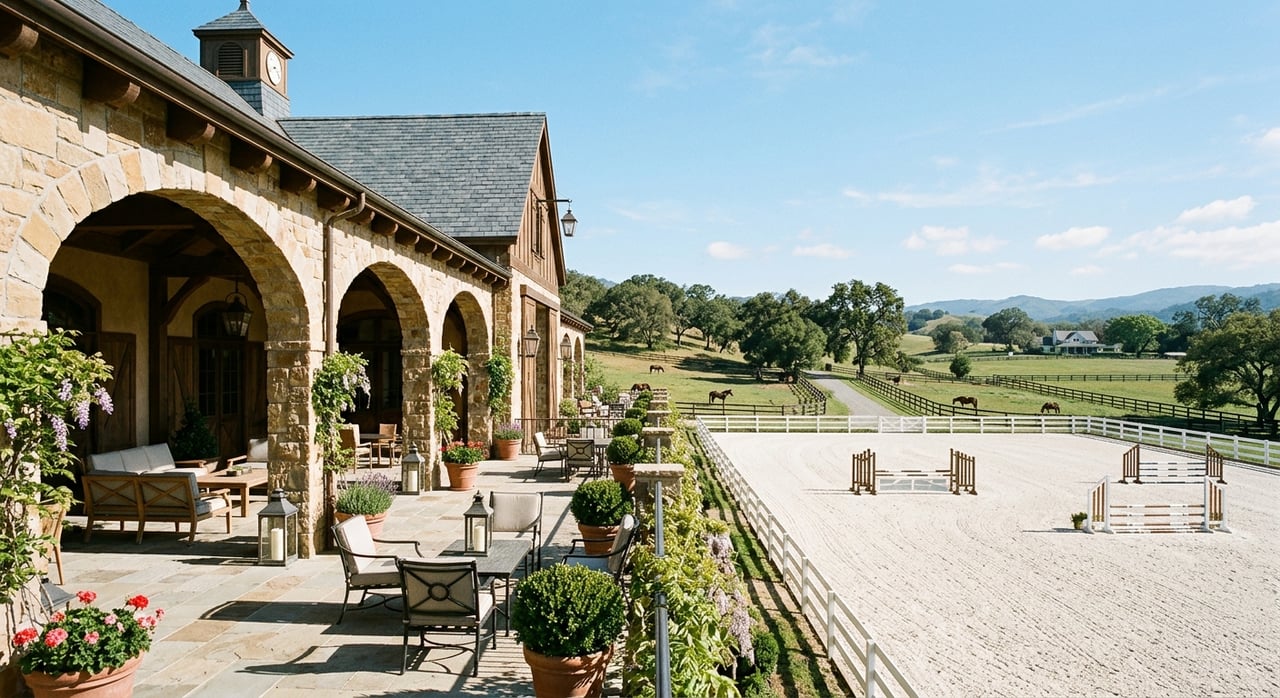
Wellington is not a one-size-fits-all real estate market. The Village identifies itself as a South Florida community with strong equestrian interests, and its Equestrian Preserve Area spans about 9,000 acres with equestrian farms, facilities, bridle trails, Wellington International, and the National Polo Center.
That matters because many Wellington estates are tied to a specific lifestyle and use. A property with acreage, barn infrastructure, arena space, or preserve-area considerations often speaks to a narrower buyer pool than a standard luxury home.
Wellington’s equestrian season also shapes timing. The Village says the season runs from November through April, and the equestrian community generates more than $160 million in annual economic impact to Palm Beach County.
For sellers, that creates a market where timing and buyer reach can matter just as much as list price. In a specialized setting like this, a deadline-driven sales strategy can sometimes make more sense than a long open-ended listing period.
What a luxury auction actually means
A real estate auction is a public sale to the highest bidder, and it can happen live or online. Auctions are not limited to distressed properties. They are also used for luxury homes, estates, rural properties, and farm-and-ranch assets.
That distinction is important if you are worried about perception. In today’s market, a luxury auction is better understood as an alternative sales method, not a signal that something is wrong with the property.
In Florida, the auction terms must be announced at the beginning of the auction. That includes whether the sale is with reserve, without reserve, absolute, or subject to a minimum bid. If a buyer premium or surcharge applies, that must also be announced and disclosed at the auction site.
Reserve vs. absolute auctions
A reserve auction gives you more control over the minimum outcome. You set a minimum price, and if bidding does not reach that level, the property does not have to sell.
An absolute auction has no minimum price. The highest bidder wins.
For many Wellington estate owners, the reserve structure is the first model to explore. It can offer the urgency and transparency of an auction while still preserving a pricing floor.
When a luxury auction may be the right fit
A luxury auction tends to make the most sense when your property is highly specialized, when you want a date-certain sale, or when you would rather let the market establish value through open competition than through months of private back-and-forth.
In Wellington, that can apply to:
- Multi-acre equestrian farms
- Estate homes with barns or riding infrastructure
- Large land parcels
- Properties with a narrower, highly targeted buyer pool
If your estate needs broader exposure beyond the usual local audience, an auction can also help frame the campaign around a single event and timeline. Florida Realtors reported that 45% of international purchases in its 2025 survey occurred in the Miami-Fort Lauderdale-West Palm Beach metro area, which includes Palm Beach County.
That does not guarantee an international buyer for your property. It does suggest that Wellington sellers may benefit from marketing that reaches beyond local demand, especially in the luxury and equestrian segments.
Signs an auction could work well
An auction may be worth serious consideration if you want:
- A firm sale timeline
- Concentrated buyer attention
- Broad digital and regional exposure
- Competitive bidding to help establish market value
- A process built around qualified, committed buyers
This can be especially useful for owners who do not want their property sitting on the market while price expectations are repeatedly tested.
When a traditional listing may fit better
An auction is not ideal for every seller. It can be a weaker fit if you want a long runway to test pricing, expect extended negotiations, or are uncomfortable with the shorter due-diligence windows buyers often expect in auction settings.
Auction sales are commonly as-is and often include fewer contingencies than a conventional listing. Buyers are encouraged to inspect the property early and review the paperwork before bidding, which creates a different pace from a standard listing process.
How the auction timeline works
One of the biggest reasons sellers consider a luxury auction is speed. A typical example cited by the National Auction Association moves from signed contract to auction day in about 35 days, with closing around day 70.
That timeline usually includes key steps such as:
- Title review
- Photography and video production
- Buyer list building
- Digital and direct marketing
- Property previews or events
- Bidder registration and qualification
Online-only auctions can move quickly as well. In some cases, bidding may be available from the day the auction is posted.
For a Wellington estate, this kind of structure can create momentum. Instead of spreading attention over months, the campaign concentrates interest into a clear window that encourages serious action.
Marketing matters more than ever
A luxury auction is not just an event. It is a marketing campaign with a deadline.
That matters in Wellington, where buyers often need more than beautiful photos. They may need clear information about acreage, zoning context, barn layout, arena dimensions, footing, drainage, paddocks, access, and how the property functions day to day.
For highly specialized estates, polished video and strong visual presentation are important, but so is technical clarity. A buyer considering an equestrian property may be evaluating the asset very differently from a buyer shopping for a conventional luxury residence.
In a broader South Florida market that can attract nonlocal and international interest, digital reach also becomes more important. A campaign built for broad exposure may perform better than one that relies mainly on local listing traffic.
Buyer vetting is part of the process
Auction buyers do not simply show up and wave a paddle. The process is usually more structured than a standard open house or showing schedule.
Bidders typically register and receive a bidder number. They may also be asked to provide personal information or government identification, and some real estate auctions may require a cashier’s-check down payment in order to qualify.
That structure can be valuable for luxury sellers. It helps focus the process on buyers who are prepared to act, rather than casual interest that never turns into a contract.
Wellington-specific details to verify first
If your property is in or near Wellington’s Equestrian Preserve Area, preparation is critical before launching any sale strategy. The Village states that development in the preserve area is governed by the Equestrian Overlay Zoning District, and the Equestrian Preserve Committee advises on land use, safety, flooding, drainage, and related development issues.
That means your pre-launch work should go beyond cosmetic preparation. You should verify the details that can shape buyer confidence and value, especially for equestrian or land assets.
Key items to review before going live
Before an auction campaign begins, it is wise to confirm:
- Zoning and permitted uses
- Use rights and easements
- Drainage conditions
- Barn and arena infrastructure details
- Trail or preserve-related constraints
- Any property documentation a serious buyer will want early
In a market like Wellington, these details are not minor. They can directly affect how buyers evaluate the property and how confidently they bid.
The biggest tradeoff to understand
A luxury auction can deliver speed, transparency, and a defined sale date. In return, you give up some of the open-ended flexibility that comes with a traditional listing.
That tradeoff is not good or bad on its own. It simply depends on your priorities.
If your goal is process control, concentrated marketing, and a clear timeline, an auction may be a strong option. If your goal is to leave the property on the market while exploring pricing over a longer period, a conventional listing may offer a better fit.
How to decide what fits your estate
The right question is not whether auctions are good or bad. The better question is whether an auction matches your property, your timing, and your tolerance for a faster, more structured process.
For a distinctive Wellington estate, especially one tied to equestrian use, a luxury auction can be a smart strategy when the asset needs technical presentation, broad reach, and serious buyer engagement within a defined window. For other sellers, a traditional listing or a more discreet alternative may be the better path.
If you want to evaluate the best approach for your property, including whether an auction, Private Office strategy, or conventional listing makes the most sense, Matt Johnson can help you assess the options with the calm, technically informed guidance Wellington sellers expect.
FAQs
What is a luxury auction for a Wellington estate?
- A luxury auction is a public sale process for a high-end property where qualified buyers bid within a set timeline, often live or online, instead of negotiating through a traditional open-ended listing.
Are luxury auctions only for distressed Wellington properties?
- No. Auctions are used for many non-distressed properties, including luxury homes, estates, rural properties, and equestrian assets.
What is the difference between a reserve auction and an absolute auction in Florida?
- In a reserve auction, you set a minimum price and the property does not have to sell below it. In an absolute auction, there is no minimum price and the highest bidder wins.
How fast can a Wellington luxury auction move?
- A typical example timeline can reach auction day in about 35 days after contract signing, with closing around day 70, although timing can vary by property and campaign structure.
What should sellers verify before auctioning an equestrian property in Wellington?
- Sellers should review zoning, use rights, easements, drainage, barn and arena infrastructure, and any preserve-related constraints before the property goes live.
Is a luxury auction better than a traditional listing for a Wellington estate?
- It depends on your goals. An auction may work better if you want speed, a firm timeline, and competitive bidding, while a traditional listing may fit better if you want more time and flexibility for negotiations.