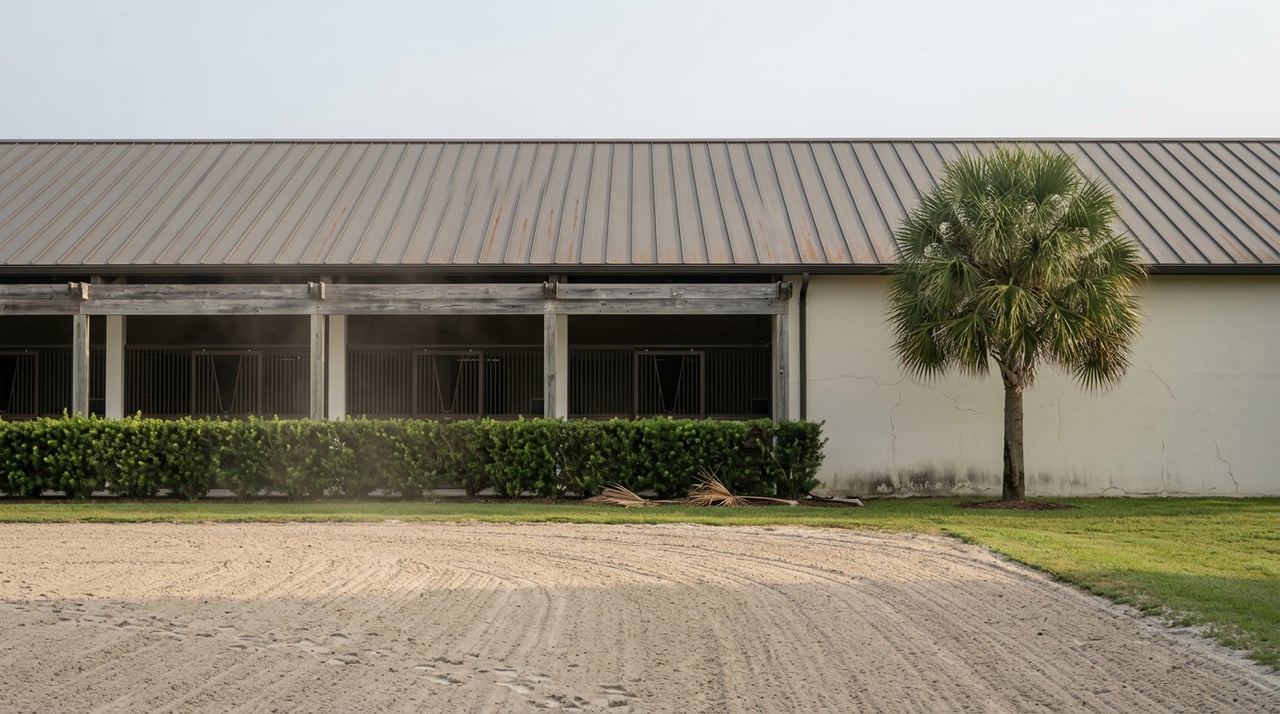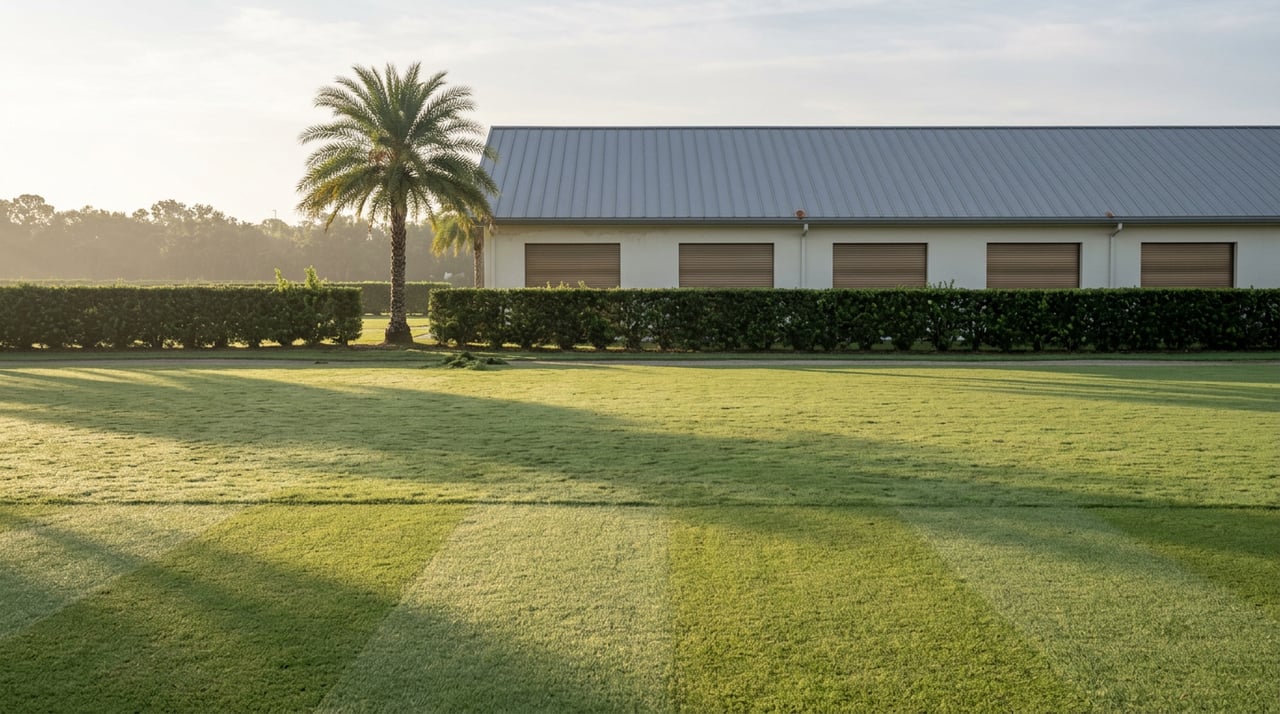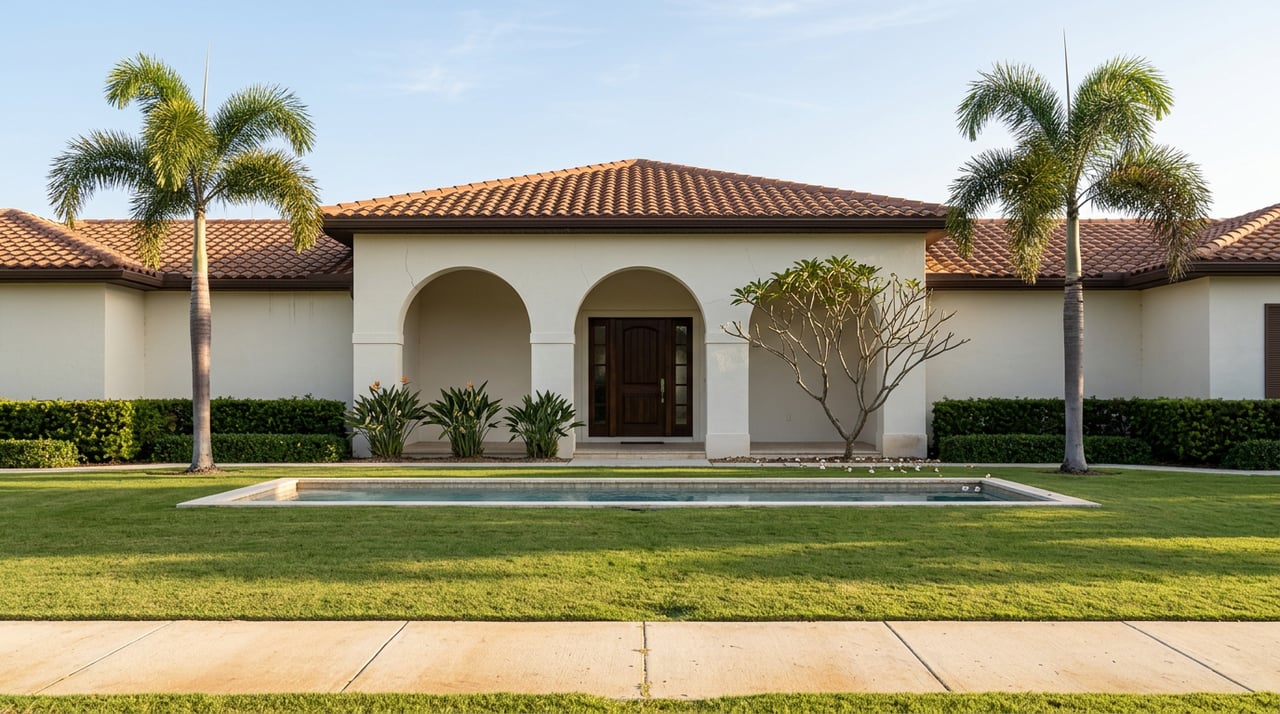
If you are shopping for land in Wellington for a custom equestrian build, acreage alone will not tell you whether a parcel truly works. What looks ideal on paper can change quickly once you factor in zoning, setbacks, drainage, floodplain conditions, access, utilities, and the real space needed for barns, arenas, turnout, and trailer circulation. A smart evaluation process can help you avoid expensive surprises and focus on land that can actually support the way you want to live and ride. Let’s dive in.
Why Wellington land needs a closer look
Wellington is not just another South Florida market. The Village treats its equestrian community as a distinct planning area through the Equestrian Preserve Area and the Equestrian Overlay Zoning District. The Equestrian Preserve Area covers about 9,000 acres in the western and southern parts of the Village and includes major equestrian facilities, bridle trails, and horse farms.
That local planning structure matters when you are evaluating vacant land. A parcel may sit in a highly desirable equestrian setting, but what you can build will still depend on its future land use, zoning, and where it falls within the overlay rules. In practice, the best parcel is rarely just the biggest one. It is the one that can support your full program with the fewest constraints.
Wellington also has an extensive bridle trail network that is maintained through public and private easements and crossings. For buyers, that adds value to location decisions, but trail access should be confirmed against the current Village mapping rather than assumed from a listing description.
Start with zoning and overlay rules
Before you sketch a barn or place a ring, confirm the parcel’s future land use, zoning, and EOZD subarea. Wellington’s local rules treat structures like single-family homes, barns, stables, covered arenas, and temporary stabling tents as principal uses in the overlay. That means they must meet principal-structure setbacks.
This is where many buyers underestimate the process. Two parcels with similar acreage can produce very different building envelopes depending on the subarea and the required setbacks. The usable space after setbacks often matters more than the raw lot size.
Some equestrian features also have specific separation rules in certain areas. Dressage walls, sand rings, riding rings, and manure bins may all need to sit in particular locations relative to lot lines or other improvements. If you are planning a true custom facility, these details should be reviewed early, not after design work begins.
Why buildable envelope matters most
A practical land review should ask one simple question: after setbacks are applied, how much room is left for everything you actually need?
That usually includes:
- Main residence
- Barn and stalls
- Arena or ring
- Turnout or paddocks
- Feed and equipment storage
- Trailer parking and circulation
- Driveways and service access
- Buffers and screening
- Waste-storage area
A parcel can sound generous in acreage but still feel tight once those components are placed on a real site plan. In Wellington, that is why early concept testing with the right professionals can save significant time and money.
Check access before you fall in love
Access is just as important as acreage. In Wellington’s equestrian areas, roadways may be private, county or state-controlled, or maintained by Wellington, and some public roads are unpaved shell rock or compacted composition.
That matters for more than daily convenience. You need to think about horse trailers, feed deliveries, construction equipment, emergency access, and the everyday flow of trucks in and out of the property. A site may look appealing on an aerial map but become less practical if the road approach, turning radius, or surface condition does not fit your intended use.
If a parcel fronts a collector or minor arterial road, fence and wall guidelines should also be reviewed early. Gate placement, perimeter treatments, and screening need to work with the site plan rather than fight it later.
Think through movement on the property
When evaluating land, it helps to picture a normal day at the farm. How does a trailer enter and exit? Where do deliveries unload? Can horses move safely between barn, turnout, and arena? Is there enough room for service circulation without creating conflicts between vehicles and horses?
Those questions often shape the best site plan more than the initial marketing photos do. Orientation should be worked through with the barn designer and civil engineer after setbacks and drainage are mapped, because the usable envelope usually drives where structures and riding areas can face.
Put drainage and floodplain review first
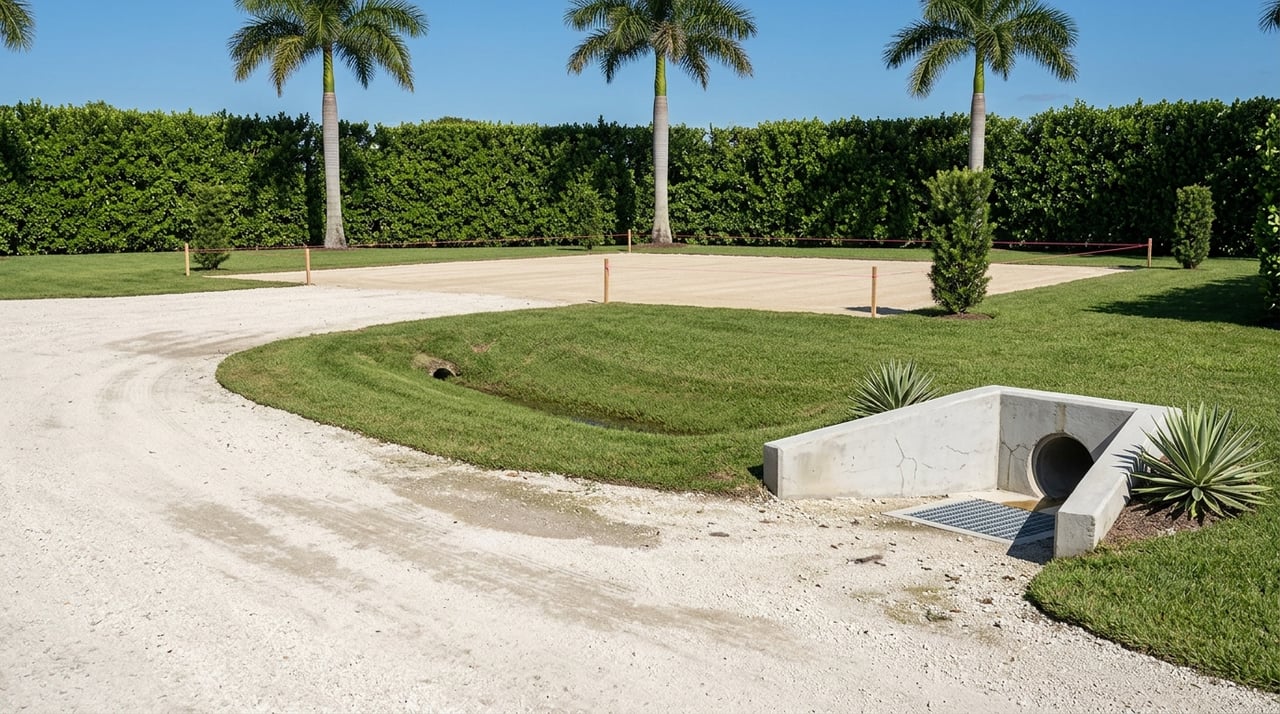
In Wellington, drainage is not a side issue. The Village identifies high hydrologic variation, low physical relief, and limited storage and conveyance capacity as part of the area’s flooding challenges. It also notes that sedimentation, debris, and overgrowth can reduce drainage capacity and increase flood risk.
For a land buyer, that means flood mapping belongs in the first round of due diligence. Wellington directs property owners and buyers to review Village flood maps, FEMA flood maps, and to work with the floodplain manager to determine whether a parcel is in a flood zone or vulnerable to stormwater issues.
This step can affect both design and long-term carrying costs. If a property is in the Special Flood Hazard Area, mandatory flood-insurance purchase rules may apply. It can also influence how you approach grading, structure placement, and site improvements.
Site work can trigger engineering review
If your project needs fill, grading, excavation, paving, drainage work, culverts, or irrigation connections, Wellington’s permit process may require engineering review. Plan sets may need elevations, flow arrows, storm and drainage calculations, and stormwater pollution prevention information.
Depending on the site, approvals may also need to be verified with agencies such as the South Florida Water Management District, the Lake Worth Drainage District, the Florida Department of Environmental Protection, the Florida Department of Transportation, or the Army Corps of Engineers. That is one reason experienced local guidance matters on Wellington land.
Confirm utilities parcel by parcel
Do not assume utility access is the same from one parcel to the next. Wellington Utilities serves a large local area, while Acme also notes that it owns and operates water and wastewater utility service for most Wellington residents and contiguous areas.
For a buyer, the key point is simple: utility availability and connection paths should be confirmed for the specific parcel. That can affect project timing, engineering scope, and budget.
This is especially important on raw or lightly improved land. A beautiful site may still require more infrastructure coordination than expected before a custom build can move forward.
Plan for manure handling and waste layout
Waste storage is part of the site plan, not an afterthought. Wellington states that livestock waste must be containerized, covered, and kept out of stormwater discharges. Acme adds that approved storage areas need an impermeable floor, sidewalls on three sides, and specific setbacks from drainage conveyances, water bodies, and potable-water wells.
Wellington also states that manure cannot be placed in the Village garbage container and must be removed through approved waste-hauling arrangements. For a custom equestrian property, that means the waste area needs a workable location from day one.
A well-planned layout should allow for clean service access while keeping the facility organized and efficient. On many parcels, this requirement can influence barn placement, circulation routes, and the overall design balance between horse areas and residential areas.
Understand when agricultural status may matter
Some buyers assume agricultural land is always easier to improve. In Palm Beach County, some bona fide agricultural uses may qualify certain nonresidential farm buildings, fences, and signs for exemption from parts of the Florida Building Code and local code or fee requirements. However, floodplain-management provisions still apply, and the property must be classified as agricultural by the Property Appraiser.
That means agricultural status can be relevant, but it should never be treated as a shortcut. Whether a property qualifies, and how that affects your plans, needs to be reviewed carefully in the context of the actual parcel and intended use.
A practical due diligence roadmap
If you are seriously evaluating Wellington land for a custom equestrian build, a structured process can help you make cleaner decisions.
1. Verify planning and map data
Confirm the parcel’s future land use, zoning, EOZD subarea, and position within the Equestrian Preserve Area. This should happen before you rely on marketing language or preliminary sketches.
2. Order the right surveys early
A boundary survey is essential, and raw or lightly improved land may also need a topographic survey early in the process. These documents help define real dimensions, elevations, and constraints before design assumptions take hold.
3. Test the concept with a civil engineer
Bring in a civil engineer before finalizing your build concept. In Wellington, grading, swales, drainage connections, utility routing, and access can all affect whether a plan stays simple or moves into a more involved review path.
4. Add equestrian design specialists
A barn designer or equestrian contractor can help pressure-test the layout. That is especially valuable when you are balancing arena size, barn orientation, turnout, storage, and trailer movement on a constrained envelope.
5. Review flood and insurance impacts
If the parcel falls in a flood zone, it is wise to understand the practical insurance implications before moving ahead. That review can affect both cost expectations and the design approach.
6. Clarify approval needs early
If the project involves assemblage, subdivision, utility work, drainage connections, or extensive site work, the approval path may be more complex. Knowing that upfront helps you evaluate timeline risk before you commit.
What sophisticated buyers get right
Experienced equestrian buyers usually approach Wellington land with a different mindset. They do not just ask whether a parcel is beautiful or well located. They ask whether the land can support the exact facility they want to build, with realistic circulation, compliant setbacks, workable drainage, and a sensible path to approvals.
That is the difference between buying land and buying a viable plan. In Wellington, the strongest opportunities are often the parcels where zoning, access, floodplain conditions, utilities, and farm functionality all line up.
When you evaluate land this way, you protect both your budget and your long-term use of the property. You also give your design team a better foundation from the start.
If you are considering a custom equestrian build in Wellington, working with an advisor who understands both the transaction side and the practical farm side can make the search much more efficient. For a discreet, technically informed conversation about Wellington equestrian land, connect with Matt Johnson.
FAQs
What should you evaluate first on Wellington equestrian land?
- Start with the parcel’s future land use, zoning, EOZD subarea, and position within the Equestrian Preserve Area, because those rules shape what can actually be built.
Can any acreage in Wellington become an equestrian farm?
- No. The parcel’s future land use, zoning, and EOZD rules determine whether equestrian improvements are allowed and how they must be sited.
Why does lot size matter less than buildable area in Wellington?
- Setbacks and separation requirements can reduce the usable envelope, so two parcels with similar acreage may support very different layouts.
Why is drainage such a major issue for Wellington land buyers?
- Wellington identifies flooding and drainage as ongoing local infrastructure concerns, and many grading or drainage-related improvements may require engineering review.
Do Wellington equestrian parcels all have the same utility access?
- No. Utility availability and connection paths should be confirmed for each parcel rather than assumed across the market.
What should you know about manure storage on a Wellington farm site?
- Livestock waste must be containerized, covered, kept out of stormwater discharges, and handled through approved waste arrangements, so the storage area needs to be planned into the site layout.