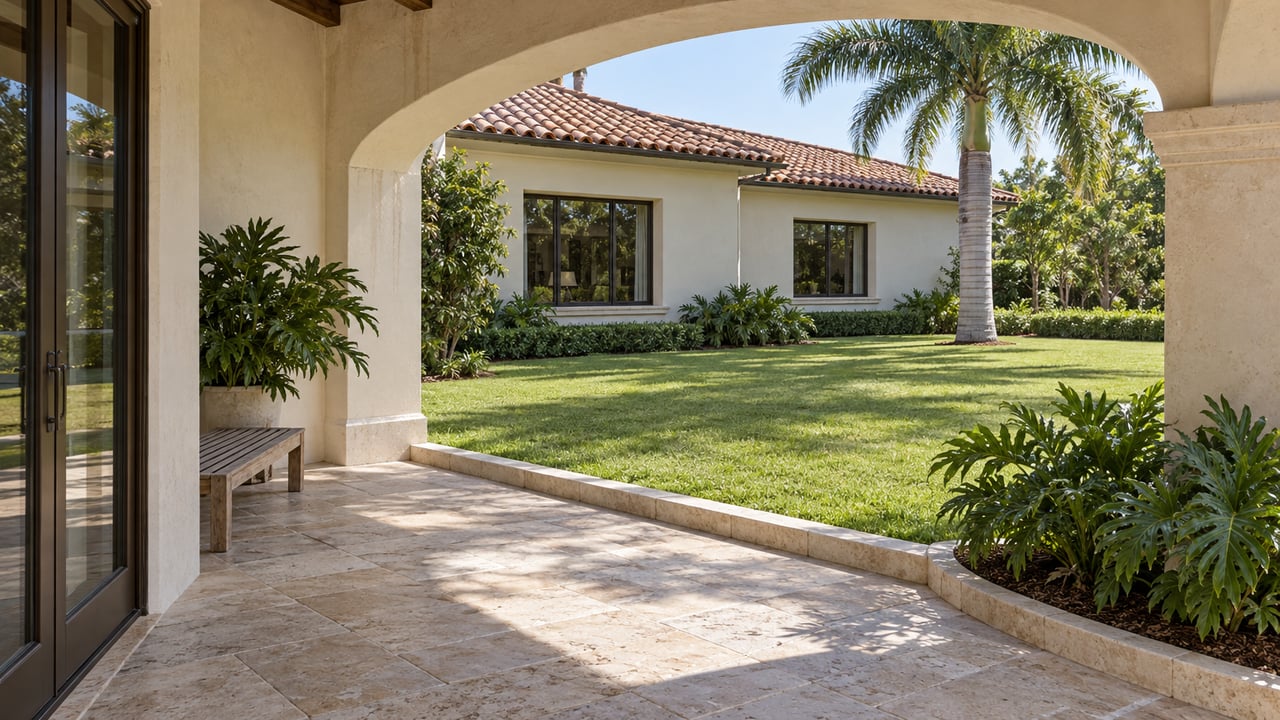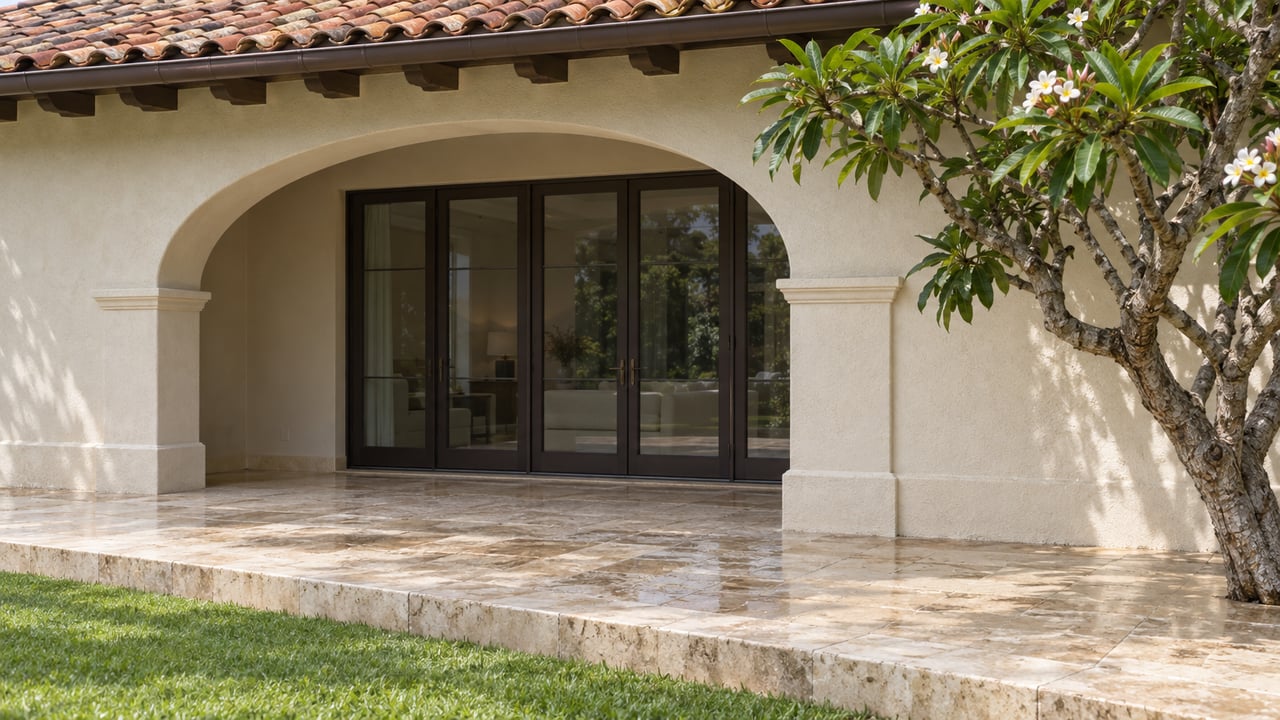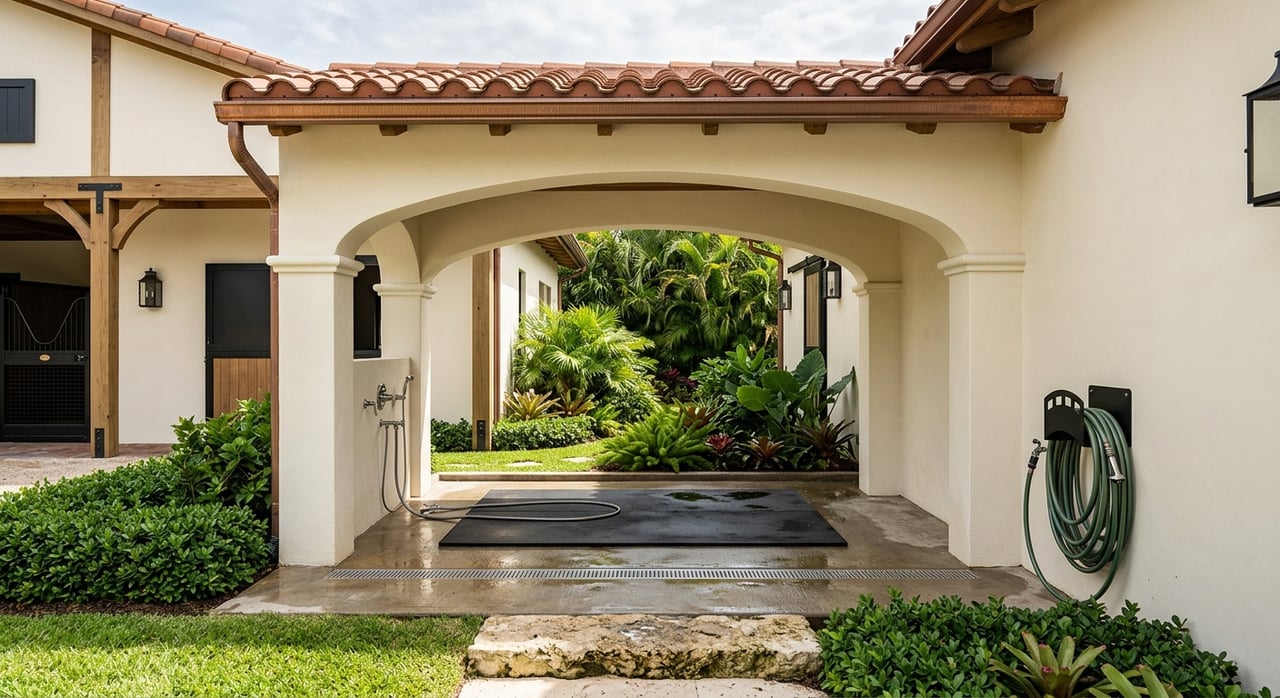
If you are preparing to sell an equestrian property in Wellington, you are not just listing a luxury home. You are presenting a residence, a horse facility, and an operating environment that buyers will evaluate with a very trained eye. The good news is that the right preparation can strengthen first impressions, reduce friction during showings, and help your property read as professionally maintained from the front gate to the far paddock. Let’s dive in.
Why Wellington prep requires more
Wellington is a unique market shaped by year-round equestrian activity. The Village of Wellington notes that the area is home to an international equestrian community with more than 57 miles of trails, and Wellington International identifies the village as a premier destination for elite equestrian sport.
That context matters when you sell. Buyers in this market often assess the property as both a home and a working farm, which means your prep needs to go beyond standard luxury staging.
The local event calendar also raises the bar. Wellington’s official schedule shows heavy show activity from November through April, with major winter competition from January through March and continued activity at Equestrian Village through much of the rest of the year.
Preparation also has measurable value. In the National Association of Realtors 2025 staging report, 83% of buyers’ agents said staging made it easier for buyers to picture a future home, 29% of sellers’ agents reported a 1% to 10% increase in dollar value offered, and 49% said staging reduced time on market.
Start with whole-property presentation
Before buyers focus on footing, drainage, or stall layout, they react to the overall feel of the property. That is why decluttering, cleaning, and curb appeal matter so much at the start.
The same 2025 staging report found that the most commonly recommended seller improvements were decluttering, whole-home cleaning, and curb appeal work. On an equestrian property, that extends well beyond the house to include tack rooms, feed rooms, wash stalls, storage spaces, trailer parking, and service areas.
Think about the property as a complete visual experience. Your gate, driveway, barn front, paddock edges, and arena borders all contribute to whether the farm feels polished and premium.
Focus on first impressions
In Wellington, first impressions often begin before a buyer steps inside. Palm-lined approaches, clean fencing, tidy barn exteriors, and organized turnout areas can signal care and professionalism right away.
This matters because buyers are often comparing multiple high-value properties with similar square footage or acreage. A property that feels orderly and intentional from the start tends to inspire more confidence.
Present barns and arenas like premium assets
A Wellington buyer will likely spend real time evaluating your equestrian infrastructure. Barns, arenas, aisles, and wash areas should feel safe, efficient, and ready for use.
UF/IFAS guidance for horse-event facilities recommends inspecting for loose boards, exposed nails, uneven footing, roots or stumps in riding areas, and other hazards. It also advises keeping barn aisles clear and arena footing free of rocks or other hazardous materials.
These are practical maintenance items, but they also affect how the property shows. A buyer who sees a clean aisle, orderly stall fronts, and consistent footing is more likely to view the facility as well managed.
Barn checklist before listing
- Remove unnecessary items from barns and aisles
- Repair loose boards, latches, and visible hardware issues
- Clear out exposed nails or sharp edges
- Organize tack, feed, and storage rooms
- Clean wash racks and surrounding drainage areas
- Refresh stall fronts, aisle lighting, and door appearance
Arena and riding area priorities
- Check footing for rocks, holes, roots, or uneven spots
- Trim edges and clean borders around the ring
- Remove unused jumps, standards, or equipment if they create clutter
- Make sure entry and exit paths are simple and safe
- Present warm-up and riding areas as clean, usable spaces
Improve paddocks, pasture, and drainage
Paddocks do more than provide turnout. They show buyers how the property functions day to day and whether the farm appears actively managed.
UF/IFAS pasture guidance notes that rotational grazing supports rest and regrowth, improves forage use, and helps prevent thin, weed-prone pasture. Their guidance also recommends avoiding grazing below about 3 inches and mowing paddocks after horses are removed while keeping the cut above 3 inches.
For sellers, the takeaway is simple. Paddocks should not look overgrazed, patchy, or neglected if you want the property to present as a premium operation.
What buyers notice in turnout areas
Buyers often notice these details quickly:
- Grass coverage and overall condition
- Evidence of drainage problems or muddy zones
- Fence condition and gate function
- Shade and water access
- Whether turnout areas look intentionally managed
Drainage is especially important in Florida. UF/IFAS hoof-health guidance says living areas should be kept dry and clean, and overexposure to moisture can contribute to hoof problems and lameness.
That means wet turnout, puddled gate areas, or chronically muddy paths can undermine the impression of a well-run property. Even small drainage fixes and surface cleanup can make a visible difference before photography and showings.
Clean up landscaping and fence lines
Landscaping around an equestrian property should feel attractive, controlled, and practical. It should support the look of the farm without creating safety or maintenance concerns.
UF/IFAS also advises that toxic pasture and landscape plants should be removed or fenced off if discovered. From a listing standpoint, that means fence-line landscaping should look intentional and tidy, but not create avoidable risk in horse-accessible areas.
Keep this part simple and disciplined. Trim overgrowth, define edges, remove dead material, and make sure plantings do not distract from paddocks, barns, or views across the property.
Handle manure and service areas carefully
On an equestrian property, manure management is not a background issue. It affects presentation, odor, fly pressure, and local compliance.
The Village of Wellington’s manure best-practices guidance says owners should map important site features such as buildings, fences, property boundaries, septic systems and drain fields, wells, wetlands, and ponds. The same guidance states that livestock waste within Wellington must be removed through a permitted and registered commercial hauler or self-hauler, or managed through composting with a nutrient-management program, with disposal at approved sites.
That makes manure handling both a visual showing issue and a local operational issue. A clean, well-managed setup helps buyers see the property as responsibly operated.
UF/IFAS adds useful context here: one 1,000-pound horse produces about 35 to 50 pounds of manure per day, or roughly 9.1 tons per year. It also notes that unmanaged manure can create odor, fly pressure, and runoff concerns, while well-managed composting can reduce volume by as much as 40%.
Service area cleanup list
- Remove manure piles from visible showing routes
- Clean and organize mucking zones
- Tidy utility corners and storage pads
- Clear old bedding, broken tools, and unused containers
- Make trailer parking look deliberate and open
- Reduce odor sources before photography and tours
Reduce flies, mosquitoes, and standing water
Few things distract buyers faster than insects around the barn. Flies and mosquitoes can make a property feel less comfortable and less carefully maintained.
UF/IFAS mosquito guidance for horse properties says water-holding containers should be dumped out, stored away, or drilled for drainage. It also says buckets and troughs should be dumped, cleaned, and refilled regularly, at least every three days.
Florida horses face mosquito exposure year-round, so this is not a seasonal detail you can ignore. Before showings, walk the property and remove old buckets, tires, puddle-prone items, and anything else that collects water.
Create a smooth showing plan
Showing an equestrian property is more complex than showing a traditional home. You need a plan for horse movement, buyer flow, staff roles, and timing.
UF/IFAS disaster-preparedness guidance says horses should be kept as calm, clean, and dry as possible, and that stress and poor hygiene can increase susceptibility to disease. It also recommends avoiding shared water, feed, or equipment when possible and cleaning buckets used between horses.
For listing preparation, that supports a simple rule: do not improvise on showing day. Assign one person to horse logistics and another to buyer movement so the experience feels calm and controlled.
Showing-day best practices
- Decide where horses will be during the showing
- Keep grooming and turnout plans simple
- Limit unnecessary movement around buyers
- Assign clear roles for staff or handlers
- Keep barn aisles open and easy to navigate
- Make sure buyers can tour key areas without disrupting routines
Plan around heat and storm season
Wellington sellers also need practical weather contingencies. Florida’s climate can affect both horses and showing logistics on short notice.
UF/IFAS says hot, humid conditions can cause dehydration, anhidrosis, heat stroke, and electrolyte imbalance in horses. Their guidance recommends shade, clean water, fans, hose-downs, and scheduling work in cooler early-morning or later-day periods during hot months.
Storm planning matters too. NOAA states that Atlantic hurricane season runs from June 1 through November 30, and UF/IFAS disaster guidance recommends maintaining a 3- to 7-day supply of feed, water, and medications, checking trailer and truck condition, and removing free or unnecessary barn items that could become flying debris.
A property that can be secured quickly and shown with a clear weather plan tends to inspire more trust. Buyers in this market often understand the realities of Florida ownership, so visible preparedness can be a quiet advantage.
Time your listing around Wellington activity
Wellington’s competition calendar can influence traffic, access, and showing convenience. Major equestrian events bring steady trailer movement, visitors, and seasonal demand patterns that can affect how buyers experience the area.
Because of that, showing schedules should account for local traffic flow and likely access windows, especially if your property is near major equestrian routes or competition venues. In some cases, the best showing strategy is not just about the property itself, but about when buyers can reach and tour it with minimal friction.
Think like a buyer and operator
The strongest Wellington listings are prepared with two audiences in mind. A buyer wants the property to feel beautiful, but they also want it to feel functional, safe, and intelligently run.
That is why the best prep plan usually follows a clear order:
- Declutter and deep-clean the entire property
- Repair visible hazards and deferred maintenance
- Improve paddock condition, drainage, and fence lines
- Manage manure, odor, insects, and standing water
- Create a showing plan for horses, staff, and weather
These steps help your property show as more than attractive. They help it communicate competence, care, and readiness, which can be especially important in Wellington’s high-expectation equestrian market.
If you are preparing to sell a Wellington equestrian property and want a strategy that respects both the lifestyle and the technical details, Matt Johnson offers discreet, informed guidance tailored to premium farms, estates, and equestrian assets.
FAQs
What should sellers fix first on a Wellington equestrian property?
- Start with visible safety and maintenance issues such as loose boards, exposed nails, uneven footing, cluttered barn aisles, drainage trouble, and neglected service areas.
How important is barn presentation when selling a Wellington horse property?
- Barn presentation is very important because buyers often evaluate the property as both a residence and a working horse facility, so cleanliness, order, and functionality can shape value perception.
What does Wellington require for manure handling on horse properties?
- Wellington states that livestock waste must be removed through a permitted and registered commercial hauler or self-hauler, or managed through composting with a nutrient-management program and disposed of at approved sites.
How can sellers reduce flies and mosquitoes before equestrian showings?
- Remove standing water, dump or store water-holding containers, and clean and refill buckets and troughs regularly, at least every three days, based on UF/IFAS guidance.
When is the best time to plan showings for a Wellington equestrian property?
- Showings should be planned around horse routines, weather conditions, and Wellington’s active competition calendar so buyers can tour the property safely and with minimal traffic or operational disruption.