If you are drawn to Wellington for its equestrian energy and refined lifestyle, the architecture you choose will shape how you live, host, and ride every day. You want a home that welcomes guests, works for your horses, and handles South Florida’s climate with ease. In this guide, you’ll learn how four luxury styles common to Wellington estates perform in the real world, from barn placement and guest flow to wind codes and drainage. Let’s dive in.
Why Wellington design choices matter
Wellington is a global equestrian center anchored by world-class events, including the Winter Equestrian Festival and dressage circuits. This creates year-round demand for purpose-built barns, arenas, and estate layouts that support top-level sport and visitor hospitality. You can explore the caliber of the scene through the hub that is Wellington International.
Local zoning also guides what you can build and where. The Village’s Equestrian Overlay Zoning District sets rules for barn size, number of structures, and use. Review the Equestrian Overlay Zoning District regulations early, especially if you plan grooms quarters, multiple barns, or an arena expansion.
South Florida’s climate and building codes influence material choices, window systems, and roof connections. The Florida Building Code 2023 updates emphasize wind loads and wind-borne debris, which is why you see impact-rated glazing, engineered connectors, and robust roof tie-downs specified across premium estates. Flood risk also matters in Palm Beach County. Check the FEMA Flood Map Service Center and plan for proper grading, arena base construction, and barn floor elevation.
Mediterranean estates
Character and curb appeal
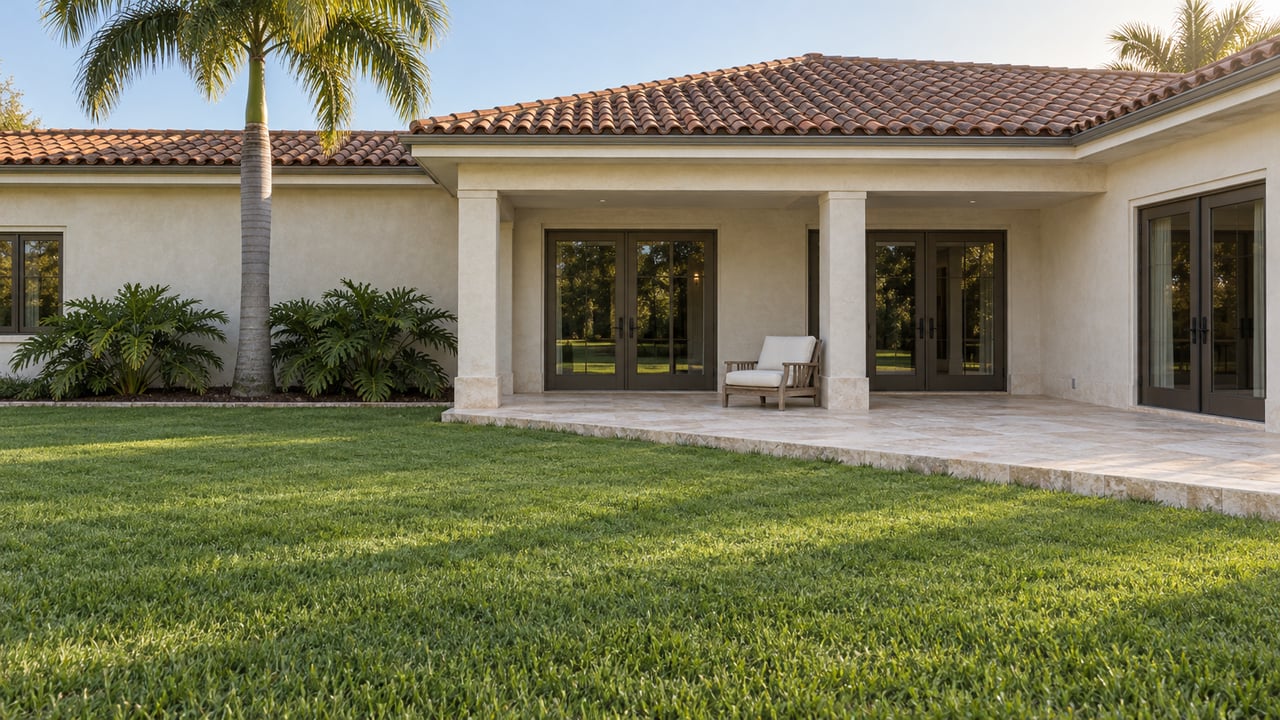
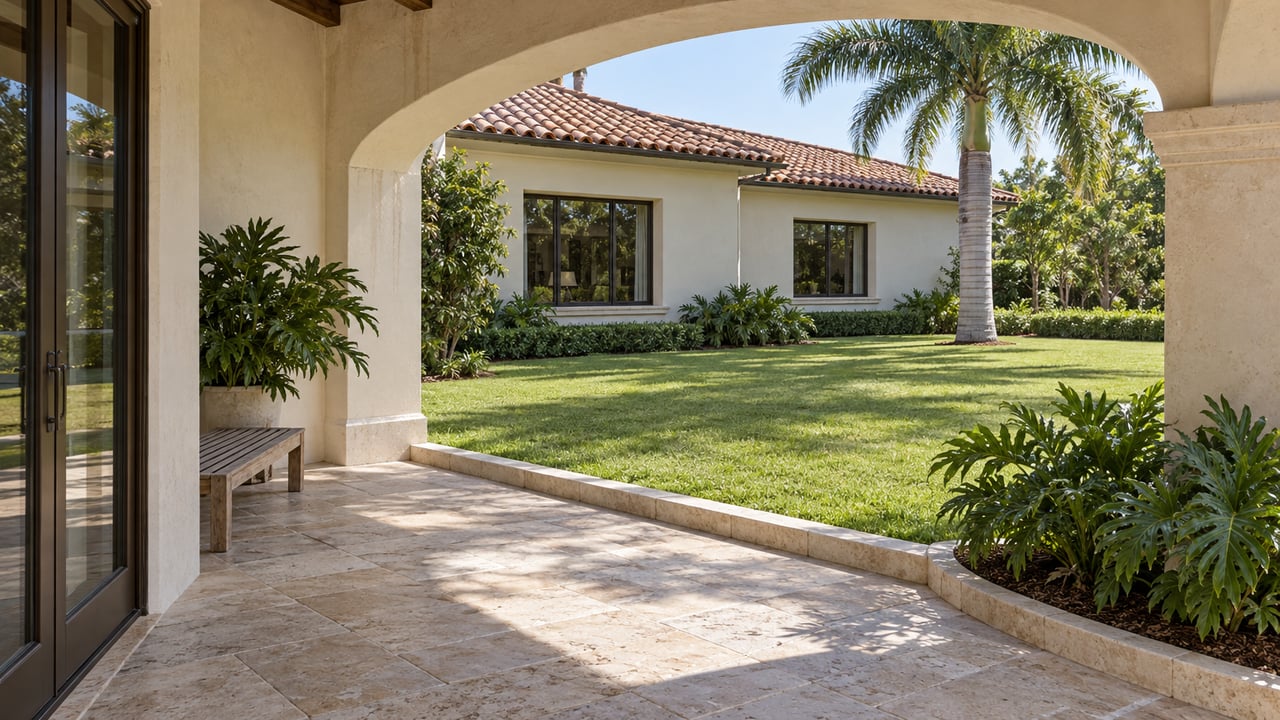
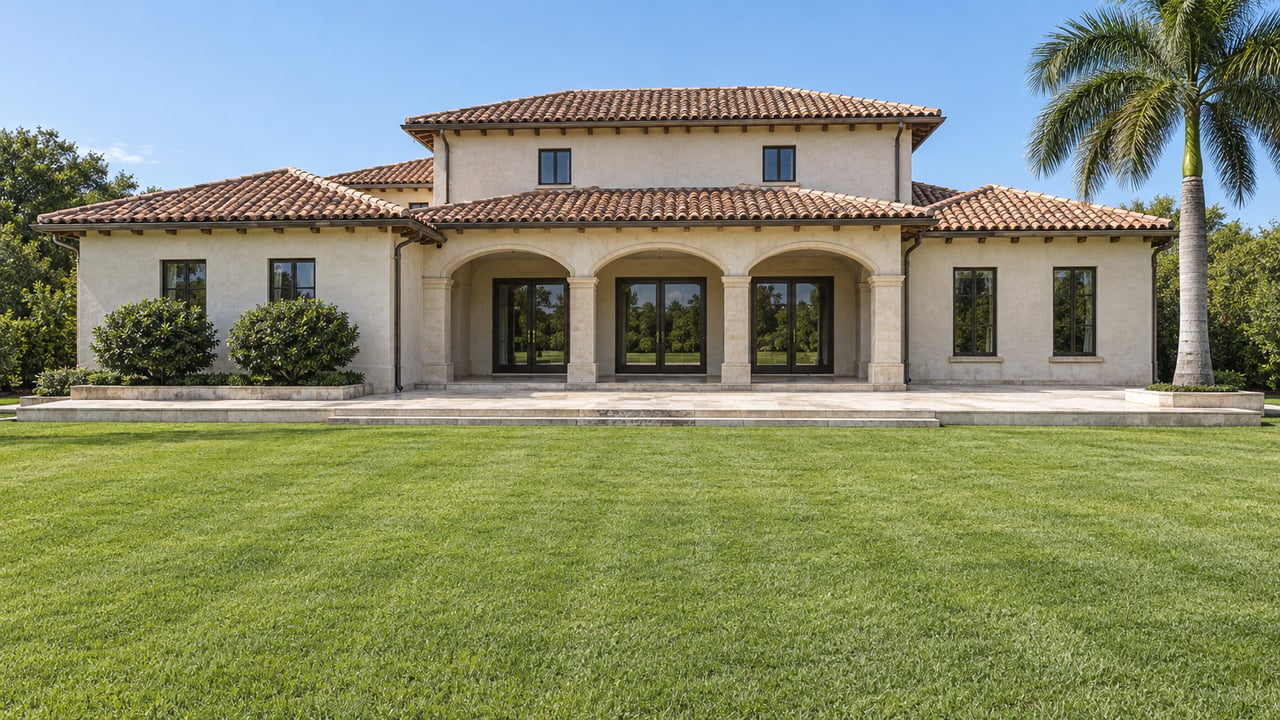
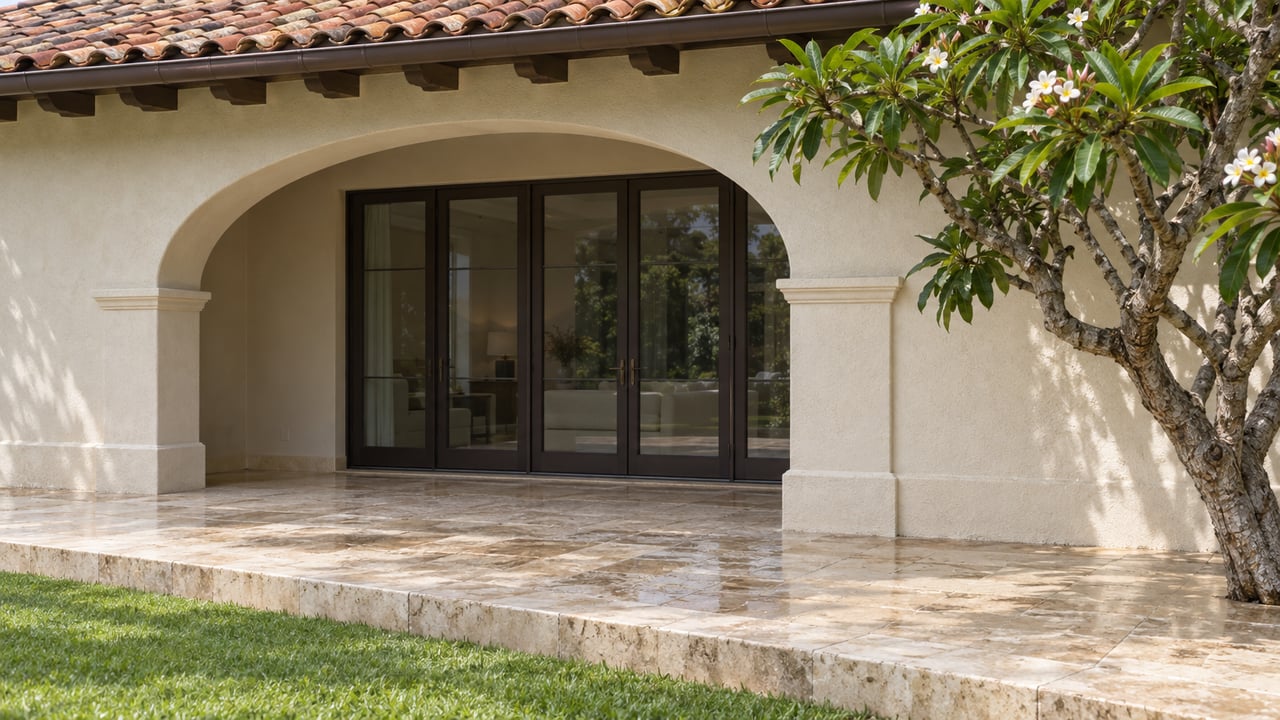
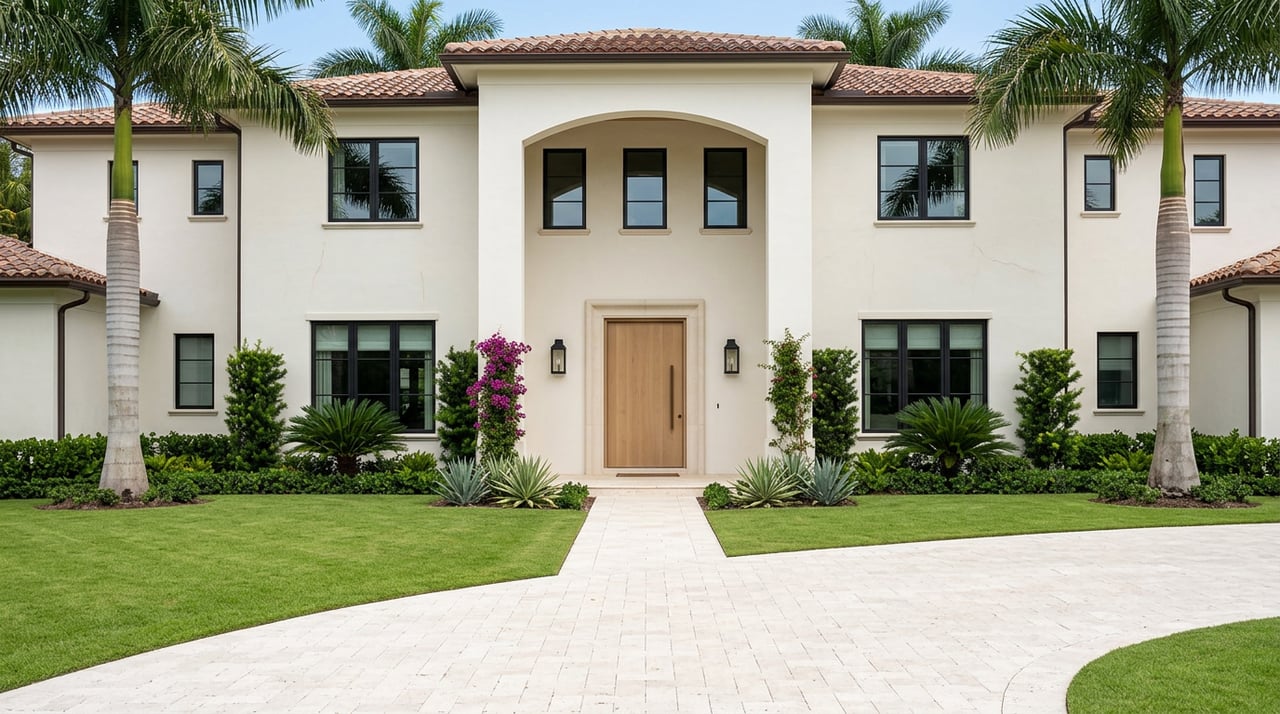
Mediterranean and Mediterranean Revival homes feel right at home in Palm Beach County. Signature features include stucco walls, low-pitched terracotta tile roofs, arched openings, and inviting courtyards and loggias. This language is synonymous with resort-style living and encourages a graceful indoor and outdoor flow, as outlined in this overview of Mediterranean architecture.
Materials and code performance
In Wellington, Mediterranean estates often use concrete block or masonry with thick stucco and heavy clay tile roofing. These assemblies perform well in heat and humidity when detailed for water management and anchored for high winds. Expect engineered roof-to-wall connections, attention to flashing, and drainage that aligns with Florida’s code environment.
Horses, guests, and entertaining
Mediterranean compounds excel at formal entertaining. Courtyards, shaded terraces, and covered loggias create elegant rooms outdoors. The main house and service wings can be arranged to deliver a grand arrival and smooth guest circulation while keeping barns, paddocks, and arenas on the perimeter. Separate routes for vehicles and horses help daily operations run quietly behind the scenes.
Transitional homes
Signature look
Transitional design blends traditional balance with clean, modern lines. You’ll see neutral palettes, simplified classical details, and larger windows that bring in light and provide garden and paddock views. The goal is to sit comfortably between formal and contemporary, as described in this primer on transitional architecture.
Build details in Wellington
Transitional exteriors often pair painted stucco or light brick with dark-framed modern window systems. Large sliders or folding walls connect indoor living to covered lanais. Impact-rated glazing and thoughtful shading keep interiors comfortable and compliant with local code expectations.
Estate flow for horses and guests
Transitional plans shine when you want flexible spaces. Open kitchens with large islands, multifunction rooms that adapt to the season, and generous covered outdoor living make it easy to host both clients and friends. You can also create clear public and service paths with a dedicated staff or mudroom entry near the barn side of the house.
Modern farmhouse style
South Florida take
The modern farmhouse look brings warmth and ease to estate living. Think gabled roofs, board-and-batten or painted siding, airy kitchens, and big porches that cue relaxed gatherings. In South Florida, the palette tends to be light and fresh, with expanded glazing and lanais, which aligns with this overview of farmhouse style.
Materials and durability
To stand up to humidity and insects, you often see fiber cement or engineered siding in place of wood. Standing-seam metal roofs are common for longevity. Impact glass or shutters, well-detailed eaves, and termite-conscious detailing round out a resilient build.
Equestrian living benefits
Modern farmhouse is a natural fit for working farms and family-forward equestrian life. Wide porches and lanais create easy gathering zones after rides. Inside, large islands and connected living spaces make casual entertaining simple. Mudrooms and adjacent laundry areas keep boots, tack, and daily gear moving without crossing your main entertaining zones.
Contemporary barn and barndo
Design language
Contemporary barn architecture borrows the clean geometry and volume of agricultural buildings and refines them with modern materials and big openings. You might see dark cladding, simple gables, large sliders, and lofts or clear-span interiors. These choices are often informed by best practices in horse stable and arena design.
Materials and systems
Clear-span metal or engineered timber structures can deliver large, open barn or arena spaces. Insulated panels, corrosion-resistant cladding, and mechanical ventilation help manage heat and humidity. Ridge vents and well-planned soffit inlets support passive airflow while insulated tack and feed rooms protect equipment and supplies.
Integrated entertaining and viewing
One of the biggest advantages of this style is proximity to the action. Viewing mezzanines, barn lounges, and guest apartments above stalls create social hubs that look into the arena or schooling ring. Staff quarters, tack, feed storage, and hospitality can live in one coordinated footprint while preserving safe horse circulation.
Equestrian spaces that drive design
Stalls, tack, aisles, and arenas
For private and competition barns, 12-by-12-foot stalls are common, with larger 12-by-20 or 12-by-24 options for mares with foals or stallions. A tack room around 10-by-10 to 12-by-12 feet per small stall cluster is typical, and center aisles of 12 feet or more keep horses and equipment moving safely. These dimensions align with practical guidance on planning stall barns and arena design standards, including 20-by-60-meter dressage arenas for competition and 20-by-40 meters for schooling.
Ventilation and hay storage
In warm climates, passive ventilation is your friend. Soffit and ridge vents, cupolas, and overhangs help air move through the barn without excessive mechanical load. Avoid storing bulk hay above stalls, and keep feed and hay in separate, ventilated spaces for dust, mold, and fire safety, as emphasized in the stable and arena design guidance.
Site layout and drainage
Wellington’s flat terrain and fluctuating water table make drainage planning essential. Build arenas on engineered bases with sub-drainage and perimeter swales. Set barns on slightly raised pads with positive drainage away from foundations, and rotate paddocks to prevent standing water and hoof issues. Larger grading or water changes may require coordination with local water control districts.
Landscape choices for horse safety
Your planting plan should be beautiful and safe for horses. Work from regionally vetted lists and remove any toxic species near paddocks and pastures. The University of Florida IFAS maintains a helpful list of plants toxic to horses that you can use as a starting point with your landscape team.
Choosing your best fit
- If you favor formal entertaining with defined guest suites and elegant outdoor rooms, Mediterranean often leads the shortlist.
- If you want flexible interiors that bridge formal and casual living, transitional checks the boxes.
- If you prefer a relaxed, family-forward feel with easy barn adjacency, modern farmhouse is a natural choice.
- If you want to integrate viewing and social spaces right at the barn or arena, a contemporary barn or barndo approach delivers.
Whatever the style, plan service and guest circulation early. Define where deliveries, trailers, and staff will enter and park. Give guests a gracious, direct path to the house and outdoor living areas while keeping horse movement safe and uninterrupted.
Quick buyer checklist for Wellington estates
- Confirm whether the property sits inside the Equestrian Overlay and what barn and accessory structures are permitted under the EOZD rules.
- Check FEMA flood designation through the FEMA Flood Map Service Center. Ask for any Elevation Certificates.
- Verify wind-design requirements and product approvals tied to the Florida Building Code 2023 updates.
- Inspect barn specs: stall sizes near 12-by-12 feet, aisle widths around 12 feet, dedicated tack and feed rooms, separate hay storage, and proper wash and utility spaces, based on practical barn guidelines.
- Confirm arena dimensions, footing, and sub-base drainage. Ensure doors accommodate equipment and trailer access as outlined in the arena design standards.
Work with a trusted local advisor
Selecting an architectural style is more than an aesthetic decision in Wellington. It defines how your estate functions through show season, how you host clients and friends, and how your property performs in wind, rain, and sun. If you want measured advice grounded in equestrian experience and luxury market reach, connect with Matt Johnson to discuss your plans and inventory across Wellington and Palm Beach County.
FAQs
What styles work best for dressage-focused Wellington estates?
- Mediterranean and transitional homes offer refined guest flow with perimeter space for 20-by-60-meter arenas, while contemporary barn designs can add viewing lounges and mezzanines near training areas.
How do Florida wind codes affect windows and doors in Wellington?
- The Florida Building Code requires impact-rated glazing or protection and engineered roof and wall connections, so product selection and detailing are part of your early design budget and schedule.
What barn sizes and aisle widths should I look for when buying?
- Look for stalls around 12-by-12 feet, with 12-foot or wider aisles and dedicated tack and feed rooms; larger stalls are helpful for foaling or stallions.
How do flood zones change barn and arena design in Palm Beach County?
- Flood status can drive floor elevations, arena base build-up, and drainage swales; always confirm FEMA mapping and plan grading to move water away from structures and riding surfaces.
Can I include grooms quarters in my Wellington estate under local rules?
- Yes, but grooms quarters must comply with the Equestrian Overlay Zoning District and cannot be used to satisfy the primary residential unit requirement; confirm details with the Village before you build.