If you are thinking about living near Wellington International and the nearby polo grounds, you are probably asking a very specific question: what does daily life actually feel like there? This part of Wellington is not just another residential area. It is a specialized equestrian setting with its own pace, property types, and seasonal rhythm. In this guide, you will get a clear picture of what it means to live nearby, what changes during show season, and what to consider before you buy or sell. Let’s dive in.
Why this area feels different
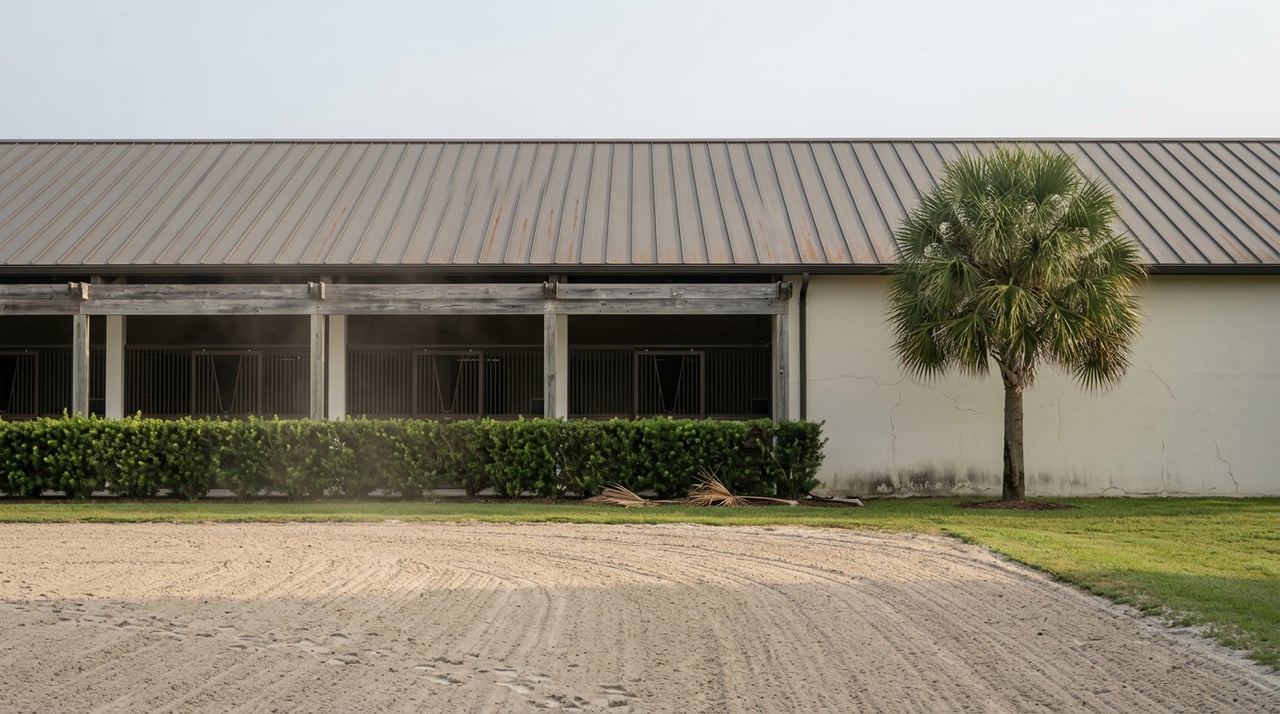
Wellington’s equestrian community covers about 9,000 acres in the western and southern parts of the village within the Equestrian Preserve Area, or EPA. This area includes Wellington International, the National Polo Center, bridle trails, and a mix of horse farms and equestrian facilities. Development in the EPA is regulated through the Equestrian Overlay Zoning District, which helps preserve the area’s equestrian character.
That structure matters if you are comparing this area with other parts of Palm Beach County. Wellington is a full-service municipality with an estimated 61,836 permanent residents across 46 square miles, but the equestrian core has a very different feel from a typical suburban neighborhood. You get a blend of residential living, horse activity, venue access, and specialized land use that is unusual in South Florida.
Wellington International and polo are not the same
One of the most common points of confusion is the phrase “living near the polo grounds.” In local conversation, people sometimes use that as shorthand for the broader equestrian area, but the venues are separate. Wellington International hosts hunter/jumper competitions and dressage events, while the National Polo Center is the polo facility.
That distinction is useful when you are choosing where to live. Your ideal location may depend on which discipline matters most to you, how often you plan to attend events, and whether you want direct venue access or simply want to enjoy the atmosphere of the area.
What the seasonal rhythm looks like
Show season brings the most activity
The Village of Wellington says the equestrian season generally runs from November through April. Wellington International’s biggest event, the Winter Equestrian Festival, takes place from January through March, and the Adequan Global Dressage Festival runs during the same winter period. The venue also hosts year-round hunter/jumper shows beyond the peak season.
For residents, that means late fall through early spring is usually the busiest stretch. You will likely notice more traffic, more spectators, and more parking activity around the venues. Shows at Wellington International typically run Thursday through Sunday, generally from 9 a.m. into the late afternoon, with additional evening activity tied to events like Friday Night Stars and Saturday Night Lights.
Summer usually feels calmer
While the equestrian venues remain active year-round, the atmosphere often shifts outside the main season. Summer and shoulder months tend to feel more residential and less event-driven. If you prefer a quieter day-to-day environment but still want access to the equestrian setting, that seasonal change can be an important part of your decision.
What kinds of homes are nearby
You do not have to live on a farm
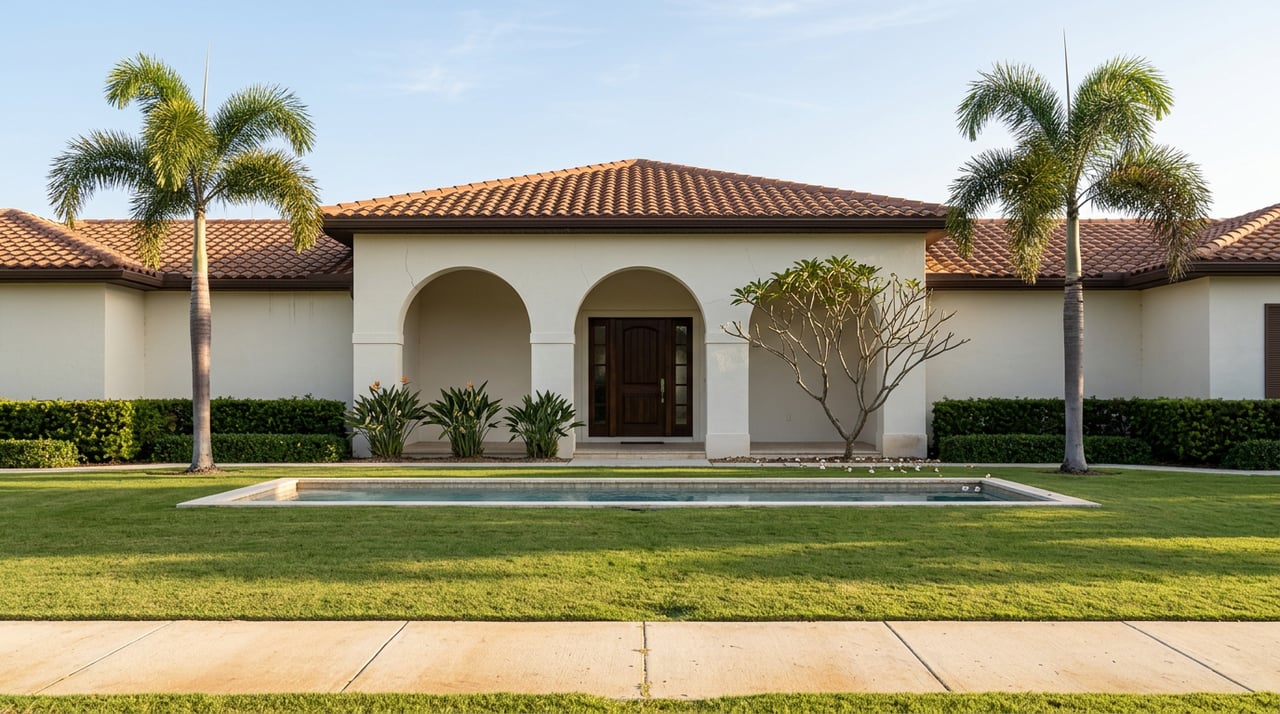
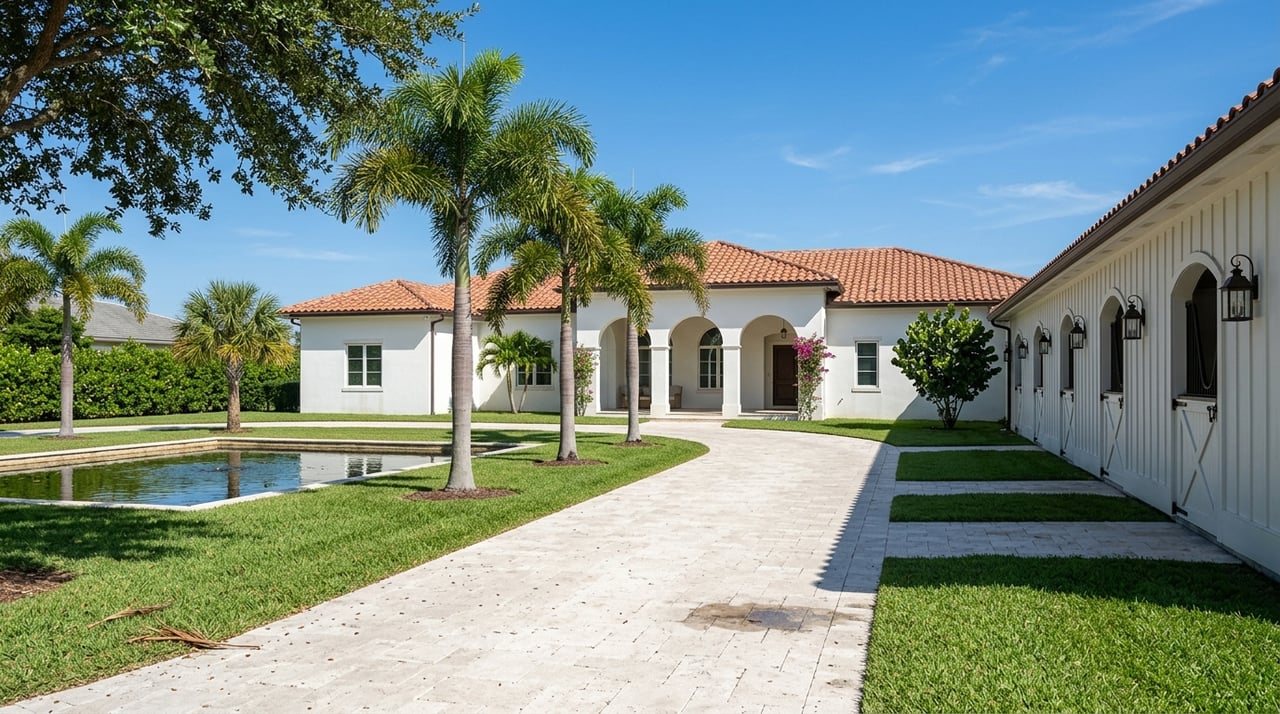
Living near Wellington International or the polo grounds does not automatically mean living on horse property. Wellington’s housing mix is broad. According to the village’s annual report, north of Pierson Road you can find everything from apartments to estate homes at the Polo Club, along with townhomes and even hangar homes at the Aero Club.
South of Pierson Road, the landscape shifts more toward equestrian uses. That area includes horse farms, agriculture, nurseries, and large estates, including multi-million-dollar 80-acre properties. The result is a local market with a wide range of options, from seasonal lock-and-leave residences to substantial equestrian compounds.
Equestrian neighborhoods vary by layout and use
Village planning documents reference equestrian neighborhoods and areas such as Palm Beach Point, Southfields, Grand Prix Farms, Mallet Hill, and Equestrian Club Estates. These areas can include estate lots, small farms, custom homesites, and townhomes for both seasonal and full-time residents. In practical terms, housing, barns, and venue access are often closely connected in this part of Wellington.
If you are a buyer, that means it helps to think beyond square footage alone. Access patterns, lot configuration, nearby trail connections, and the relationship between the home and equestrian infrastructure can all shape how a property functions for you.
Horse property sizes can differ a lot
If you are specifically looking at farms, Wellington reports that horse properties can range from 1 acre to 200 acres, with 2-acre and 5-acre farms being the most common sizes. Horse density near the major equestrian venues can also vary significantly, from about 4 horses per acre to as many as 50 horses per acre on surrounding farms.
That range shows why local knowledge matters in this market. Two properties may both be close to the showgrounds, yet offer very different layouts, operating intensity, and day-to-day logistics.
Daily life near the venues
Trails are part of the lifestyle
A major feature of Wellington’s equestrian area is trail access. The village says it has maintained more than 100 miles of public and private bridle trails since 1999, while another official village page cites more than 57 miles of trails. Those are different official counts, but both point to the same takeaway: trail infrastructure is a meaningful part of daily life here.
This can shape how you move through the area and how connected a property feels to the surrounding equestrian community. Acme Improvement District also notes that Wellington maintains bicycle and pedestrian pathways along with equestrian bridle trails across the district.
Some areas support non-car access
A planning narrative for Wellington South notes that some residents can use bridle trails, golf cart access, and pedestrian connections to reach showgrounds and equestrian amenities. That is not true in every neighborhood, but it highlights how some parts of the area are designed around convenient local access rather than relying only on a car.
If proximity is one of your top priorities, this is worth evaluating carefully. A property that looks close on a map may function very differently depending on trails, crossings, and roadway layout.
Roads can change quickly
Road conditions and maintenance responsibility can vary from one area to another. Acme Improvement District says roadway maintenance in Wellington includes private HOA roads, public village roads, county or FDOT roads, and some public roads in equestrian areas that are unpaved shell-rock or compacted surfaces.
That matters for both lifestyle and property use. If you are moving equipment, hauling horses, or simply want to understand your day-to-day access, the road network around a home is not a small detail.
Rules and practical details to know
If a property is inside the Equestrian Preserve Area, the local rules deserve careful attention. Wellington states that the Equestrian Overlay Zoning District is intended to preserve, maintain, and enhance the equestrian character of the area. For horse properties, Wellington also requires livestock waste to be containerized and covered so stormwater does not discharge waste into adjacent waters.
Another practical note is that fireworks are prohibited in the Equestrian Preserve Area. For residents with horses, that can be a meaningful quality-of-life factor, especially around holidays and special events.
What buyers and sellers should keep in mind
If you are buying near Wellington International or the polo grounds, the first step is getting clear on your actual use case. You may want a townhome for seasonal stays, an estate home with easy access to events, or a fully functional farm with the right barn and arena setup. In this area, proximity alone is not enough. The details of access, infrastructure, and zoning often matter just as much.
If you are selling, buyers in this market tend to notice more than finishes and curb appeal. They often care about location relative to the venues, trail connections, road access, parcel layout, and how well a property fits either residential or equestrian living. That is one reason thoughtful marketing and technically accurate presentation can make a real difference.
For specialized properties, especially equestrian farms and large estates, it helps to work with an advisor who understands how buyers evaluate both lifestyle and functionality. In Wellington, that combination is especially important because the market includes everything from traditional luxury homes to highly specific equestrian assets.
If you are considering a move near Wellington International or the polo grounds, a clear local strategy can save time and help you focus on the properties that truly match your goals. For tailored guidance on equestrian farms, estate homes, or luxury residences in Wellington, connect with Matt Johnson.
FAQs
What is it like living near Wellington International in Wellington, FL?
- Living near Wellington International means being close to a specialized equestrian area with seasonal show activity, bridle trails, and a mix of homes, farms, and estate properties.
Is living near Wellington International the same as living near the polo grounds?
- No. Wellington International and the National Polo Center are separate facilities with different disciplines and separate operations.
What months are busiest near Wellington’s equestrian venues?
- The busiest period is generally during equestrian season from November through April, with major winter events concentrated from January through March.
Do you have to own a horse property to live near the Wellington showgrounds?
- No. Nearby housing can include apartments, townhomes, estate homes, gated community residences, hangar homes, and horse farms.
Are there trails near homes in Wellington’s equestrian area?
- Yes. Official village materials describe an extensive network of public and private bridle trails, along with bicycle and pedestrian pathways in the district.
What should buyers check before purchasing near Wellington International?
- Buyers should review the property’s access, road type, trail connectivity, zoning context, and how well the home or farm supports their intended lifestyle or equestrian use.