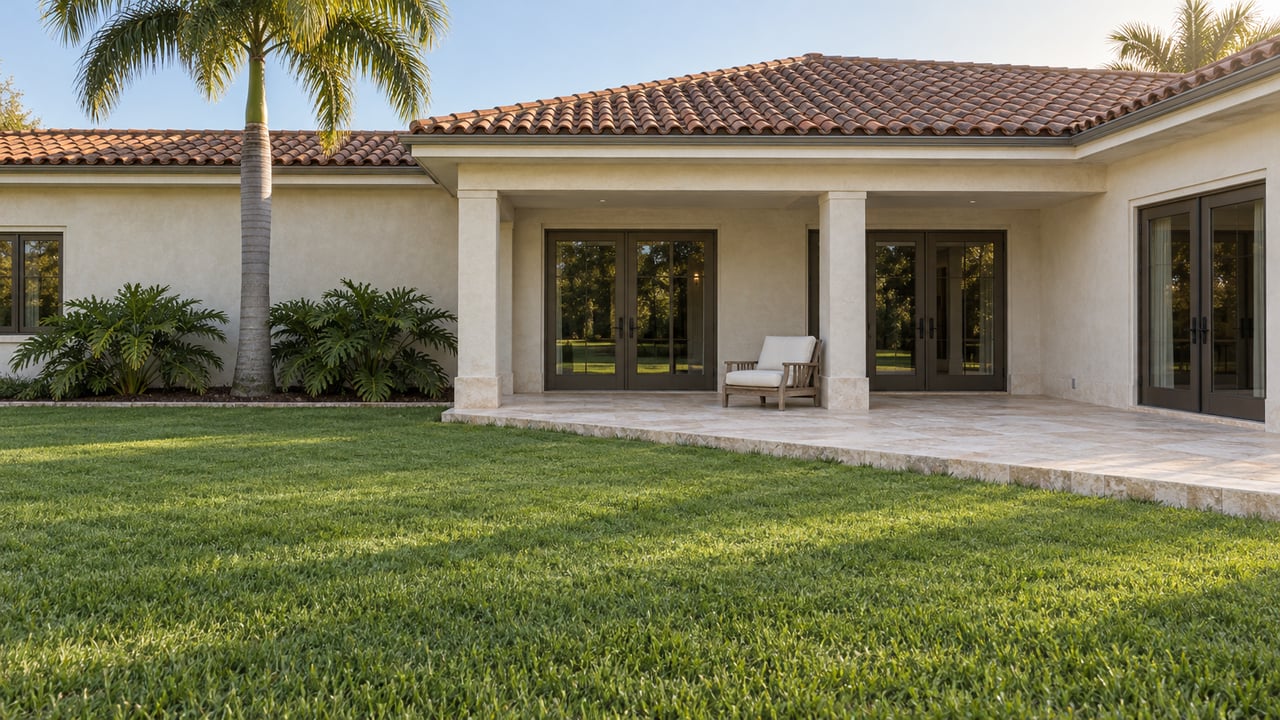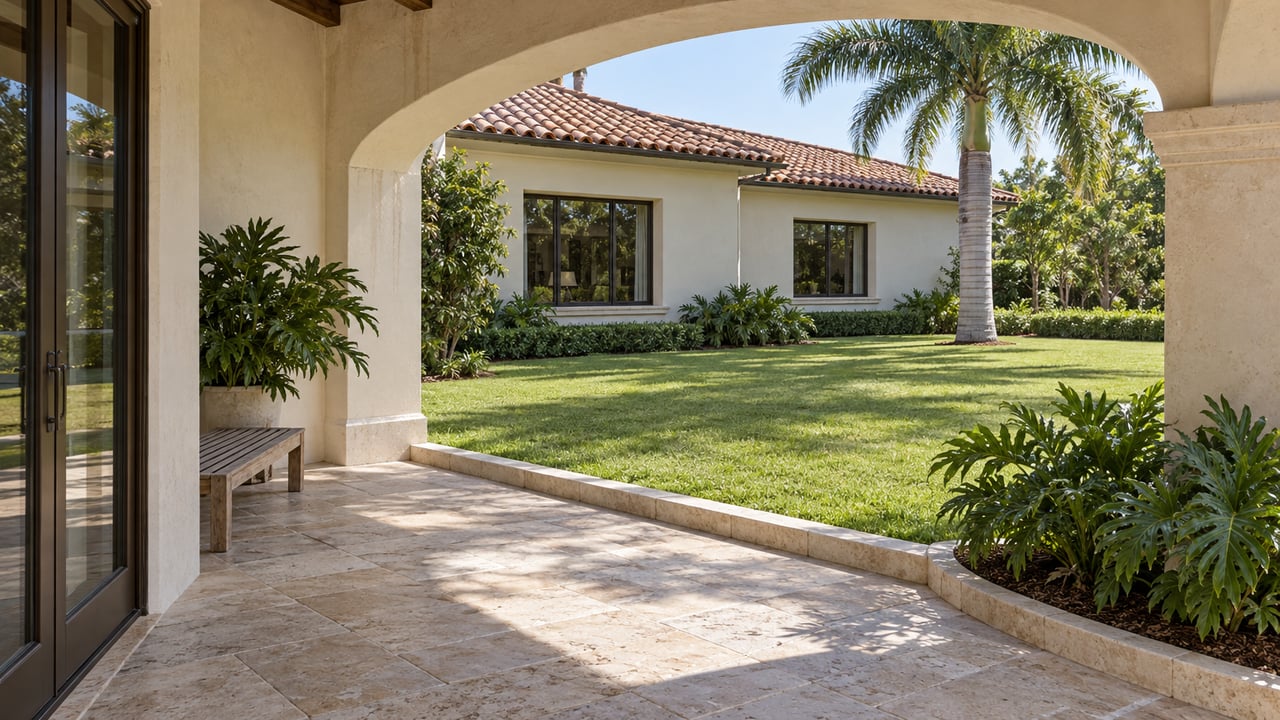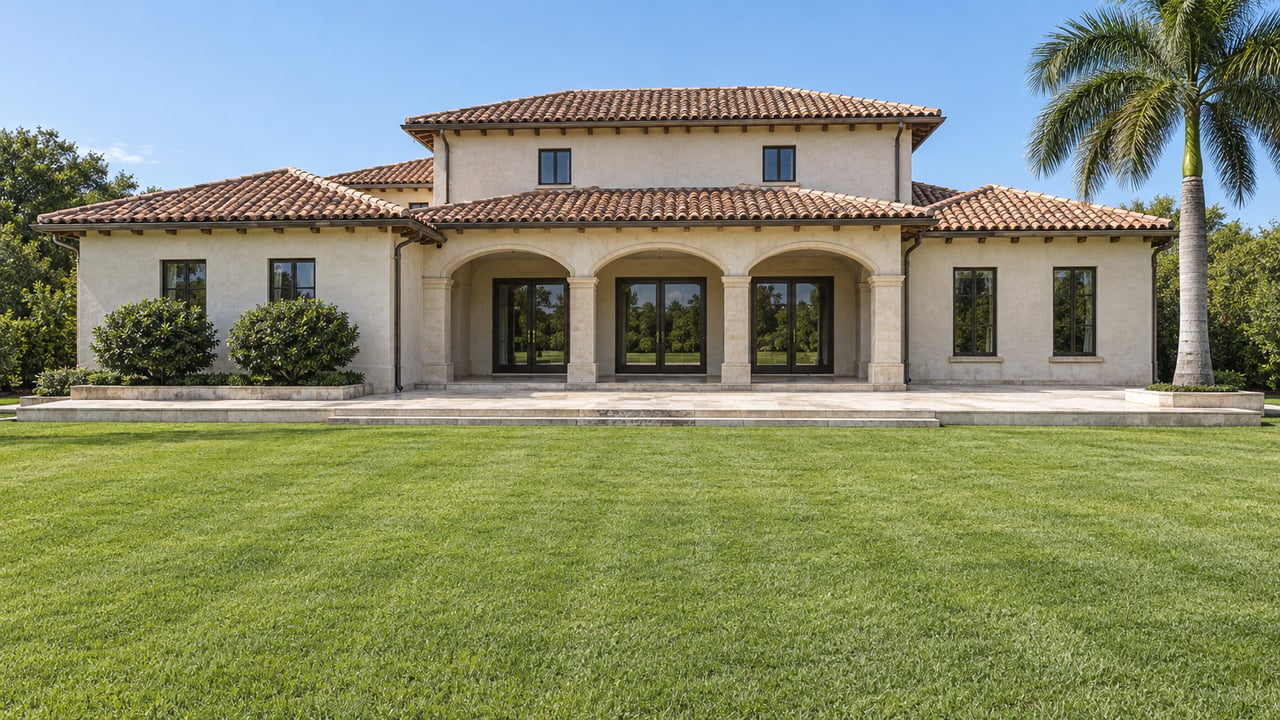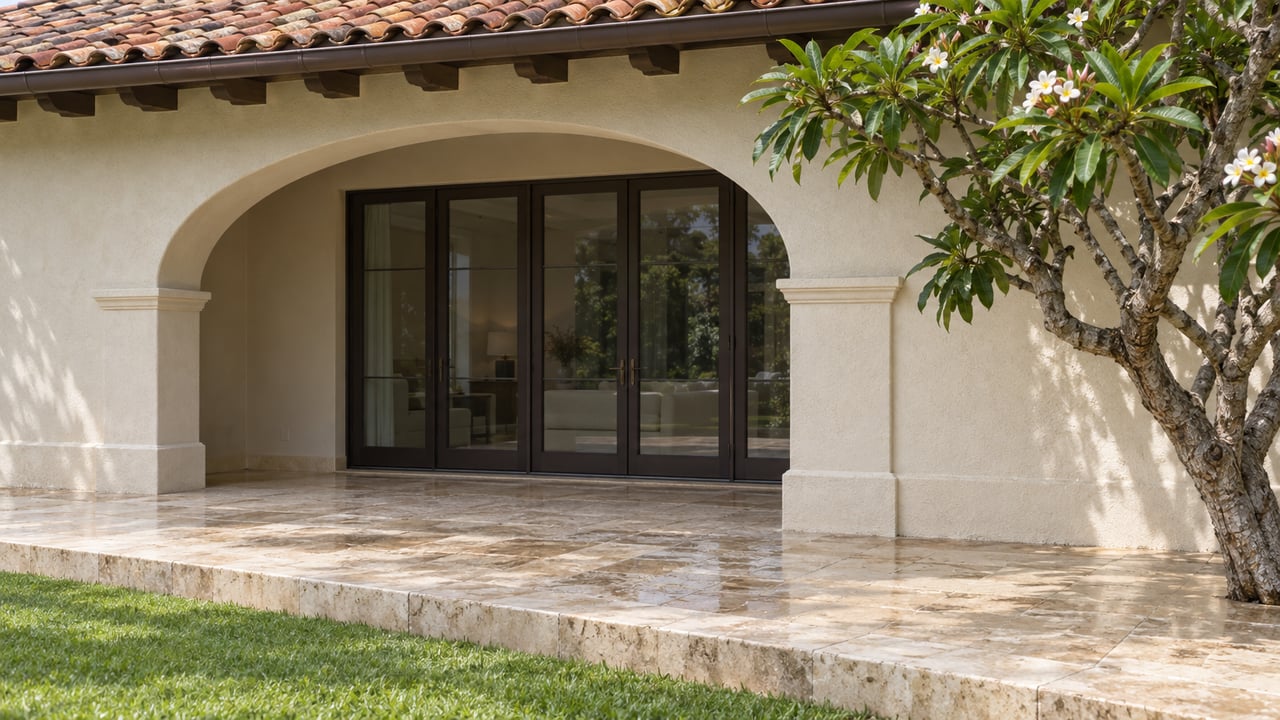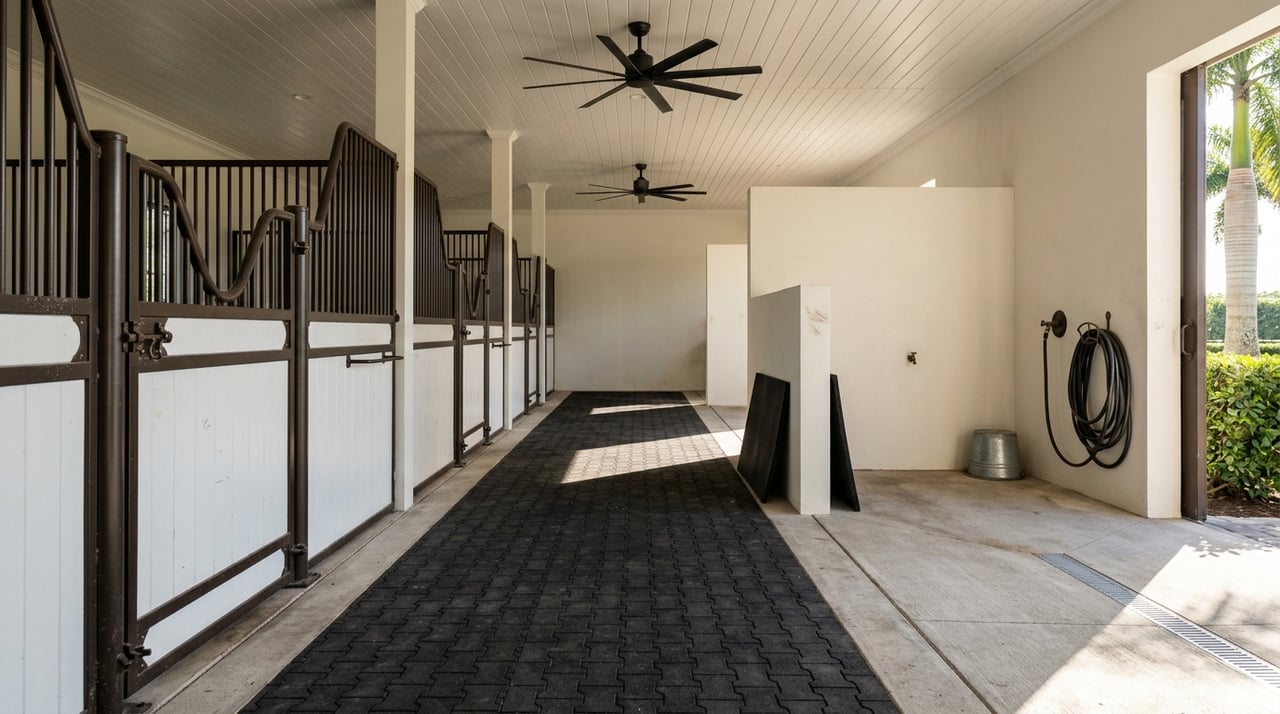
If you own an equestrian home in Wellington, you have likely wondered whether the winter circuit could create real seasonal rental opportunity. That question is worth asking because Wellington is not just a warm-weather destination. It is a purpose-built equestrian market shaped by competition schedules, horse-property logistics, and a concentrated seasonal influx of riders, trainers, owners, and support teams. In this guide, you will learn what drives demand, what renters are most likely to value, and what practical issues matter before you offer a property seasonally. Let’s dive in.
Why Wellington Has Seasonal Rental Demand
Wellington’s seasonal rental story starts with its equestrian identity. The Village of Wellington describes itself as a premier South Florida community known for equestrian interests, with more than 57 miles of equestrian trails. The village also states that preserving and protecting the equestrian community is a local priority.
That matters because this is not a generic vacation market. In the Equestrian Preserve Area, the village charter is designed to preserve the area’s equestrian character and prohibits motels, hotels, condo-hotels, and apartments. In simple terms, that helps keep the area oriented around estates and horse properties rather than traditional lodging inventory.
Winter Circuit Drives the Peak Season
The biggest demand driver is Wellington International. Its official event calendar centers on the Winter Equestrian Festival and the Adequan Global Dressage Festival, which create a concentrated winter and early-spring season.
Wellington International describes WEF as a 13-week circuit and AGDF as a 10-week circuit. Current event pages describe WEF as running from January through March, while 2026 sponsorship materials describe the same 13-week season as running from January through April. Taken together, the clearest takeaway is that the prime rental window is the winter and early-spring competition season.
The scale of that season is significant. Wellington International reports that WEF drew more than 4,000 families, 8,000 horses, and 300,000 visitors in 2025, with participants coming from all 50 states and more than 34 countries. For property owners, that helps explain why homes near the showgrounds can attract seasonal interest.
Shoulder-Season Activity Still Matters
While winter is the main story, activity does not stop the moment spring ends. Wellington International says competition continues at Equestrian Village from May through October. That does not create the same peak as WEF and AGDF, but it does suggest some additional seasonal relevance beyond the core circuit.
Who Typically Rents Wellington Equestrian Homes
The likely renter pool is tied closely to the competition calendar. Based on the scale and structure of the season, the most common seasonal tenants are likely to include riders, trainers, owners, family members, and other support people who need a temporary base during a show block.
These are not typical short-term leisure travelers looking for a generic resort stay. In many cases, they are trying to solve for proximity, horse care, equipment movement, and day-to-day convenience during a multiweek stay. That distinction shapes what makes one property easier to rent than another.
What Renters Value Most in an Equestrian Property
In Wellington, rental appeal is often driven by function before finish. A beautiful home matters, but in an equestrian setting, the strongest demand usually follows properties that support the realities of horse sport.
Wellington International’s venue spans more than 111 acres and includes 14 competition arenas, more than 500 permanent equine stalls, dedicated horse trails, pedestrian paths, and golf cart tracks. In that environment, renters are likely to pay close attention to how easily a property supports training, transportation, and daily barn operations.
Turnkey Horse Infrastructure
Properties with usable equestrian infrastructure are likely to stand out. Depending on the asset, that may include:
- Functional barns or stalls
- Safe circulation for trucks and trailers
- Usable turnout space
- Practical barn-to-house flow
- Space that supports a multiweek or multi-month stay
A home does not need to be extravagant to be relevant. It does need to feel operationally ready for the rhythm of the season.
Proximity to Show Venues
Location is one of the clearest differentiators. Wellington International’s main venue is at 3400 Equestrian Club Drive, and Equestrian Village is at 13500 S Shore Blvd. Homes with quicker access to those venues are likely to be easier to market than otherwise similar properties farther away.
The local trail network can also add practical value. The village says its equestrian trail system supports transportation as well as recreation and exercise, which reinforces the idea that access and movement matter here.
A Residence That Works for Real Life
Seasonal renters are often in Wellington for weeks at a time, not just for a long weekend. Because of that, the residential component matters. A property is usually more adaptable when the home can comfortably support a longer stay for riders, trainers, owners, or family members during the circuit.
Seasonal Rental Potential Is About Logistics
One of the most important points for owners is this: Wellington’s seasonal demand is driven by sport logistics, not only lifestyle appeal. Buyers and renters may appreciate sunshine, green space, and the social side of the season, but housing decisions are often grounded in daily practicality.
That is why homes closest to the showgrounds, easiest to manage, and already adapted to competition-season use are often the most compelling. In this market, operational readiness can be just as important as architecture or interior finishes.
Tax and Lease-Length Issues to Know
If you are thinking about renting out a Wellington equestrian home, the lease term matters. Florida treats rentals of living or sleeping accommodations for six months or less as transient rentals. According to the Florida Department of Revenue, the 6% state sales tax applies to these rentals, along with any applicable discretionary surtax.
Palm Beach County also levies a 6% tourist development tax on qualifying short-term accommodations. The county code states that the tax is due to the Tax Collector on the first day of the following month and becomes delinquent on the 21st. For owners, that is a reminder that seasonal income planning should include careful bookkeeping and monthly compliance.
Florida also requires people who rent, lease, let, or grant a license to use transient accommodations to register in order to collect, report, and remit the tax. The Florida Department of Revenue also states that a bona fide written lease for continuous residence longer than six months is exempt from transient-rental tax treatment.
Why the Lease Structure Matters
A shorter seasonal arrangement may fit the winter circuit well, but it can trigger tax and registration obligations. A longer lease may be treated differently. The right structure depends on the property, the owner’s goals, and the intended occupancy pattern.
Because each property can present different issues, owners should think through timing, recordkeeping, and practical administration before offering a home for seasonal occupancy.
Check Zoning and Community Rules First
Before you market a property, confirm what is allowed. Wellington’s charter is designed to preserve the equestrian character of the area, and certain lodging uses are prohibited in the Equestrian Preserve Area.
That does not mean every seasonal rental is disallowed. It does mean you should verify zoning, HOA or condominium rules, and any lease restrictions before moving forward. In a market like Wellington, local rules can be just as important as demand.
Winter-Circuit Preparation Goes Beyond Staging
If your property includes equestrian facilities, preparation should extend well beyond cleaning and décor. The Village of Wellington’s Equestrian Preserve resources include references to manure bin inspection, manure regulations and best management practices, livestock waste hauling permits, and related compliance themes.
That points to a broader truth about Wellington horse properties. Seasonal readiness is not just about making a home look appealing. It also involves barn upkeep, waste handling, access logistics, and day-to-day functionality for horse use.
Practical Readiness Checklist
Before a winter-circuit rental season, owners may want to review:
- Barn condition and stall usability
- Trailer and truck access
- Turnout and circulation areas
- Waste-handling setup
- Lease length and tax treatment
- Zoning and community restrictions
- Residential comfort for a multiweek stay
A property that feels ready from both the residential and equestrian side is likely to present more smoothly to the seasonal market.
How Matt Johnson Can Help
In Wellington, equestrian real estate is highly specific. Evaluating rental potential is not only about square footage or cosmetic appeal. It often comes down to barn functionality, access, layout, venue proximity, and how well a property fits the cadence of the winter circuit.
That is where local, technical perspective matters. With deep Wellington market knowledge and lived equestrian experience, Matt Johnson helps owners think clearly about how a property may fit buyer or seasonal user expectations, especially when the asset includes barns, turnout, arenas, or other horse infrastructure.
If you want a discreet, informed conversation about your property’s position in the Wellington equestrian market, request a private consultation with Matt Johnson.
FAQs
How long is the prime seasonal rental period for Wellington equestrian homes?
- The main demand window is the winter and early-spring circuit, with Wellington International describing WEF as a 13-week season running from January through March or into April depending on the source.
Who usually rents equestrian homes in Wellington during the season?
- Seasonal demand is most closely tied to riders, trainers, owners, family members, and other support people drawn by Wellington’s competition calendar.
What makes a Wellington equestrian home more rentable seasonally?
- The strongest differentiators are usually turnkey horse infrastructure, convenient access to Wellington International or Equestrian Village, and a residence that works well for a multiweek stay.
Are short seasonal rentals in Palm Beach County taxed?
- Yes. Florida applies state sales tax to qualifying rentals of six months or less, and Palm Beach County also levies a 6% tourist development tax on qualifying short-term accommodations.
Should Wellington owners check local rules before offering a seasonal rental?
- Yes. Owners should confirm zoning, HOA or condominium rules, and any lease restrictions before marketing a property seasonally.