If you have ever wondered why a luxury property in Wellington can feel urgent one month and negotiable the next, the answer usually comes back to the same thing: the horse calendar. This is not a market that moves only on typical housing patterns. In Wellington, competition schedules, travel timing, and horse-property function often shape demand just as much as square footage or finishes. If you are buying or selling here, understanding that rhythm can help you make smarter decisions. Let’s dive in.
Why Wellington Follows a Different Rhythm
Wellington’s luxury market is seasonal in a very local way. The Village identifies a defined Equestrian Preserve Area regulated by the Equestrian Overlay Zoning District, centered on roughly 9,000 acres in the western and southern parts of town. That area includes Wellington International, the National Polo Center, bridle trails, and equestrian farms, so the market is tied to real use and infrastructure, not just image.
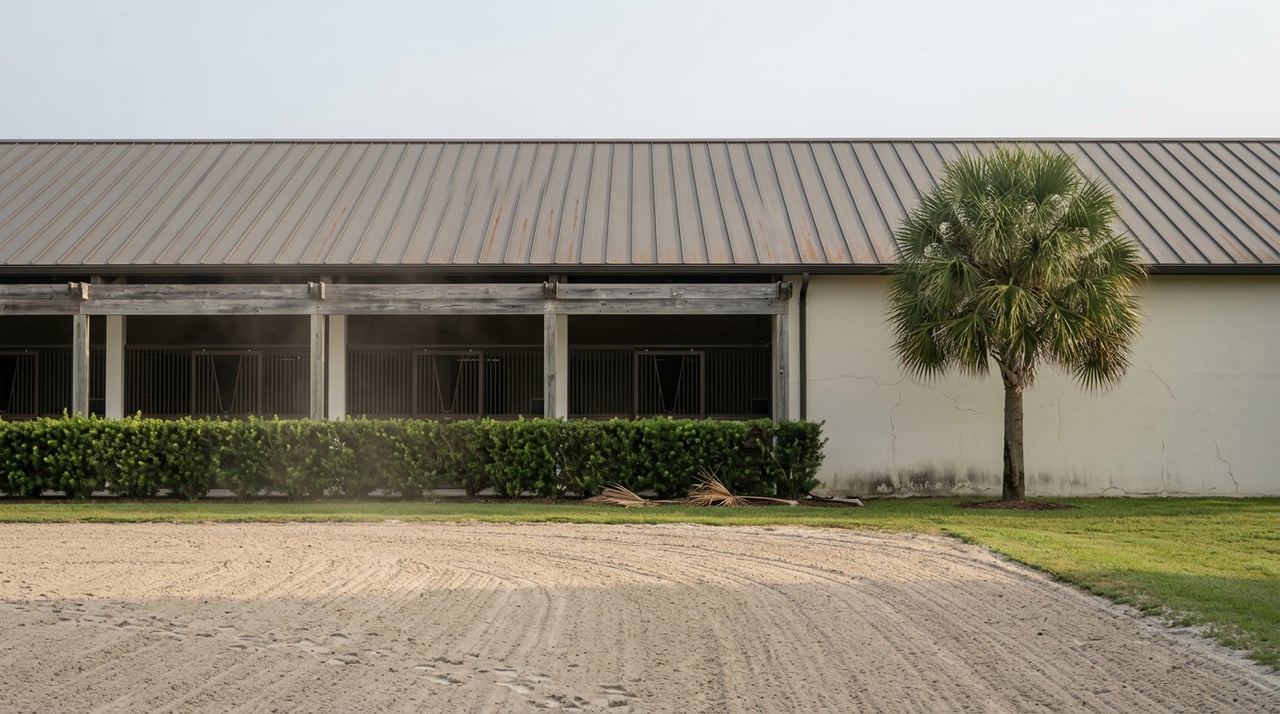
That matters because many buyers are evaluating more than a residence. They are also looking at barn layout, arena quality, trail access, drainage, and how a property functions for horses and riders. In Wellington, the value conversation often starts with utility and only then moves to style and finish.
Winter Season Drives Activity
Wellington International hosts horse shows year-round, but its largest event, the Winter Equestrian Festival, runs from January through March. The venue also treats the Winter Equestrian and Global Dressage festivals as the winter visiting season. That creates a strong seasonal pulse at the exact time many equestrian buyers, trainers, and owners are already in town.
The scale of that season is significant. Wellington International reports that the 2025 Winter Equestrian Festival generated $536.2 million in economic impact for Palm Beach County and attracted 31,000 competitors from more than 50 countries and all 50 states. In practical terms, that means Wellington’s winter market has a level of attention and activity that most suburban luxury markets simply do not experience.
What In-Season Means for Buyers
When buyers are already in Wellington for the winter circuit, property search behavior tends to become more focused. People are touring while they are immersed in the local horse scene, comparing farms, watching how traffic flows to venues, and weighing convenience in real time. That can create more urgency, especially for turn-key equestrian properties that are hard to replace.
In a market like this, timing affects how quickly decisions get made. A buyer who finds a farm with the right stalls, arena setup, and location during peak season may act faster because waiting could mean losing a rare fit. That is especially true when the property solves both lifestyle and operational needs.
Why Turn-Key Farms Draw Attention
Turn-key equestrian farms often feel the strongest seasonal effect. If a property already offers the infrastructure a buyer needs, there may be less appetite to delay and build or renovate later. During the busiest months, convenience can carry real weight.
That does not mean every winter listing sells immediately. It means well-positioned properties that align with active in-town demand may attract faster showings and stronger urgency than they would at another time of year.
What In-Season Means for Sellers
For sellers, winter can bring concentrated exposure because the target audience is physically present in Wellington. Buyers are not just browsing online from afar. Many are touring, competing, and spending enough time locally to judge a property with more confidence.
That is why timing often matters as much as presentation. If your goal is to reach the winter equestrian audience, it usually helps to be market-ready before the season reaches full speed. You want photography, pricing, and property preparation handled early enough to catch attention when buyer traffic begins to rise.
Listing Before Peak Season
In Wellington, the smartest listing window is often ahead of the busiest winter stretch rather than deep into it. The reason is simple: buyers need time to identify options, compare properties, and make decisions while they are in town. Being ready early can help you enter that consideration set sooner.
This approach mirrors a broader housing truth that more exposure tends to come when buyer activity is building. Wellington just applies that principle through its equestrian calendar rather than through a standard spring-only cycle.
The Off-Season Is Not the Wrong Season
A common mistake is assuming that anything outside winter is a weak market. That is too simplistic for Wellington. Off-season listings can still perform well, but the strategy changes.
When the winter rush fades, daily showing activity may slow, yet serious buyers are still searching. With fewer competing listings in some periods, a well-prepared property can stand out more clearly. For buyers, the quieter months may also create more room to negotiate on price, credits, or timing.
Off-Season Advantages for Buyers
If you are buying, the later part of the cycle or periods outside the peak winter window may offer more flexibility. When competition eases, sellers may be more open to practical terms that help a deal come together. That can be valuable if you are balancing purchase timing with renovations, horse moves, or broader financial planning.
This is especially relevant if you do not need immediate occupancy for the season. A patient buyer can sometimes gain leverage simply by shopping when fewer people are competing for the same property.
Off-Season Advantages for Sellers
For sellers, an off-season listing can still work when the property is priced and presented correctly. Less noise in the market can mean your farm or estate has more room to command attention among serious prospects. The audience may be smaller, but it is often more intentional.
This can be particularly useful for unique assets such as larger land parcels, specialized training facilities, or properties that may benefit from a more curated buyer search. In those cases, strategy and positioning matter more than chasing raw showing volume.
Negotiation Changes With the Calendar
Seasonality does not just affect traffic. It also shifts leverage. In general, when more buyers are competing for limited inventory, sellers hold a stronger hand. When the pool thins, buyers usually gain more room to negotiate.
In Wellington, that pattern can be even more pronounced for luxury and equestrian properties because replacement options are limited. A buyer may stretch during peak season for a property that checks the right boxes. Outside that window, the same buyer may expect more flexibility if the urgency is lower.
Negotiations Are Often Operational
One of the most important differences in Wellington is that negotiation is not always about cosmetic updates. It is often about how a property works. The Village says the Preserve Committee reviews rider safety, flooding and drainage, and land-use questions tied to the Equestrian Preserve Area.
That means buyers and sellers may be discussing issues that directly affect usability and confidence. Arena placement, drainage performance, trail access, or overall site functionality can influence value and terms just as much as interior design. In many transactions here, the practical side of the property is central to the deal.
A Practical Timing Framework
If you are trying to decide when to act, a simple framework can help.
For sellers seeking maximum exposure
- Prepare your property before the winter show season begins.
- Aim to have pricing, media, and marketing ready before buyer traffic peaks.
- Highlight both luxury presentation and functional property details that matter to equestrian buyers.
For buyers seeking more leverage
- Look later in the cycle or outside the January through March peak.
- Expect less competition than during the busiest winter period.
- Pay close attention to operational details, especially on farms and larger parcels.
For equestrian property owners
- Treat zoning, drainage, trail access, barn utility, and arena setup as part of your timing strategy.
- Understand that these features shape buyer confidence as much as appearance does.
- Plan around how your ideal buyer will use the property, not just when they may browse it.
Why Local Expertise Matters in Wellington
Wellington is best understood as a calendar-driven niche market inside a broader South Florida market. Standard housing seasonality still exists, but the winter show circuit adds a distinct layer that can amplify demand, urgency, and pricing behavior for the right properties.
That is why broad market advice only goes so far here. In Wellington, success often comes from understanding the difference between a beautiful property and a functional one, and from knowing how timing intersects with both. If you are buying or selling an equestrian farm, estate home, or land parcel, a strategy built around the local calendar can give you a real advantage.
Whether you want maximum exposure before peak season or a quieter path to a well-negotiated purchase, the right plan starts with a clear read on Wellington’s rhythm. If you want tailored guidance on timing, presentation, or discreet opportunities in this market, connect with Matt Johnson.
FAQs
When is the busiest season for Wellington luxury real estate?
- For many Wellington luxury and equestrian properties, the busiest seasonal pulse is tied to the winter equestrian calendar, especially January through March during the Winter Equestrian Festival.
Why does the Wellington equestrian season affect home sales?
- The equestrian season brings buyers, riders, trainers, and owners into town, which increases property tours and decision-making, especially for farms and homes near key equestrian venues.
Is winter always the best time to sell a luxury property in Wellington?
- Not always, but sellers often benefit from being market-ready before the winter season is in full swing so they can capture attention as in-town buyer activity builds.
Can buyers find better deals in Wellington outside peak season?
- In many cases, yes. When competition eases outside the busiest winter window, buyers may have more room to negotiate on price, credits, or timing.
What matters most when buying an equestrian property in Wellington?
- Beyond the house itself, buyers often focus on barn utility, arena quality, drainage, trail access, and how the property functions within Wellington’s equestrian landscape.
How is Wellington different from other South Florida luxury markets?
- Wellington has a distinct equestrian-driven seasonal cycle, so demand can be shaped by the horse show calendar as much as by broader housing trends or weather patterns.