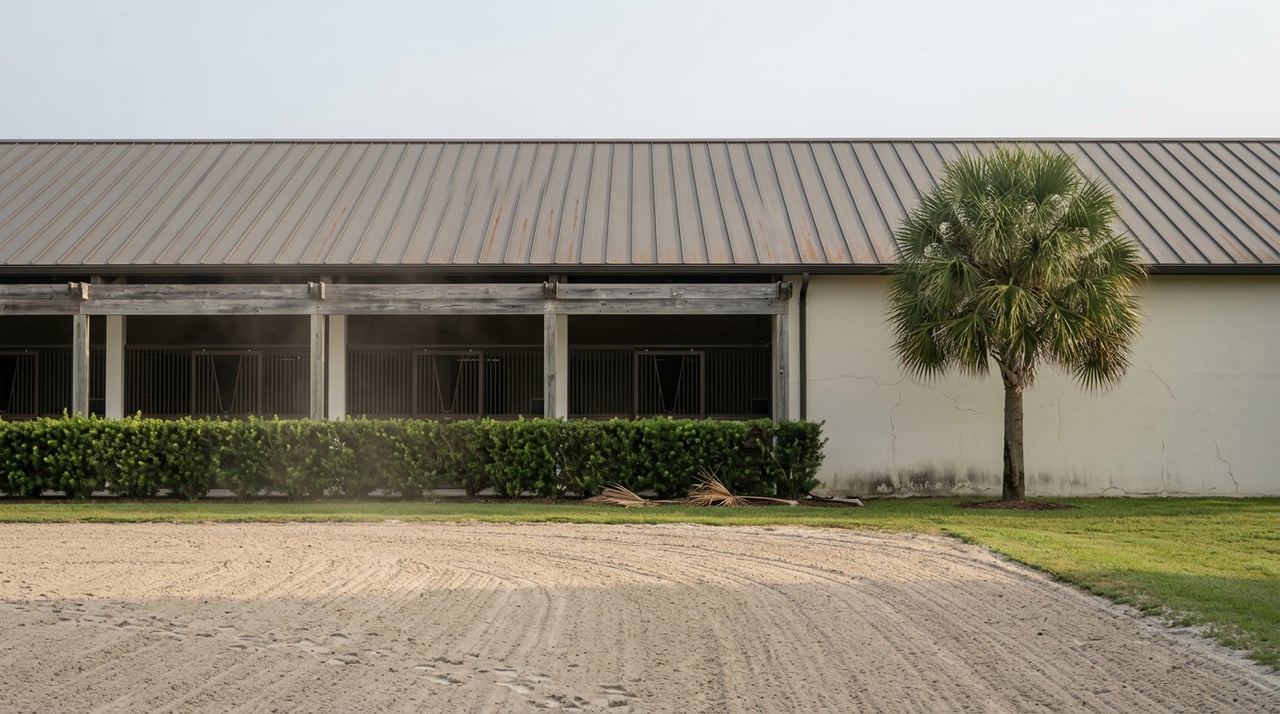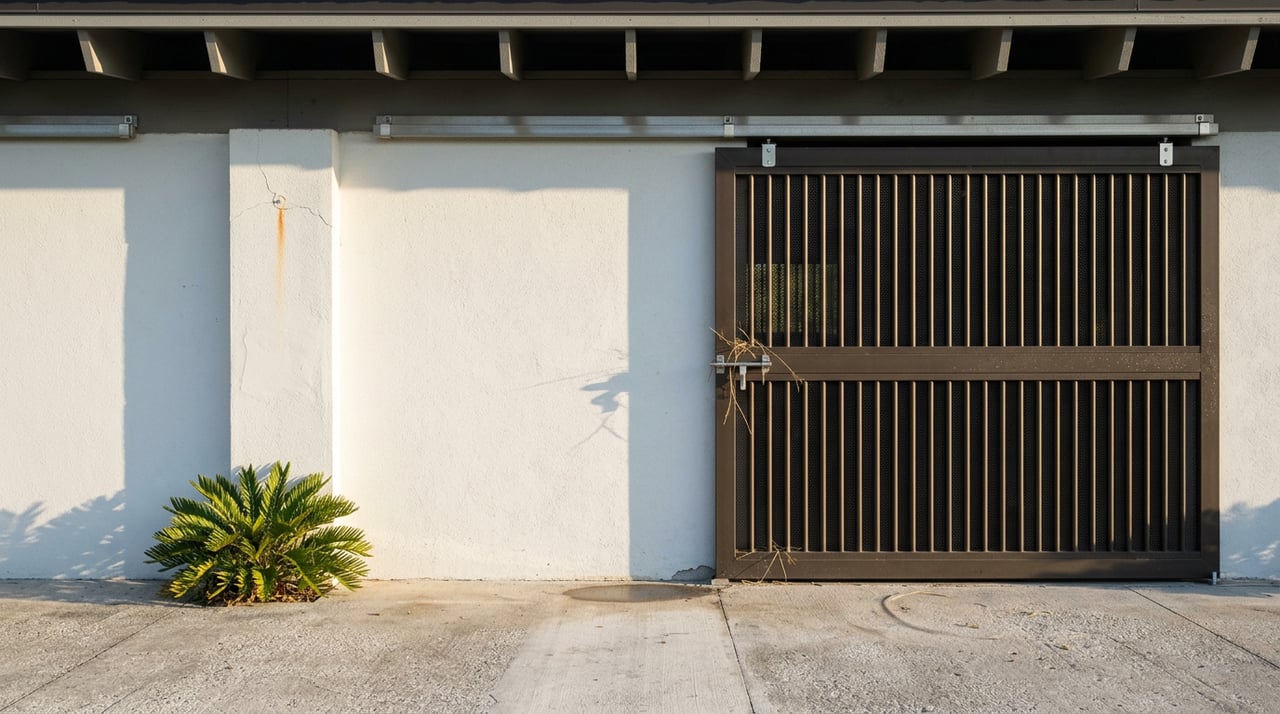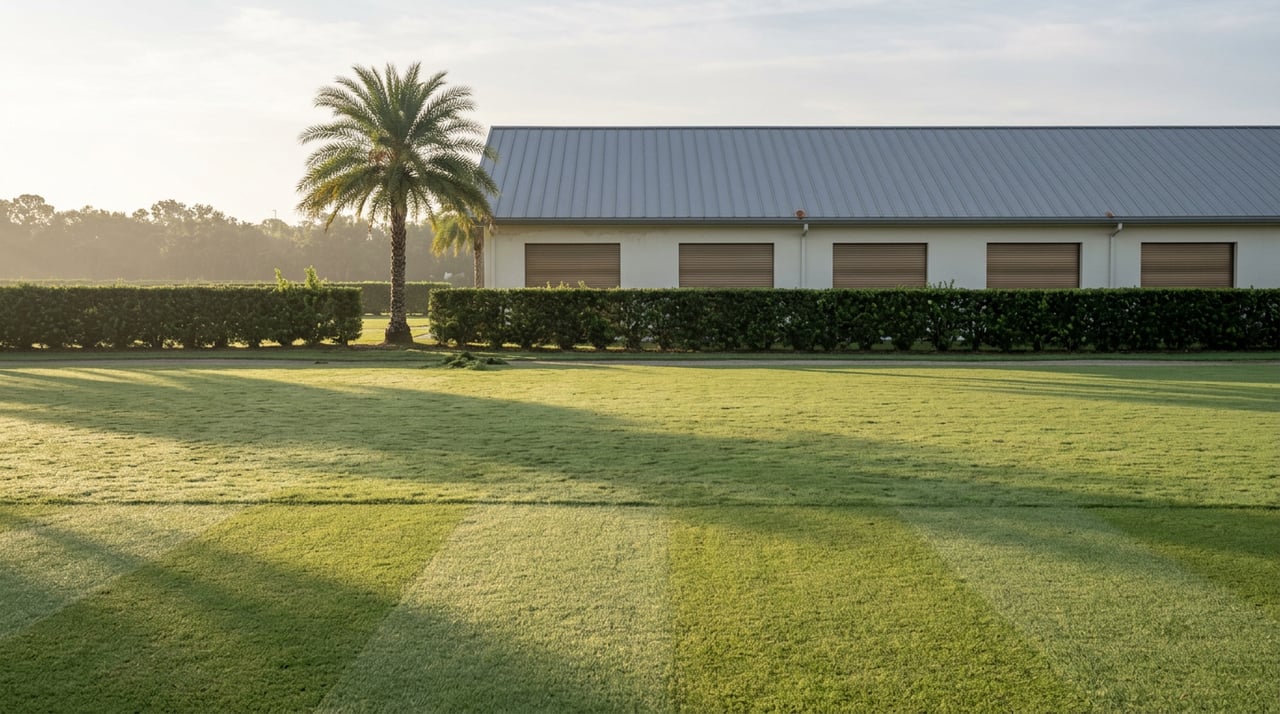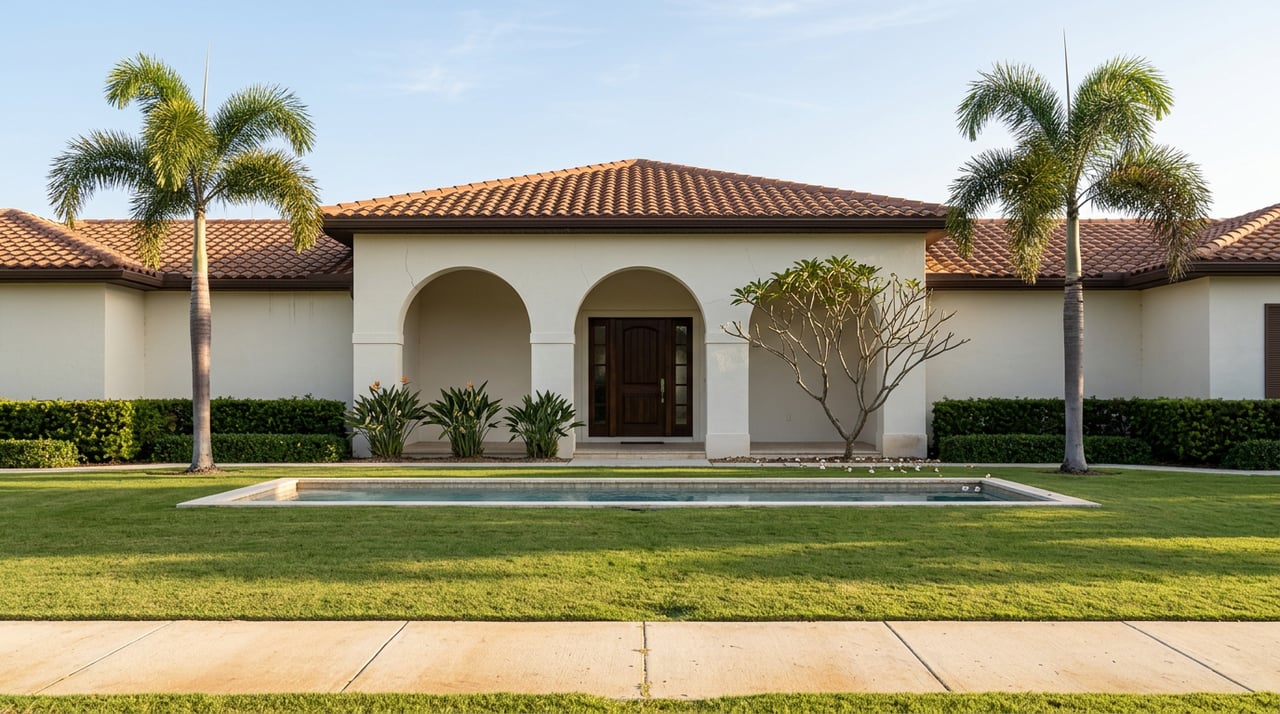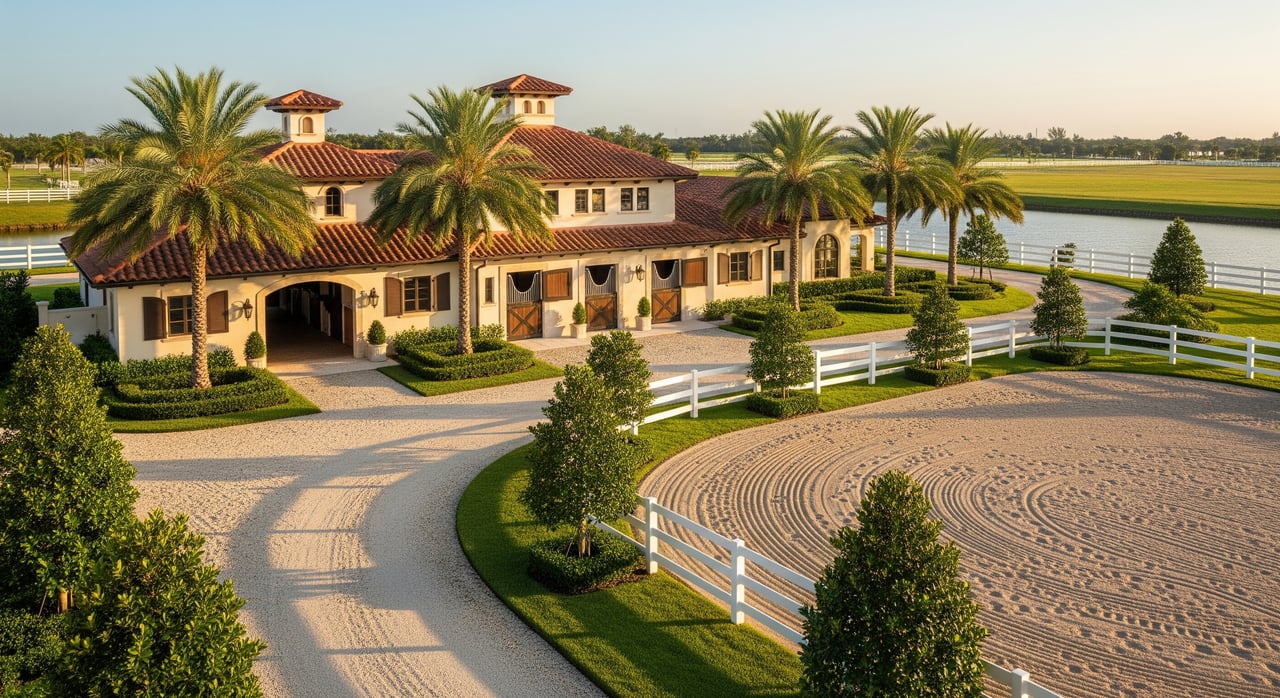
Dreaming of riding out from your own backyard in Wellington but not sure where to start? You have great options, and each neighborhood offers a slightly different blend of acreage, trail access, and convenience to the showgrounds. With a clear overview, you can match your goals to the right enclave and buy with confidence. In this guide, you’ll learn how the five core equestrian neighborhoods compare so you can focus your search. Let’s dive in.
Why Wellington works for riders
Wellington is one of the country’s largest equestrian hubs, built around the winter show circuit at the Palm Beach International Equestrian Center. The local economy and infrastructure support show barns, trainers, veterinarians, and specialized services. That ecosystem shapes what you see in neighborhood layouts and property features.
Most equestrian parcels range from about 1 to 10 acres, with many neighborhoods clustering in the 1 to 5 acre range. Larger estates exist but are less common and command premium prices. You’ll also find practical horse-keeping features like post-and-rail or pipe fencing, small to mid-size barns, schooling rings, and paddocks. Many properties are in HOAs or have deed restrictions that govern horse counts, barn placement, and accessory structures.
Environmental and regulatory details matter in South Florida. Drainage and footing are key, flood zones exist in parts of the county, and some parcels use septic. Always verify permitting, utilities, and any association rules before you buy.
Grand Prix Village: closest to PBIEC
If your top priority is immediate access to the showgrounds, Grand Prix Village is one of the closest residential options to PBIEC. Many properties are within a short 3 to 8 minute drive, which is why trainers and active competitors favor it during show season.
Typical lots are on the smaller side, commonly around 1 to 2 acres. Properties tend to be compact and efficient rather than pastoral. You’ll often see 4 to 8 stall barns, small schooling arenas, and streamlined layouts for daily grooming, tack, and storage. Trail connections here are practical rather than expansive, with canal roads and local bridle links used for short hacks.
Best fit: You want quick show access and a functional base of operations. If you need large turnout or privacy, another neighborhood may serve you better.
Palm Beach Point: balanced access and acreage
Palm Beach Point offers a practical middle ground for riders who value proximity and usable space. Travel times to PBIEC are typically under 10 minutes, depending on location.
Lots range from about 1 to 3 acres, with some slightly larger parcels. Facilities often include mid-sized barns with 4 to 10 stalls, a schooling ring or small arena, and fenced paddocks. You’ll find canal-side paths and local bridle connections suitable for riding out.
Best fit: You want easy show access with modest acreage for turnout and daily riding routines.
Saddle Trail: more land and longer routes
Saddle Trail is known for larger parcels and a more spacious feel. Many properties sit on 2 to 10 or more acres, including some estate-level setups. Drive times to PBIEC are still short, often 5 to 12 minutes, depending on your exact address.
Here, you’ll see larger private barns with 8 to 20 or more stalls, full-size arenas, and multiple paddocks designed for rotational grazing. Bridle connectivity is stronger, with longer routes and greenbelt corridors that make conditioning rides more realistic without trailering.
Best fit: You manage multiple horses, run in-house training, or simply want room to spread out. Expect higher land and maintenance costs that come with scale.
Paddock Park: efficient and ultra convenient
Paddock Park sits very close to the showgrounds, typically just a few minutes by car. It is a favorite among active competitors and trainers who want a highly efficient daily routine.
Parcels are commonly 1 to 5 acres, designed for practical horse-keeping rather than large pastures. Many properties feature 4 to 8 stall barns, schooling arenas, wash stalls, tack rooms, and easy trailer access. Trail options include neighborhood bridle routes and canal paths for short hacks.
Best fit: You prize convenience to PBIEC and a well-organized, show-ready setup.
Equestrian Club Estates: established equestrian identity
Equestrian Club Estates carries an explicitly equestrian identity and sits centrally among Wellington’s horse neighborhoods. Many addresses are within a short drive to PBIEC, typically under 10 minutes.
Lot sizes commonly fall between 1 and 5 acres, with some larger estate parcels available. Facilities tend to be full-featured, including barns with roughly 6 to 16 stalls on larger lots, dressage or schooling arenas, multiple paddocks, and generous storage. Some properties are configured to support private training or small-scale boarding, subject to local rules.
Best fit: You want a neighborhood designed around horses, with room for more elaborate facilities and an easy commute to the showgrounds.
What to expect in facilities
Wellington’s equestrian properties share a core set of features. You’ll see standout differences as acreage increases, but the fundamentals are consistent.
- Barns and stalls: Single-family equestrian homes often include 4 to 12 stalls. Larger estates and professional settings may offer 12 to 20 or more.
- Arenas and footing: Smaller parcels usually have schooling rings, while larger lots may offer full-size dressage or competition arenas. Footings range from sand to sand-fiber blends and engineered, all-weather systems. Always verify the footing contractor and drainage specs.
- Fencing and turnout: Post-and-rail and tubular pipe fencing are common. Smaller lots lean on smaller daily turnout paddocks, while larger properties create rotational systems with multiple paddocks.
- Water, waste, and utilities: Automatic waterers, hydrants, and wash stalls are common upgrades. Confirm municipal versus well water, sewer versus septic, and power capacity for lighting and equipment.
- Storage and parking: Dedicated tack rooms, feed rooms, hay storage, equipment sheds, and trailer parking are standard considerations. Look for secure, well-planned circulation for trucks and rigs.
- Safety and storms: In South Florida, hurricane tie-downs, reinforced roof systems, and evacuation plans are essential planning points.
Buyer checklist: verify before you offer
Use this quick checklist to focus your due diligence and avoid surprises.
- Lot size and usability: How much acreage is truly usable and fenced for turnout versus easements or wet areas?
- Barn and stall specifics: Stall count and dimensions, ventilation, drainage, and manure management.
- Arena details: Size, footing composition, drainage performance, and lighting.
- Fencing: Material, height, condition, gates, and any electrified strands.
- Water and waste: Municipal or well water, septic status and capacity, and any automatic watering systems.
- Permits and restrictions: Permits for barns and arenas, any prior code issues, and HOA or deed rules affecting horse counts or commercial use.
- Flood risk: FEMA flood zone, elevation data, and insurance implications.
- Utilities and services: Power capacity, internet and phone options, and proximity to vets, farriers, and feed suppliers.
- Access and logistics: Distance and drive time to PBIEC and training facilities, trailer access, and staff commuting considerations.
- Use case fit: Private use only or potential for training and boarding, subject to local zoning and association rules.
- Condition and costs: Roof age, arena re-surfacing cycles, irrigation and sprinklers, and pest control.
- Seasonal context: Traffic, noise, and lighting during show season, plus neighborhood horse density.
How to choose your best-fit neighborhood
Start with your daily routine. If you or your team shuttle back and forth to PBIEC multiple times a day, prioritize Grand Prix Village or Paddock Park for the shortest commutes. If you need more stalls, larger arenas, or long conditioning rides, look closely at Saddle Trail and select areas of Equestrian Club Estates. For a balance of access and acreage, Palm Beach Point often checks the right boxes.
Next, pressure-test the property against your management style. Smaller parcels can function beautifully with efficient paddocks, a well-drained schooling ring, and clear traffic flow for trailers and deliveries. Larger parcels give you freedom but increase mowing, arena maintenance, irrigation, and overall operational complexity. Be realistic about the team and budget you plan to deploy.
Finally, verify the essentials. Flood zones, drainage, utilities, permits, and HOA rules can influence both daily operations and long-term improvements. Neutral, third-party documents like county parcel records, association guidelines, and elevation data help you make decisions with confidence.
Ready for a tailored plan?
If you want a property that fits your exact riding goals and operational needs, you deserve guidance rooted in lived equestrian experience and discreet, high-level representation. For a calm, private discussion of on-market and off-market options across Grand Prix Village, Palm Beach Point, Saddle Trail, Paddock Park, and Equestrian Club Estates, connect with Matt Johnson. Request a Private Consultation.
FAQs
How close are Wellington neighborhoods to PBIEC?
- Many properties in Grand Prix Village and Paddock Park are a short 5 to 8 minute drive, while others across Wellington are typically within 5 to 15 minutes depending on location and traffic.
What lot sizes are typical in Wellington equestrian areas?
- Most equestrian parcels fall between 1 and 10 acres, with many neighborhoods clustering in the 1 to 5 acre range and fewer larger estates available at premium prices.
Which neighborhood offers more trail access for conditioning rides?
- Larger-lot areas like Saddle Trail and parts of Equestrian Club Estates generally offer better connectivity to longer bridle routes and greenbelt corridors.
Can I operate a small training or boarding program at home?
- It depends on zoning, HOA or deed restrictions, permits, and infrastructure like septic capacity, so always verify rules and approvals before planning commercial activity.
What should I check about arenas and footing when buying?
- Confirm arena dimensions, footing composition, and drainage performance, and request contractor specifications for any all-weather or engineered systems.
Do I need to worry about floods and hurricanes in Wellington?
- Yes. Review FEMA flood zones, elevation data, and insurance implications, and assess storm-readiness features like barn tie-downs and evacuation plans.