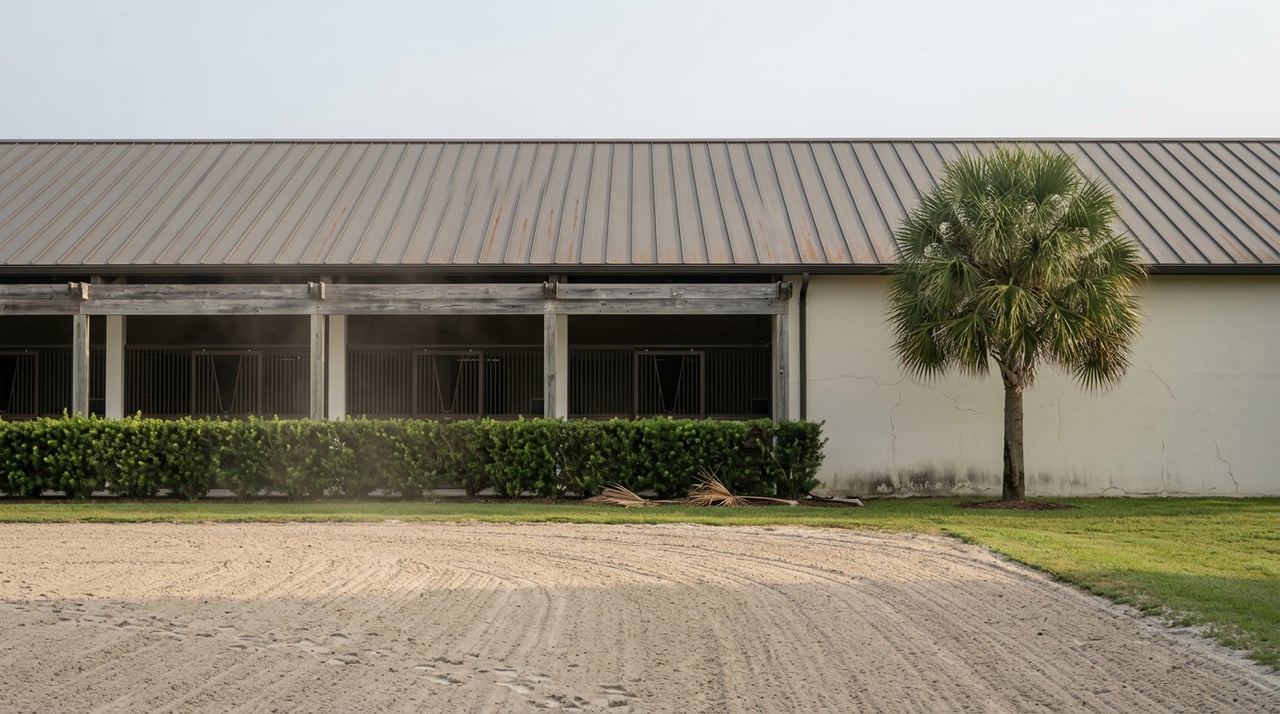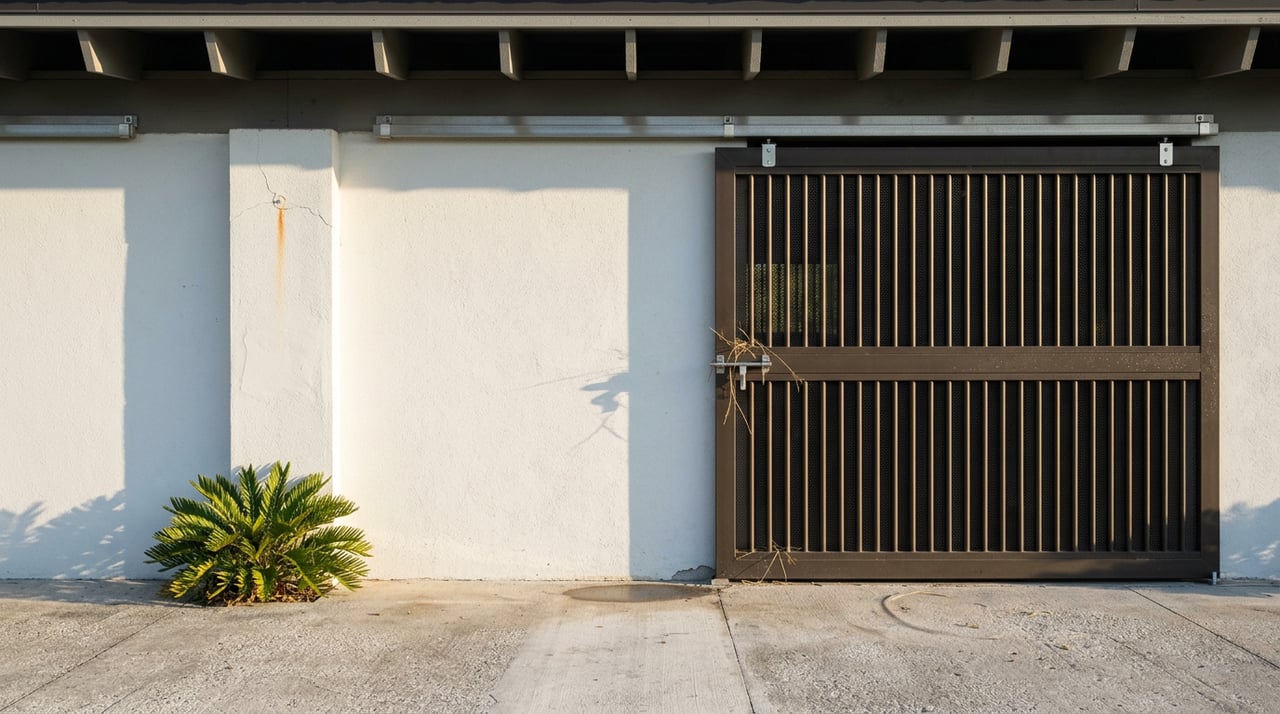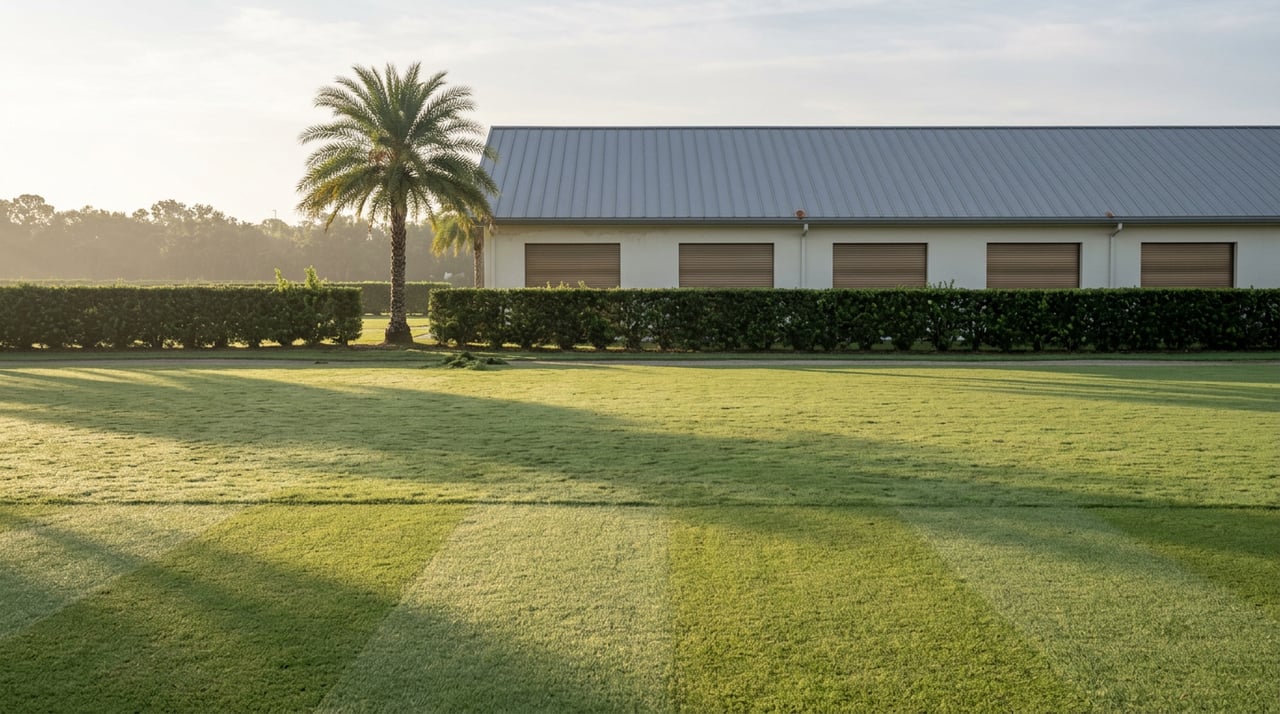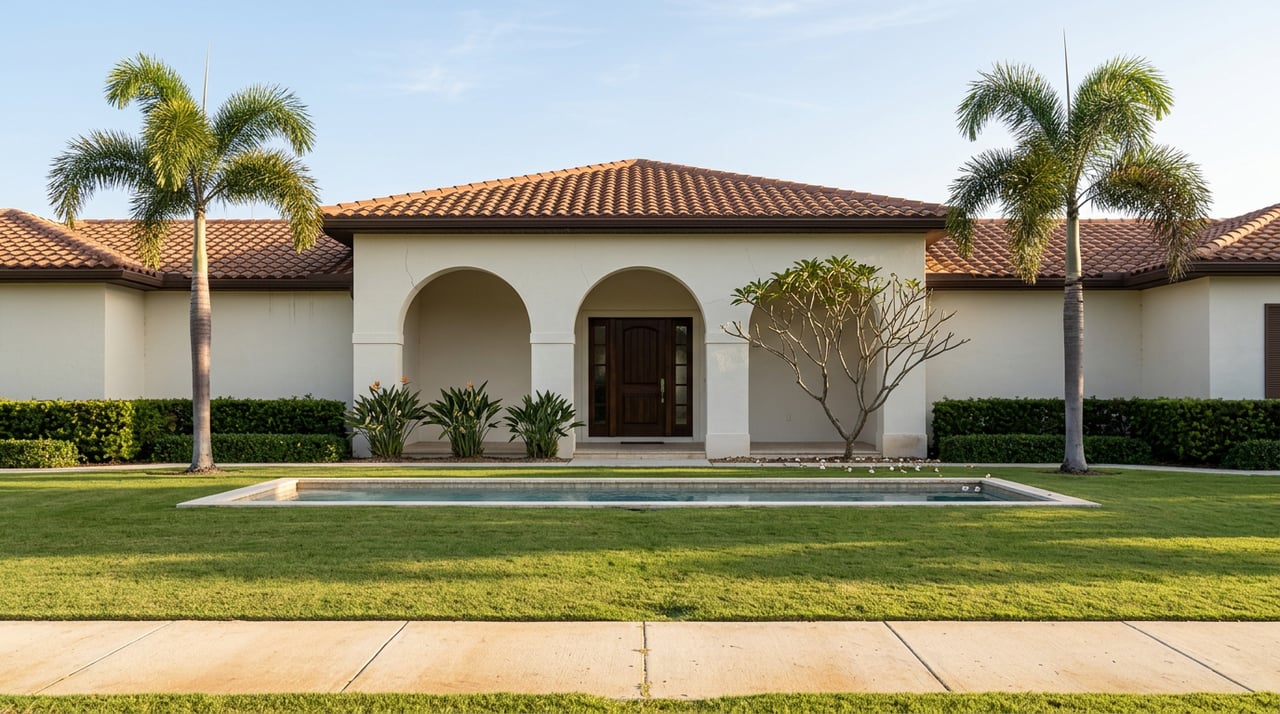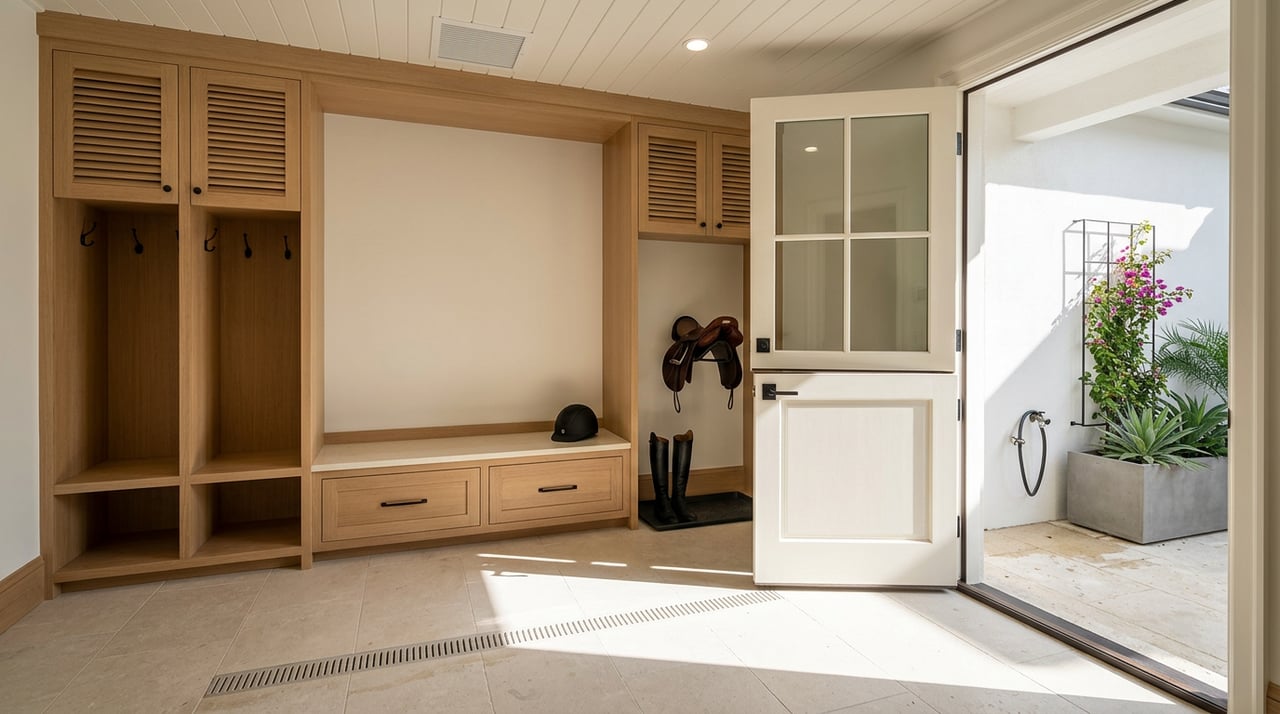
You want a home in Wellington that keeps up with your riding, not one that slows you down. Between summer rain, show-season traffic, and daily barn life, the details matter. In this guide, you’ll learn how to plan mudrooms, laundry, tack storage, office space, arenas, and site drainage that work for Wellington’s climate and equestrian culture. Let’s dive in.
Why Wellington riding life shapes design
Wellington is a global winter hub for sport horses. The Winter Equestrian Festival and Global Dressage Festival run a 13-week 2026 season, with riders and teams arriving from around the world. The 2026 winter competition season keeps barns and support services operating at full tilt.
Polo adds a parallel high-goal season. The National Polo Center’s season dates create concentrated demand for stalls, hay, water, utilities, and trailer parking. This surge means thoughtful site planning, efficient work flow, and robust storage become nonnegotiable.
Wellington also protects its equestrian character with an Equestrian Overlay Zoning District. If your parcel sits inside this overlay, rules affect barn footprints and certain uses. Confirm location and standards using the EOZD code section before you design or buy.
Start with climate and drainage
West Palm Beach normals show a warm year-round mean near 75.8°F and about 61.8 inches of annual rain, with the wettest months in June through September. Plan for humidity, heavy downpours, and fast drying. Review the local data for context through Florida Climate Center’s West Palm Beach normals.
Hurricane season runs June 1 through November 30, with a peak from August to October. That calls for wind-rated construction, secure storage, and a plan to shelter horses or evacuate. For a high-level risk refresher, explore NOAA’s hurricane FAQ.
Wellington’s drainage network is extensive. The Acme Improvement District manages canals, pump stations, and detention lakes. Low elevations and a high water table mean you should raise critical areas and engineer drainage to on-site detention or district systems. Get familiar with local surface-water practices through Acme’s overview.
Map your house-to-barn flow
A rider-friendly home keeps your daily route short and dry: house to mudroom to tack to barn aisle to wash, then turnout. Keep vehicle and tractor lanes separate from paddocks and walking paths. Use stabilized surfaces where traffic is heavy.
Plan covered connections or hardscaped paths between house and barn. In the wet season, small layout decisions prevent tracking water and sand into living areas. Add lighting, cameras, and clear sightlines from office areas to the aisle and grooming zones.
Design a hard-working mudroom
Your mudroom is the front line. Build it in zones so you control dirt and moisture:
- Exterior wet zone: a hose or boot-wash, floor drain, and a durable, non-slip surface.
- Gear zone: benches, hooks, cubbies, and space for helmets and gloves.
- House transition: a clean boundary before you enter living areas.
Choose non-porous, abrasion-resistant floors like sealed concrete or tile. Add coved base edges, corrosion-resistant hardware, and mechanical ventilation. A compact dehumidifier helps control mold during humid months.
Laundry that keeps up
Locate heavy-use laundry next to the mudroom so you are not carrying wet sheets and saddle pads through the house. Include:
- A heavy-duty washer and dryer sized for pads, small rugs, and turnout sheets.
- A utility sink or boot-soak basin, plus counters for sorting.
- Ventilated cabinets for damp gear.
Plan plumbing carefully. Where you have sanitary sewer, connect laundry and washdown lines to it. Where you do not, plan for approved containment or treatment. Confirm requirements with local authorities before finalizing plans.
Tack room and office adjacency
A secure, clean tack room protects your investment and keeps you efficient.
- Make it lockable with divided storage: saddle racks, bridle hooks, helmet lockers, and a tack-room dehumidifier.
- Use washable finishes and separate ventilation to reduce dust and ammonia exposure.
- Add a dedicated office or office corner with data, Wi-Fi, a workstation, and camera feeds. Visual access to the aisle and wash racks reduces steps and improves oversight.
For safety, separate hay storage from electrical equipment, use GFCI circuits in wet areas, and keep fire extinguishers where they are easy to grab. UF/IFAS highlights fire as a top barn risk, so basic prevention and posted rules matter. See the UF/IFAS equine facility safety guidance for fundamentals.
Hay storage and manure handling
Hay storage starts with moisture control. Hay baled and stored above roughly 15 to 20 percent moisture can heat and create a fire risk. Ventilate the hay room, keep lighting clear of stacks, and monitor temperatures during the first weeks after stacking. For a practical overview, read SDSU Extension’s note on minimizing hay heating and fires.
Plan a covered manure storage area set away from swales and catch basins. A concrete pad or bin with a roof reduces runoff risk. If you compost, follow a schedule and turn protocol to lower volume and odor. Many extension programs treat manure planning as a top neighborhood and environmental priority. Browse aggregated guidance on equine manure management best practices.
Locate bins where a tractor or loader can reach them daily, and design access gates for quick service, especially during the wet season.
Arena siting and drainage
In Wellington, a great arena starts with water management. Pick the highest feasible spot and build a raised pad or crown so stormwater moves off the surface into swales or detention areas. Avoid locations that catch runoff from surrounding grades. Rutgers’ guidance on arena drainage underscores this priority; see the E296 arena resource.
Base and footing build-up
A solid arena section looks like this:
- Strip organic topsoil and build a compacted subbase that extends beyond the arena.
- Install a compacted base layer, often crushed stone, sized to traffic loads.
- Add the loose top footing. Outdoor arenas typically use a gentle crown or 1 to 2 percent side slope for drainage.
Top-layer depth varies with discipline and use. Many guides begin around 1/2 to 2 inches for light work and increase to 2 to 6 inches for high traffic. Too deep can stress tendons, so balance cushion and stability. For a concise build summary, review this Penn State–aligned arena outline.
Footing choices and watering
Clean silica sand is common, sometimes blended with fibers or small rubber or wax additives. The right mix depends on your discipline and maintenance plan. Dust control is part of daily operations. Many facilities use sprinklers or perimeter systems and water in the evening for better penetration and less evaporation. The Rutgers arena guidance discusses watering and dust strategies.
Access and contamination control
Stabilize access lanes with gravel or a geogrid base to keep clay and mud out of the arena. Keep tractors and manure removal equipment off the riding surface to preserve footing quality.
Build for storms and summer heat
Hurricane readiness is part of life here. Design for high winds, create secure storage for loose equipment, and plan a sheltering or evacuation protocol for horses. For timing and risk context, start with NOAA’s hurricane FAQ.
The wet season also drives design. Use impermeable aprons near barn doors, slope concrete away from entries, and direct runoff to detention or treated discharge points, not into paddocks. In low areas, budget for engineered drainage and possibly pumps that move stormwater to approved outlets. The Acme drainage overview provides a helpful local backdrop.
Quick room-by-room checklist
Use this short list to keep decisions aligned with Wellington realities.
Mudroom
- Exterior boot-wash and drain, durable non-slip floor
- Bench, hooks, cubbies, and ventilated gear cabinets
- Mechanical ventilation and a dehumidifier
Laundry
- Heavy-duty washer and dryer, utility sink, folding counters
- Proximity to mudroom, sealed floors and walls
- Sanitary sewer tie-in or approved containment where needed
Tack and office
- Lockable tack with divided storage and dehumidifier
- Washable finishes and separate ventilation
- Office with Wi-Fi, camera feeds, and sightlines to the aisle
Hay and manure
- Ventilated hay room, moisture checks, temperature probe
- Covered manure pad or bin, easy machine access, composting option
Arena and site
- Highest feasible location, raised pad or crown
- Compacted base, specified top-layer depth by discipline
- Stable access lanes, dust-control watering plan
- Separate vehicle lanes from paddocks and footpaths
Bringing it together with local rules
Before you finalize design or market equestrian features, confirm parcel-level rules. Verify whether your property lies within the EOZD using the Village code section, coordinate stormwater strategy with Acme’s standards, and confirm any septic, well, or washwater requirements with local authorities.
How we help
When you buy or sell an equestrian property in Wellington, small technical choices create big lifestyle wins. You deserve an advisor who can talk through drainage profiles, tack-room humidity, and footing recipes, then match those details to your training goals and the market.
If you are planning a move or reconfiguring a farm, connect with Matt Johnson for a private consultation. You will get calm, technically informed guidance backed by global marketing reach, discreet introductions, and a rider’s eye for daily function.
FAQs
What makes a home “rider-friendly” in Wellington?
- A rider-friendly home places mudroom, laundry, tack, office, and barn access in a short, dry path, uses non-porous materials, and builds drainage for heavy summer rain and storm season.
Why does the EOZD matter for my equestrian property?
- The Equestrian Overlay Zoning District sets standards that affect barn footprints, manure handling, and certain uses, so checking the EOZD code informs what you can build or modify.
How should I design a mudroom for Wellington’s wet season?
- Create zones for washing and gear, choose sealed non-slip floors, add drains and ventilation, and place heavy-use laundry next to the mudroom to contain moisture and dirt.
What arena footing works best in Wellington’s climate?
- Start with a well-drained, compacted base and a crowned surface, then select footing such as clean silica sand or sand-fiber blends based on your discipline and maintenance plan, with a watering schedule for dust control.
How do I handle hay and manure safely on-site?
- Store only dry hay with ventilation and temperature checks, and use a covered manure pad or composting setup located away from swales or catch basins, with easy machine access for regular removal.
How should I plan for hurricane season as a horse owner?
- Build for wind, secure loose equipment, and prepare a sheltering or evacuation plan for horses, aligning timelines with the June to November season highlighted by NOAA.